










































Broaching Birth Control with Afghan Mullahs
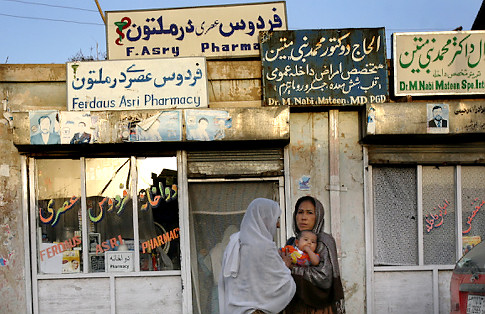
New York Times
This New York Times article from the Asia Pacific online edition describes seminars run by Marie Stopes International for Afghan Islamic religious leaders (mullahs) on the topic of family planning, including birth control, birth spacing, and breastfeeding. The birth rate in Afghanistan, as stated here, is the highest in Asia. The sessions with Islamic mullahs are particularly designed to reach them both with presentation of information and through discussion.
Sessions are led by a mullah who is a trainer, using the language of the audience - scripture from the Koran. Mullahs are paid to be present. Koranic versus are included in the slides of computer-generated slide presentations; care is taken to present messages from perspectives that will be more welcomed by the audience. Breastfeeding, for example, is presented as a healthy choice for the mother and infant that avoids feeding the infant contaminated food. It is also presented as an aid in pregnancy spacing, which seen as a health benefit.
Due to the sensitivity of the issue of family planning in an Islamic country at war with a non-Islamic country, presenters and women who distribute birth control door-to-door are assuming the risk of accusations of being foreign spies or missionaries working against Islam. The current thinking of the religious leadership is that increasing the Islamic population is a religious duty, though nothing in the doctrine forbids use of birth control. According to Afghani women who promote birth control, women are seeking it, often in secret, due to an understanding of their personal needs and their family welfare, but men often oppose the use of it. The approval of mullahs is seen as an opportunity to change the mindset of men on birth control to meet the needs of their religious duties and their families regarding family planning.
Global Health Weekly Update, November 23 2009. Image source: Swarup/AP
- Log in to post comments