










































Collaborative HIV/STD Prevention Trial
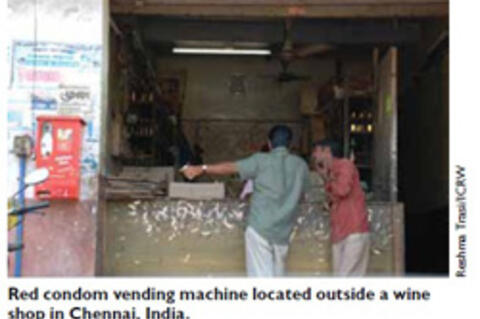
This initiative is research-based. In 2000, two years before the project began, the research team conducted ethnographic research and pilot tests to inform project design, and the implementing team received training. After its launch, the project used the data to hone interventions to reach patrons from 100 Chennai wine shops as well as sex workers from nearby "cruising" venues (locations where sex workers solicit customers). The project recruited and surveyed 3,000 participants - wine shop patrons and sex workers - from 2002 to 2007, including a baseline and two rounds of cross-sectional surveys measuring sexual behaviour and alcohol use.
Y.R.G. CARE's CPOL behaviour change communication (BCC) approach centres around peer educators who communicate their own thoughts and experiences as they promote HIV prevention strategies to others. To build a team of peer educators, the project recruited wine shop patrons known to be trusted and respected by their peers to communicate messages about safer sexual behaviour through informal, yet structured, one-on-one conversations. CPOLs attended 5 weekly training sessions of 90 to 120 minutes each. The sessions focused on how to craft effective HIV/sexually transmitted infection (STI) prevention messages, initiate conversations using these messages, discuss how excessive alcohol consumption affects individual and family health, and help others overcome barriers to safer behaviour. Between sessions, the CPOLs carried out such "homework" assignments as practicing informal conversations with peers using key messages. After the sessions were completed, the CPOL "graduates" received a certificate and a gift voucher for Rs 300 (about US$6), and were asked to invite two friends to attend a later session so they could also become CPOLs. Later, a smaller group of highly motivated CPOLs received training to become trainers themselves.
CPOL's delivered messages during informal conversations. The messages were embedded in "I statements" made by the CPOLs that conveyed a personal endorsement of the value of behaviour change based on the CPOL's own experience. Here is an example: "I used to drink and have sex all the time because I thought drinking increased my sexual stamina. But when I drink, I always forget to use a condom, because everything gets blurry. So now when I drink, I go home and sleep. When I wake up, I can have sex." The project also provided conversation "hooks", such as posters with project logos - a question mark in a circle - in wine shops. CPOLs often wore the logo as a badge to pique curiosity among other patrons and wine shop staff, encourage questions, and initiate conversations. Over time, project staff began to notice that the logo would occasionally appear on the walls of bars and wine shops that were not part of the intervention. Also, team members placed condom boxes in autorickshaw stands (autorickshaw drivers often drive clients to sex workers) and in shops frequented by wine shop patrons.
HIV/AIDS.
This intervention is based on the fact that alcohol consumption may impair judgment and reduce inhibition. Furthermore, drinking is also a social activity, where peer pressure might influence individual behaviour - resulting in taking risks, including sexual risks. A study of wine shop patrons in Chennai showed high rates of risky behaviours occurring simultaneously, including sex with a non-regular partner, multiple sexual partners, consumption of five or more drinks at one sitting, and the use of alcohol before sex (Sivaram et al. 2008). A comparative study of men from the general population and of wine shop patrons showed that the latter had higher rates of HIV and sexually transmitted infections (STIs).
Y.R.G. CARE, the Research Triangle Institute, and Johns Hopkins University, with funding by the U.S. National Institute of Mental Health.
"Alcohol Consumption and HIV Risk: A Peer Education Strategy for Bar Patrons", by Reshma Trasi, October 2010.
- Log in to post comments