










































Darkness Calls
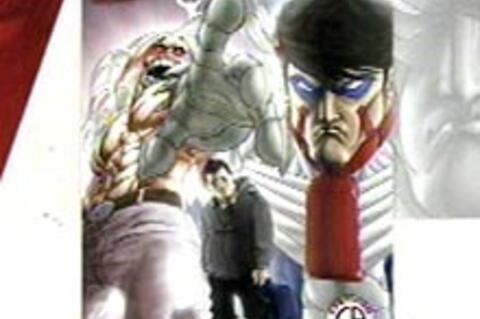
This initiative revolves around an iconic superhero comic book written and illustrated by young First Nation comic book artist Steve Sanderson. "Darkness Calls", which is loosely based on the author's own experiences, follows the story of Kyle, an overweight, artistic, punk-rock-listening, bullied First Nation kid with alcoholic parents. Similar to Sanderson's cousin at one point in his teenage years, Kyle loses hope and expresses a desire to kill himself. With the help of an Elder who is related to Kyle, he combats the evil urges threatening to destroy him by engaging in a symbolic battle for his soul between the shapeshifting "trickster" warrior hero Wesakechak, who teaches people lessons in Cree legends, and another reimagined character of Cree mythology: the evil, cannibal spirit Weetigo. (What the author intends to be strong images and stark, yet powerful, drawings are used to convey the intense nature of this struggle). By travelling through this story, Kyle realises that he has the strength and will to live - despite Weetigo's efforts to lure him into taking his own life. Sanderson stresses that "it's not actually Wesakechak the superhero that defeats the villain Weetigo. In the end, it's Kyle. He has to stand up and have the power within himself to decide not to let this demon take his spirit." Kyle learns that he can share this healing spirit with other youth by using his creative means of communication and connection: his ability to draw.
Sanderson has created what he intends to be a culturally relevant story, one that resonates particularly with First Nations youth. The motivation for, the process of creating, and the nature of the comic emerges from the author's Cree heritage. He says, "I tell a story. And that’s quite traditional. First Nations people don't have a written language....I'm a writer, but I am a visual writer." According to one Cree heritage website, storytelling is used in this culture to entertain listeners of all ages, to instruct the young, and to preserve the history, rituals, and beliefs of their Nation. Also, statistics show an Aboriginal suicide rate 2 to 3 times higher than the non-Aboriginal rate for Canada; within the youth age group the Aboriginal suicide rate is estimated to be 5 to 6 times higher than that of non-Aboriginal youth. The comic was distributed to aboriginal teens as Canada celebrates National Aboriginal Day.
The process of developing the comic and ensuring its relevance was intended to be participatory. It was focus-group tested with youth and health professionals for authentic characters, storyline, and language. Sanderson points out that the focus-testing process was initially centred around a 9-page manuscript. However, researchers found that the focus group members were were more engaged if a different medium was used: the more interactive process of watching a DVD of the storyboard, with Sanderson telling the story verbally. This experiment led HAN to develop the DVD into a colour animated short. To do so, organisers visited a BC First Nation (a reservation) that has a high rate of suicide, where the youth redid the dialogue in their native language. The 18-minute film is done in Gitxsan (from the Hazelton, BC area) for the additional benefit of language retention. Sanderson's colleague Sean Muir says, "The cool thing about the short is that the youth couldn't speak their language previous to starting the project. They learned the words and phrases necessary to speak the dialogue."
Suicide, Youth.
Sanderson explains that, unlike "a pamphlet or a cheesy after-school TV show," he hopes discussion about the comic will be a more palatable platform for aboriginal teens to start talking with adults about suicide. Muir adds that "[y]outh find the comic non-threatening and relatable, so it's a terrific ice breaker to get them talking about how they feel." "Darkness Calls" sold over 65,000 copies in the first 2 years of its publication, and the short film won an honourable mention at the Reelworld Film Festival in Toronto in April 2008.
HAN has released 5 other comics (in printed format, as of January 2010). Three of them are the following: "An Invited Threat" (focused on diabetes prevention), "On the Turn" (focused on gambling addiction), and "Level Up" (focused on staying in school). The latter is about Terry, a kid who is contemplating dropping out of school but who is disuaded by his cousin Dave, a successful game developer who makes the importance of school relatable – by comparing it to character strengths and weaknesses in a video game. In addition, the following are available: "In Path of the Warrior" (focused on gang awareness and the alternative of sports as a support system) and "Just a Story" (on mental illness and mental health support). Pricing for these comics can be found on the HAN website, which will also provide details about additional comics currently in production, such as those focused on living with Fetal Alcohol Spectrum Disorders (FASD), pride in community, and physical activity.
Emails from Sean Muir to The Communication Initiative on February 21 2008, September 2 2008, September 5 2008, and January 18 2010; "Revamped Cree Legend Fights Teen Suicide in New Comic", June 21 2006, Canadian Broadcasting Corporation (CBC); "'Darkness Calls' Comic Brings Cree Legends to Life to Help Youth Battle Death: Native Comic Book Sheds Light on Youth Suicide", by Kristin Kozuback, RedWAY BC News, Vol. 3, Issue 12, August 1 2006; and "Doing Nothing Gives It Power - An interview with 'Darkness Calls' Creators Steve Sanderson and Sean Muir", by Ben Tanzer, Punk Planet, January 13 2007.
- Log in to post comments