










































Digital and Social Media for Social and Behaviour Change Communication
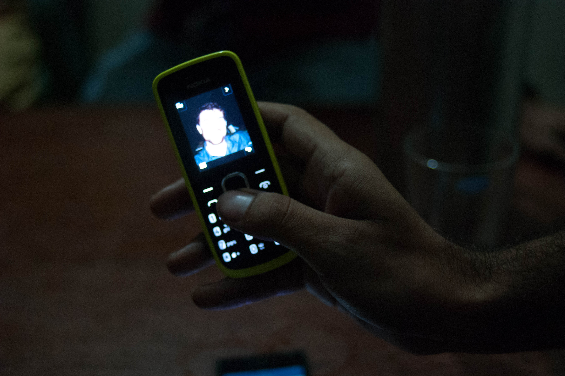
Produced by iMedia Associates for the Bill and Melinda Gates Foundation, this paper explores the ways in which current and emerging digital and social media channels can be used to drive behaviour change in young men and women from lower socioeconomic groups around the world. Author Linda Raftree examined peer-reviewed literature, grey literature, non-governmental organisation (NGO) research and evaluation reports, industry framework and guidance documents, and articles and blog posts in order: to explore relevant social and behaviour change communication (SBCC) theories, models, frameworks, and approaches; to uncover learning from current and past digital SBCC initiatives; to identify good practice and common pitfalls in digital SBCC design; to lay out good practices for digital safeguarding; and to provide a few examples of how monitoring and evaluation and learning (MEL) can be designed for SBCC initiatives.
A 2018 Pew Research Center study shows a rise in the number of people who use the internet, a smart phone, or social media in emerging economies/developing economies. Education-entertainment programming is one example of an SBCC approach that can capitalise on multi-modal, transmedia approaches to reaching and engaging with young people. Some entertainment-education examples explored in the paper include: 16 and Pregnant, which may have influenced the rate of teen pregnancies in the United States (US); East Los High, which was successful at reaching American Latina/o youth with sexual and reproductive health messages; the Voices for Change programme, which aimed to change social norms around gender in Nigeria; and SKAM, a Norwegian programme dealing with teen girls' day-to-day challenges, which became popular among global teens.
Several studies have found that teens and youth are open to text messages for health promotion, and they find them appealing and culturally acceptable. Benefits of digital and social media for SBCC include: increased interaction with others; more available, shared, and tailored information; increased accessibility and widening access to health information; peer/social/emotional support; public health surveillance; and potential to influence health policy.
A number of good practices are highlighted in published literature and in documentation from practitioners and organisations, including:
- Engage people on multiple levels. Reminders can be successful for simpler behaviours, and there is varied evidence on whether virtual behaviour change efforts are equally as successful as offline ones, or if blended approaches that combine online and offline approaches work best and when.
- Ground efforts in theory. Some approaches with relevance for digital SBCC that are examined in the paper:
- Trans-theoretical (Stages of Change) Model
- Social Cognitive Theory
- Behavioural Economics and Nudge Theory
- Mental Models
- Ecological Models of Behaviour Change
- Social Norm Theories
- Narrative Persuasion Theories
- Diffusion of Innovation Theory
- Understand the intended population and the social context. Programmes should address wider economic and cultural barriers to behaviour change.
- Understand and design for user habits, preferences, and interests. This includes the devices, channels, media sources, influencers, data packages, network strength, and other elements that are related to whether and how people access and use digital devices, services, and platforms.
- Watch out for cost and data limitations. Low-income users tend to have frugal access habits; design accordingly.
- Carefully think about literacy and language. For instance, language can be a politicising factor, and language choices should be made carefully to avoid creating conflict or exclusion.
- Determine the right frequency of messaging or engagement. Text messaging (SMS)-based reminders will not be effective if they are seen as "nagging".
- Build trust and find the right voice and messenger(s).
- Ensure capacity to respond to demand generated. Reliable, trustworthy, vetted online and offline support systems and services should be in place to which users can be signposted.
- Budget for moderation of content and comments to stem false or misleading information from spreading on social channels.
- Don't be fooled by vanity metrics. Page views, clicks, or likes say little about the quality of engagement or the wider impact on behaviour change.
Raftree stresses that, although increasingly more young people in low-income settings have access to mobile phones and can thus be reached by such programming, theirs is not an experience of "always on, always connected". In addition, girls have safety concerns related to mobile use, and so do their parents. (For some, just looking at information online, such as facts on contraception, can put them at risk.) Users are largely unaware of data privacy and confidentiality, data security, and the dangers of disclosing personal health information online or over via insecure means such as text message. Privacy is particularly challenging in environments where mobiles are shared or borrowed. She indicates multiple safeguarding areas to consider when engaging adolescents in digital initiatives, including:
- engaging in big-picture ethical and risk review (is embarking on this effort ethical?);
- safeguarding informed consent, privacy, and security of data collected during formative or ongoing research activities;
- building privacy and data security into platform, product, or outreach design;
- ensuring that the benefits of collecting personal or sensitive data outweigh the privacy risks;
- following applicable country and global legal frameworks related to data privacy and transmission across borders;
- protecting and securing data collected or generated throughout the engagement process;
- clarifying how and where data flows and reviewing how partners will manage data privately and securely; and
- considering aspects of the online experience itself, such as safe and appropriate content, comments and moderation, and protection from online abuse, bullying, harassment, hate speech, violence, scams, or grooming.
To build the evidence base on digital SBCC, Raftree recommends that future studies adopt rigorous designs and endpoints. She points to creative approaches to MEL of digital SBCC found in the following programmes: 16 and Pregnant, East Los High, Voices for Change, (all cited above), as well as Springster (a mobile-first global platform that digitally connects marginalised and vulnerable girls) and and HNI's 3-2-1 (which offered mobile phone users in Madagascar access to information topics such as gender and gender-based violence). As Raftree details, some digital tools and emerging methods, including interactive voice response (IVR), internet messaging platforms, and big data, can enable interactive, engaging, and/or innovative evaluation processes.
In addition, per Raftree, there is a need to design monitoring, evaluation, research and learning (MERL) approaches that take advantage of transmedia touch points where participant opinions and other data can be collected and used to inform and shape the course of ongoing activities. She concludes that this paper has aimed to stimulate ideas on how to address challenges like this one "so that digital SBCC initiatives can be implemented and evaluated more effectively and with greater impact".
MERL Tech website, November 6 2019; and email from Nicola Harford to The Communication Initiative on November 7 2019. Image credit: Emrys Schoemaker
- Log in to post comments