










































Exploring the Role of Communication in Community Health
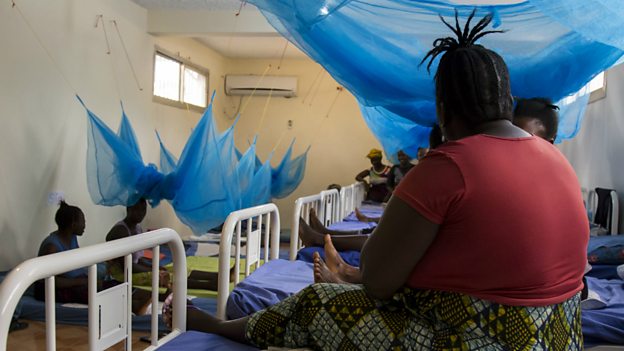
"To understand more about the role media and communication can play in Sierra Leone, and the ways it can support efforts to rebuild the health system, BBC Media Action carried out a programme of research in Sierra Leone in late 2015."
From BBC Media Action, this research summary analyses data from a national survey and from a qualitative study in four communities to look at the potential role that communication could play in community health in Sierra Leone. Due in part to a loss of the lives of healthcare workers during the 2014-15 Ebola epidemic in the region, media and communication for providing "reliable and actionable health information" could be increasingly used, according to this research. "This report presents the insights gained about people's access to health information, decision-making processes, and communication networks", including the power of two-way communication and participants' health-seeking and information-seeking behaviour. The qualitative study was primarily focused in rural areas and used focus group discussions (FGDs) and in-depth interviews (IDIs). "The report shows there is strong interest from Sierra Leoneans in receiving more health information, but that many people tend to be passive recipients of this information rather than actively seeking it out - unless they face an emergency or particular health crisis."
The implications for mass communication include:
- "Radio and mobile phones are the media platforms that can reach the most people....
- People are accessing health information...in the previous three months - 93% receiving information about Ebola and 43% receiving information about pneumonia. Media access - in particular for radio (81%) and mobile (83%)....
- There is a strong interest in health information in Sierra Leone....People are interested in receiving information on a range of health issues. [For example, 29% mentioned that they wanted information on malaria and typhoid.]
- People act upon information that enables them to address symptoms quickly at home, is cheap to access and both cheap and easy to implement...."
Reasons that people do not seek medical help (providers or information) include: distance to the provider, costs, preference for traditional healers, previous experience with informal healthcare, prioritisation of children's health over parent health, and perception that problem is not life threatening.
Key findings include:
- "Face-to-face communication is most trusted....
- Community health workers (CHWs) have the potential to reach people with face-to-face information....
- Mobile technology can help to reach people rapidly and frequently. [83% of the population has access]....”
Using these findings, the document suggests as ways forward: more in-depth information and training for CHWs; media building trust for nurses and doctors; communication used to bring informal providers on board; combination of face-to-face and mass media, especially mobile phones and radio; information delivery via basic phones using voice-based technology; bottom-up communication to facilitate positive behaviour change; and actionable health information for communities and individuals.
BBC Media Action website, April 20 2016.