










































GOLD Peer Education Development Agency
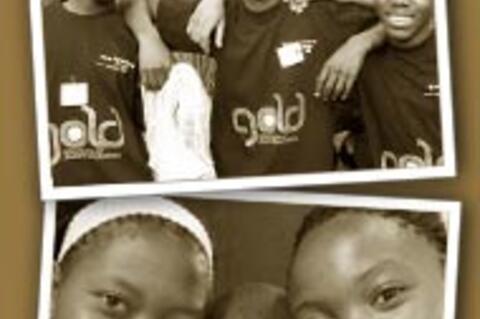
According to the organisation, the GOLD Peer Education Model is a process whereby skilled facilitators assist a group of young people to:
- role-model health-enhancing behaviour;
- educate peers in a structured manner;
- recognise peers in need of help and refer them for assistance; and
- uplift their communities through: advocating for resources and services for themselves and their peers; carrying out acts of service; and raising awareness of important issues affecting youth.
Skilled peer education facilitators, working with organisations that equip adolescent leaders (especially high school level opinion leaders) to influence their peers and younger children, implement the GOLD Peer Education Model. The model is implemented within a cluster of 2-5 schools within one geographical area through participatory processes, which include:
- researching and developing best practice peer education methods and resources;
- building the capacity building of implementing organisations through training, mentorship, and programme support; and
- assuring high-quality implementation through assessment, monitoring, and verification.
Peer educator outputs include:
- carrying out and documenting strategic conversations with peers in which negative lifestyle choices are challenged, information is passed on, and referrals to community services are made;
- facilitating lessons and workshops for peers and younger children on topics such as HIV prevention, voluntary counselling and testing (VCT), abstinence, living positively as a teenager, healthy relationships, vision and goal setting, and access to clinic services; and
- running community advocacy and community upliftment projects and volunteering in their communities.
The organisation develops regional GOLD programmes and facilitates its multiplication and implementation within selected communities in the region. It collaborates with community organisations to implement and monitor the education programme within these selected communities.
HIV/AIDS, Youth.
GOLD collaborates with 22 CBOs in South Africa and Botswana who are collectively working in 164 high schools. It focuses on collaborating with organisations working in communities with: a high number of orphans and vulnerable children; high incidence of HIV/AIDS amongst adolescents; and high prevalence of youth risk behaviours. According to the organisation, the programme was created to respond to the fact that youth are struggling to find "purpose and identity in communities ravaged by severe health, social and economic problems. They are at risk not only of being left parentless and without role models, but also of becoming infected with HIV. Studies show that without a radical and sustainable preventive strategy, HIV infection for the 15 million South Africans under the age of 15 could reach 50%."
Hope HIV Leadership Foundation.
GOLD website on May 7 2007 and August 29 2008.