










































HIV Interventions to Reduce HIV/AIDS Stigma: A Systematic Review
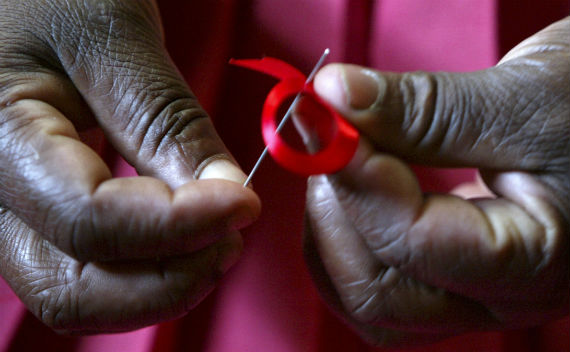
"This systematic review revisits the question on the availability of effective interventions to reduce HIV/AIDS stigma given that HIV/AIDS stigma results in negative health outcomes in both industrialized and developing contexts."
This literature review, published in AIDS and Behavior, Volume 15, Number 6, 1075-1087, was done to determine the effectiveness of HIV-related interventions in reducing HIV/AIDS stigma. Studies were selected which had randomised controlled trial (RCT), pre– and post-test with a non-randomised control group, or pre– and post-test one group study designs in which HIV-related interventions were being evaluated.
The research "revisits the question on the availability of effective interventions to reduce HIV/AIDS stigma given that HIV/AIDS stigma results in negative health outcomes in both industrialized and developing contexts. Of the 19 studies reviewed, 14 demonstrated effectiveness in reducing HIV/AIDS stigma." The studies were also rated for validity [See Table 3 of the study]. The researched examined degree of selection bias in randomisation, degree of confounding bias based on use of Intention to Treat (ITT) analysis, degree of measurement bias based on use of a validated HIV/AIDS stigma measurement, and demonstration of appropriate statistical testing. Three RCTs were considered of higher quality and were recommended to be replicated in similar and other cultural contexts.
As reported here: "Designing stigma reduction interventions should include formative research to understand the issues of HIV/AIDS stigma affecting a particular target population, and using the formative data to develop intervention components that target the issues of HIV/AIDS stigma identified. Second, when considering which instrument to use to measure changes in HIV/AIDS stigma, it is important to choose an instrument that has undergone internal validation (e.g., psychometric analysis), and possibly external validation of its items; these instruments will more likely be measuring more than one concept (i.e., perceived, enacted, internalized, or compounded stigma). Third, researchers should consider using RCT study designs, if possible, to conduct their intervention trials, paying attention to issues pertaining to internal validity. Lastly, even with a well-designed intervention that demonstrates a reduction in HIV/AIDS stigma, we currently know very little about how or if the change in stigma reduction affects associated health outcomes, such as increasing HIV testing, increasing access to HIV treatment/ care, improving policy support for PLWHA, improving mental health outcomes and social support, and/or reducing HIV-related symptoms."
AIDSTAR-One | HIV Prevention Update of August 2011.
Image: Mapping Pathways website