










































How to Report from Visits and Field Trips
Image
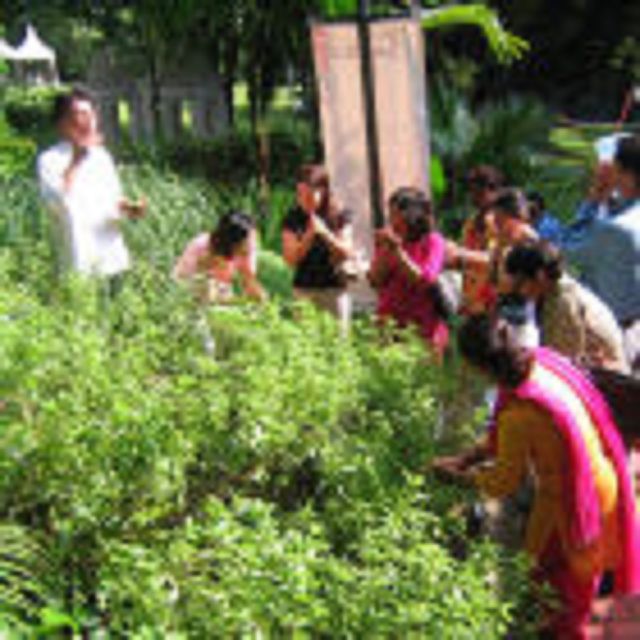
SummaryText
"Field trips are a crucial - and exciting - aspect of science journalism....Such visits can be invaluable, not only to gather stories and multimedia material, but also to expand your network of expert contacts, get a feel for what influences scientists behind the scenes and increase your general scientific knowledge."
Tan Shiow Chin is a Malaysian health journalist with years of experience going out on field trips - whether to local hospitals, international research centres, or rural communities. Here, she shares tips for getting the best out of visits to scientists in their natural habitats.
Topics include:
- Covering the costs - example tip: "[Y]ou may be offered a paid-for field trip to visit research institutions or companies. Discuss with your editor whether it is ethical to accept such a trip..."
- Setting the agenda - example tip: "Having your story idea and background information will guide your information-gathering. And remember that whoever arranged the trip, one of the most useful things you can prepare is an initial list of questions, and ideas for photographs and/or videos."
- Preparing your gear - example tip: "Obviously you need notebooks, pens and/or pencils (remember, pens can run dry, but pencils write under any conditions)....Even print and online journalists should take a camera, if possible with a video function."
- On the day - example tip: "Look around the office or laboratory, and note down any distinctive or interesting touches (inspirational quotes, funny posters or artwork, or even extreme tidiness or messiness). Good observation gives your story more colour than straightforward conveying of scientific fact."
- Staying measured - and alert - example tip: "Being observant is crucial here. While you're on the lookout for colourful details and new avenues, remember that everyone always wants to show their best side to the media, but it might not always be accurate."
- Back home - example tip: "[I]t's a good idea to follow up with an email to any researchers who were particularly helpful during your visit - they may well turn out to be useful future contacts. And share the information you have gathered with your colleagues."
Publication Date
Source
SciDev.net, November 9 2012. Image credit: Tan Shiow Chin
- Log in to post comments