










































The Human Faces of Corruption
In this article from Governance Matters, the World Bank's blog site on governance and anti-corruption, blogger Edouard Al-Dahdah describes being in Yemen to lay the groundwork for a national diagnostics survey of governance and anti-corruption in the health sector, focusing on bribery and informal payments. He recounts a personal investigation of a health centre in the outer suburbs of San'aa, Yemen’s capital, and how a number of factors he encountered explain and exemplify, through "anecdotic evidence", the need to address the incentives of primary healthcare staff and increase oversight.
The author made an unannounced visit to a suburban government-financed primary health centre and found it closed - he needed to use a cellphone loaned by a neighbouring merchant to call the health official who ran the centre. He also ran a taxi service to supplement his government income. In his subsequent taxi ride/interview, he found the official more than happy to describe his financial needs and his ability to take patients in need of treatment to the hospital in the city - via his taxi service. The official had no fear of oversight from the government and could prepare for any donor visits because, he stated, they were always announced. The author placed this evidence of lack of available health service against the high infant mortality rate found in Yemen by the United Nations Children’s Fund (UNICEF).
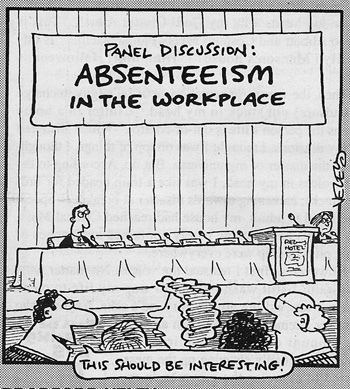
The author recognised that corruption is always assigned to high public officials; while at one's own level, family survival is cited as the reason for behaviours like absenteeism. The results of the visit prompted an adjustment of the focus group questions to be asked in his subsequent and "official" survey visit. Meanwhile, he suggests that the results of his survey, if they reflect what he learned informally, may "alert well-meaning health officials of the need to address the incentives of primary healthcare staff, and increase oversight.” He suggests that they might: “Raise the cost of receiving a government salary while continuing to drive a cab all day. Multiply unannounced visits. Identify and sanction offenders, double-dippers and ghost workers. And make it more attractive to work in a healthcare center than to drive a cab. Reward those who come to work every day by raising their salaries, by promoting them quicker, or by mapping them to locations closer to loved ones."
- Log in to post comments