










































Integrating GBV in WASH toolkit: Lessons from Yemen
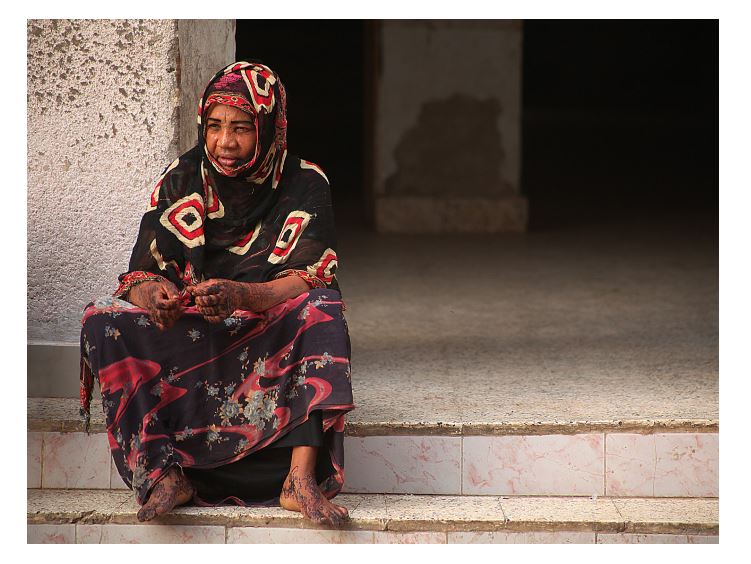
"During 2015 - the first year of piloting the GBV in WASH [water, sanitation and hygiene] initiative - IR [Islamic Relief] developed methods, tools and context-specific approaches to prevent GBV [gender-based violence] in WASH. Hence, it gathered the lessons learnt to develop a practical toolkit which feeds into IR’s Gender Justice Policy."
Islamic Relief Worldwide, with sponsorship from the Swedish International Development Cooperation Agency, Sida, as part of its gender justice work began projects "engaging both men and women on the moral and Islamic legal position prohibiting violence against women. It has also provided legal, social and SGBV (sexual and gender-based violence) counselling in Yemen before the current crisis, as well as running classes and counselling parents on the harm of early marriage." This toolkit, developed around WASH in Yemen, tests methodologies to prevent GBV and aims to enrich the knowledge base on GBV in WASH with theory and guidelines. The toolkit is designed around "dos and don'ts" from field experience and can be a checklist for those assessing WASH project humanitarian action standards.
Especially in conflict situations, "ignoring the needs of women when designing WASH programmes can leave them at greater risk of GBV....Women and children become an easy target when they fetch water or use public toilets..." Due to their role in cooking and cleaning, women need to obtain water; their needs during menstrual cycles and childbirth require water; and the needs of the elderly and disabled must be considered in WASH project work. In the conflict in Yemen in 2016, "[m]ore than 19 million people are suffering a shortage of clean water and sanitation, 9.8 million of whom have lost access to water due to the conflict."
"In 2014 IR Yemen mainstreamed GBV interventions into their WASH programmes." They designed a framework around the project cycle that included International Federation of Red Cross and Red Crescent (IFRC) minimum humanitarian standards (dignity, accessibility, participation, and safety) for gender and diversity. "The project included developing training material to build the capacity of field staff in the area of GBV in WASH. It also worked on sensitising the community to GBV through awareness raising workshops that targeted faith and community leaders."
A baseline study includes secondary data: on access to services, education, literacy, income, livelihood, and health, and exposure to violence, as well as information on national laws and policies regarding women. It includes a stakeholder analysis to identify stakeholders and their relations to cultural, religious, legal., judicial, market, economic, and political and bureaucratic support. Key community and faith leaders should be identified by their ability to influence GBV prevention. A conflict sensitivity analysis can help to understand fragile situations in the communities.
The toolkit suggests: "Where possible consider the intersectional identities of different classes, ethnicities, races, age groups, income levels, abilities, and beliefs," as well as having a GBV policy in place within the organisation and staff with GBV experience. Investing in capacity building of all staff on GBV is recommended. A long time frame is needed but is likely to be impeded by conflict. IR established committees that included key influential figures and identified and gained permission from all groups involved in conflict before implementing activities.
Designing the project begins with consulting field staff and beneficiaries on such things as: Practical Gender Needs (PGNs), such as sanitary products in hygiene kits for women and girls; and Strategic Gender Needs (SGNs), for example, GBV community awareness-raising activities to prevent intimate partner violence to further empower women.
The toolkit suggest: "use the ecological framework for gender-based violence analysis" to understand the relationships between women and their families, community and society as a whole. Staff training and a strategic (2-3 year) plan to mainstream prevention of GBV are recommended, along with trust building in communities
For implementation, a gender balanced staff (50% female) with a clear communication plan "...to ensure the dissemination of information about the project’s aims, objectives, activities and benefits to the community" and an assessment plan, such as "'Stop checks' to monitor the safety and dignity of latrine and water points" and ensure that no money is required of beneficiaries should be in place. Flexibility, responsibility, and beneficiary participation are advised, along with strict neutrality.
The toolkit suggests: "The 'three Ws' – 'Who?' 'What?' 'When?' - should be considered to better assess whether the programmes' and the projects' activities ensure the participation, safety, accountability and access of women, men, boys and girls of all ages and abilities to further address the protection needs in the community, especially in regards to GBV." It is suggested that impact on men and women be monitored separately and that indicators be selected such as percentage of child marriage in the community or domestic violence, in order to monitor change. Also involving the community in selecting indicators helps ensure willingness to use an appropriate complaint mechanism.
Local faith communities (LFC), including all ages and genders, as well as faith leaders, can be involved in GBV prevention, including breaking the silence around GBV with voice and action using self and community reflection. Open discussion on root causes and negative impact can support leaders in recognising how to use their power and privilege to further their support of women and girls, especially survivors and should be guided by their input. Because of the sensitivity of some topics, "facilitators for the GBV awareness-raising sessions were very cautious in using religious arguments and focused instead on health and education issues to indirectly tackle early marriage when starting conversation and dialogue with the FLs..."
Recommendations, directed mainly at IR staff, include the following:
- WASH programmes, though included as development programmes, should be incorporated into emergency programming.
- Working with other NGOs helps identify areas of significant need.
- "A standalone gender project is very hard to implement and will be less acceptable in the community..." so mainstreaming into other programming is recommended.
- "It is advised to build on this [Yemeni] culture [of contributing to the financing of local water facilities] by cooperating with local individuals and enhancing the quality of water facilities provided."
- A customised approach approach for data collection in each area of the country is needed.
- Field office staff need more resources and time to develop of the skills and knowledge on GBV and mainstreaming gender practices.
- Phases include: gender awareness and training and then support and action. Long-term actoin could include response programmes for survivors and livelihood training for them.
- Monitoring and evaluation helps follow up with key leaders to ensure tha they are raising awareness.
- Flexibility and long time frames are crucial in conflict areas.
44
Islamic Relief Worldwide website, January 24 2018. Image credit: IRW