










































'It Is Guiding Us to Protect Ourselves': A Qualitative Investigation into Why Young People Engage with a Mass-Media HIV Education Campaign
London School of Hygiene & Tropical Medicine (Baker, Mulwa, Sarrassat, Cousens, Birdthistle); Epicentre Health Research (Khanyile, Cawood)
"Complex, relatable, non-judgemental and youth-centred storylines can make HIV edutainment engaging to youth audiences."
Decades of heavy investment in communication campaigns to combat early misinformation and HIV-related stigma in South Africa, the country with the largest population of people living with HIV (UNAIDS, 2020), have resulted in messaging fatigue among young people. In this context, mass-media-based "edutainment" initiatives such as MTV Shuga have become an important component of HIV and AIDS awareness efforts. This study explores how and why young people engage with MTV Shuga, which was launched by the Staying Alive Foundation in 2009, to understand what makes HIV edutainment effective.
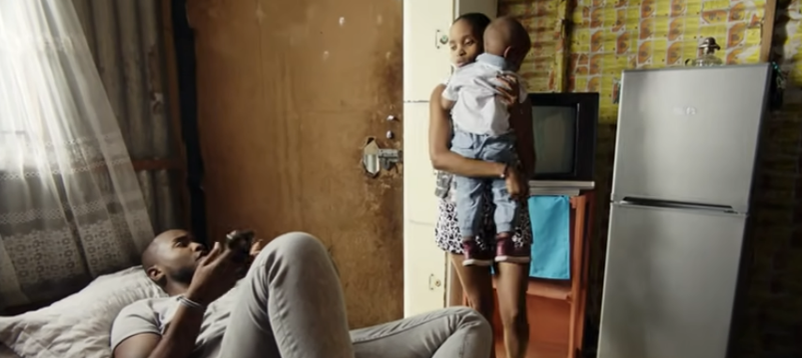
As explained here, TV and radio edutainment dramas use observation, social learning, and modelling - elements of social learning theory - and parasocial interaction to create relationships between characters and audiences. Through these bonds, audiences identify with the characters and their experiences, making them more likely to adopt the socially desirable behaviours they observe in the drama. In that vein, MTV Shuga Down South, series 2 (DS2) follows the storylines of young people from the fictitious township Zenzele in Johannesburg as they navigate the challenges many young people face in South Africa. (For further details, see Related Summaries, below.)
In October 2020, young people aged 15-24 who reported having watched DS2 participated remotely in 31 individual interviews and 6 age- and gender-specific focus groups; 15 parents participated in individual interviews. Trained bilingual data collectors under 30 years old conducted the interviews using topic guides designed using The Behaviour Change Wheel, a framework for characterising behaviour change interventions.
The study found that the immersive nature of the 10-episode TV drama was an important factor that engaged young people with MTV Shuga. Young people related to the show's complex stories about young people navigating HIV and relationships, which were portrayed in a non-judgmental way. These stories also made viewers aware of sexual health services and inspired them to reflect on how they might engage with different sexual health scenarios. (Participants particularly enjoyed HIV messaging that allowed space for uncertainty and ambivalence in sexual health decision-making.) MTV Shuga storylines placed youth at the centre of problem-solving, which might involve learning from others' mistakes (e.g., closed-minded parents). As reported here, local music, language, and famous actors are other integral elements of the series that allow the audience to identify with the storylines and lead them to trust the messages in the series.
Furthermore, MTV Shuga sparked conversations among peers, partners, and some families about HIV that made them feel supported and equipped to tackle problems in their own lives. The approach is to allow space for reflection and to inspire discussion and debate. One viewer who participated in the study explained that she and her cousin would "discuss how we could have solved the particular problem that one character dealt with if it was me". Young participants even said they felt safer disclosing their HIV status and other personal sexual health information to their peers after watching MTV Shuga together.
After seeing clips of MTV Shuga in the interviews, almost all the parents who were interviewed said they would be open to watching the show with their children. They felt it was their responsibility to educate their children about sex, despite acknowledging that these conversations are often difficult and awkward. However, relatively few young participants were willing to watch the show with their parents because they feared judgment and lectures. Young people do not want sexual content to be made "parent appropriate" and instead would like to consume the content away from parents. HIV edutainment should therefore be available through different mediums (e.g., outside the home) so young people can engage with the content in safe, tolerant environments.
In short, this study found that "MTV Shuga's edutainment approach avoided HIV fatigue and created dialogue among peers and partners about sexual health that made young people feel supported and prepared for their sexual health choices." The researchers suggest that incorporating the components identified by this study's participants as engaging into future edutainment campaigns "can turn youth audiences from the passive recipients of HIV messaging to active decision-makers who are inspired and confident to engage in debate and discussion with peers and partners about HIV related topics."
Culture, Health & Sexuality, DOI: 10.1080/13691058.2022.2100483 - sent from Venetia Baker to The Communication Initiative on August 15 2022; and MTV Shuga website, August 15 2022. Image credit: MTV DS2 via YouTube
- Log in to post comments