










































Join up, Scale up: How Integration Can Defeat Disease and Poverty
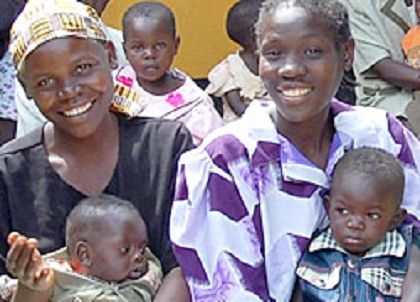
This report highlights examples across 17 countries of how the strategy of bringing different development approaches together - "integration" - is working to help address issues such as education, urban agriculture, hygiene, water and sanitation, income improvement, and a range of health needs, such as HIV/AIDS, diarrhoea, nutrition, and maternal health. Based on evidence of impact presented here, the report calls on the international community, including donor and developing-country governments, to prioritise and invest in these joined-up programmes. The report is co-authored by a group of 6 aid agencies: Action Against Hunger, Action for Global Health (United Kingdom (UK) and France), End Water Poverty, PATH, Tearfund, and WaterAid.
The report presents several examples of integrated aid programmes and their impact. For instance, a handwashing and oral hygiene programme in elementary schools in the Philippines - involving the Department for Education, the not-for-profit organisation Fit for School, and regional and local government - cut school absenteeism by 30%, while the number of underweight children was reduced by one-fifth in the participating schools. Also highlighted is work taking place in Peru, where chronic child undernutrition was cut across the country by nearly 5% in under 3 years by bringing together community groups and politicians in a programme integrating small-scale financing, water and sanitation improvements, better child and maternal health care, and nutrition education programmes. Furthermore, in Nepal, through working together, the national government, aid agencies, charities, and the local government have completed a programme to train local doctors and nurses on hygiene education. This work is now going a step further with the setting up of a new nationwide water-quality surveillance system, dealing with the causes as well as the symptoms of the problem.
A key point to emerge from these case studies: "Successful models of integration are responsive to needs at the community and country level and include strong leadership from the responsible government agencies." Specific recommendations for policymakers include:
- "Community participation is essential for the design of integrated programmes that respond to lived realities, and thus increase programme uptake and sustainable impact - Engage communities in assessing needs and priorities, and in designing, implementing and evaluating integrated approaches."
- "High-level political leadership enables better focus on needs and resource mobilisation - Ensure political support at the highest levels for integrated responses to identified needs; [and] Sustain political support by creating a mechanism that will promote and help facilitate coordination and communication among different sectors and ministries; delegate and be specific about the roles and responsibilities of each agency or ministry."
- "Integrated, cross-sector approaches more closely reflect and respond to the determinants of poverty and disease - Include cross-sectoral indicators in evaluation frameworks for tracking within sector plans - such as health, water, sanitation and hygiene and nutrition; [and] Encourage and formalise coordination with other relevant ministries and ensure these ministries, as well as relevant civil society organisations; make joint decisions across sectors."
- "High-quality integrated programmes can prove cost-effective for donors and secure efficiencies for policy-makers."
- "Funding integrated approaches at community level demonstrates what works and generates learnings to inform national plans and scale-up strategies."
"Integration Delivers Better Results for World's Poorest", WaterAid, September 14 2011. Image credit: Credit: PATH/Janie Hayes
- Log in to post comments