










































Lessons Learned from COVID-19 Vaccine Acceptance among Pregnant and Lactating Women from Two Districts in Kenya to Inform Demand Generation Efforts for Future Maternal RSV Vaccines
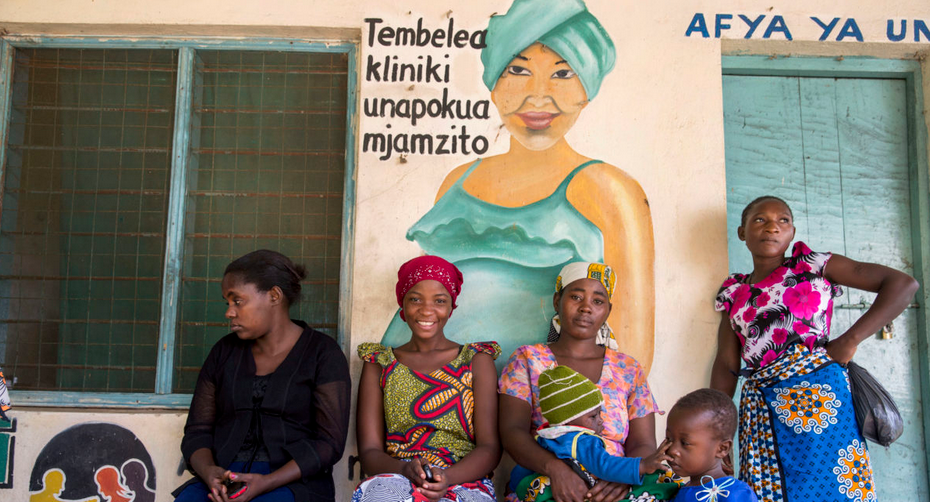
"As healthcare providers are directly involved in vaccine rollout, their perspectives are crucial for successful vaccine acceptance."
Safety concerns due to the novelty of the COVID-19 vaccine led to increased hesitancy. Given that respiratory syncytial virus (RSV) vaccines are also newly developed, similar concerns will likely emerge during rollout in places such as Kenya, where there is a maternal RSV vaccine on the horizon. Adequate communication and timely information dissemination from healthcare providers have been shown as determinants of maternal vaccine acceptance; therefore, preparing providers with information prior to RSV vaccine rollout may be beneficial. To that end, this study involved talking with Kenyan healthcare providers about their experiences with COVID-19 vaccine rollout to pregnant and lactating women to inform rollout of a future RSV maternal vaccine.
The qualitative study interviewed 16 doctors, nurses, midwives, community health workers, and vaccinators from two counties in Kenya, including healthcare providers that serve diverse communities. Data collection occurred in August-September 2022, during which COVID-19 vaccine rollout among the general population and for pregnant and lactating people was ongoing.
Community sensitisation emerged as the most critical lesson learned, including communication, mobilisation, and education:
- Using communication to ensure community awareness of RSV, community awareness of RSV harms and benefits of RSV maternal vaccines, and providing up-to-date, clear information about maternal RSV vaccines emerged as lessons. For example, clarifying whether a new vaccine would "give proper immunity" (i.e., prevent infection of the disease) points to the importance of communication and education about what the vaccine can do to manage expectations. A healthcare provider from Mombasa pointed to the importance of healthcare providers being sensitised first with the most complete information, so they could subsequently recommend a new vaccine to their communities.
- Related to mobilisation, participants identified the need for healthcare providers and community leaders to gain the trust of communities, as well as the importance of routinising the vaccine - e.g., one healthcare provider said: "Pregnant women were able to come for the normal tetanus vaccination. It was simple because it was a normal routine vaccine, and the pregnant women already were given information and the importance of it. That is why they were not reluctant about accepting it."
- For education, participants outlined critical questions patients would have about a maternal RSV vaccine, including those related to vaccine safety concerns, duration of protection, and vaccine dosing.
Based on the findings, and given the sensitivity around maternal vaccines and their safety, the researchers suggest more extensive and concerted efforts to start sensitising communities well before an RSV vaccine is available in Kenya. With any new vaccine, individuals will have questions, so leveraging trusted community voices is critical. "These lessons related to community sensitization should be used to prepare communities for new maternal vaccines to maximize vaccine acceptance."
BMC Pregnancy and Childbirth (2024) 24:221. https://doi.org/10.1186/s12884-024-06425-y. Image credit: Jonathan Torgovnik/Getty Images/Images of Empowerment (CC BY-NC 4.0)