










































Living Situation Affects Adherence to Combination Antiretroviral Therapy in HIV-Infected Adolescents in Rwanda
Kigali University Teaching Hospital (Mutwa, Vyankandondera), Amsterdam Institute for Global Health and Development (AMC-AIGHD) (Mutwa, Asiimwe-Kateera, Kestelyn, Reiss, Geelen, van de Wijgert, Boer), Wayne State University (Van Nuil), University of Liverpool (Van Nuil, van de Wijgert), Projet Rinda Ubuzima (Van Nuil, Kestelyn, Vyankandondera, van de Wijgert), Utrecht University Children’s Hospital/University Medical Centre Utrecht (Sibyl Geelen), Royal Tropical Institute (KIT) (Boer), Treatment and Research on HIV/AIDS Centre (TRAC-plus) (Ruhirimbura, Kanakuze), Belgian Development Agency (Vyankandondera), University of Amsterdam (Pool)
Researchers sought to address the problem of adherence to combination antiretroviral therapy (cART) among HIV-infected adolescents in Rwanda, a demographic group for whom adherence is challenging in spite of its importance for survival and quality of life. The study used multiple data sources of a participatory nature to gain a better understanding of adherence barriers for Rwandan adolescents:
- role-play;
- focus group discussions (FGD); and
- in-depth interviews (IDI).
Forty-two HIV positive youth between the ages of 12 and 21, as well as some of their primary caregivers, were interviewed. Topics discussed during the FGDs and IDIs included:
- learning about HIV status;
- disclosure and stigma;
- issues for care and treatment; and
- cART adherence barriers.
Overarching but inter-related themes appeared to influence adherence among the group, whose participants were 46% female, 45% orphaned, and 48% living in boarding schools: stigma, perceived and experienced; and inadvertent disclosure of HIV status.
Both of these factors hampered adolescents in getting and taking their drugs, attending clinic visits, and carrying their cARTs with them in public.
A second important theme was the need for better support, especially for young people in different living situations, such as orphanages, foster-care, and boarding schools. For young people living in "congested" households including boarding schools, the lack of privacy was the key barrier.
A third theme that emerged was the "desire to be 'normal' and not be recognized as an HIV-infected individual" so as to lead a normal life without the bother of a medicine regimen or disclosure to people who might treat them differently.
Some proposed solutions include:
- better management of HIV-infected adolescents integrated into boarding schools, orphanages, and foster care;
- training of school faculty on how to support students and allow them privacy for taking their medications; and
- HIV programmes that stimulate caregivers of HIV-infected adolescents to join them for clinic visits.
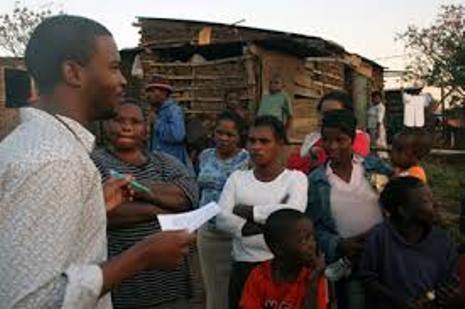
PLOS One website on September 27 2013. Image credit: Wikipedia, caption: "Workshop on HIV/AIDS and Tuberculosis in South Africa."