










































MARA: HIV Prevention, Care and Protection for the Most Vulnerable
The United Nations Children's Fund (UNICEF) Regional Office for the Central, Eastern Europe and the Commonwealth of Independent States (CEECIS)
This presentation on most-at-risk adolescents (MARA) gives an intimate picture, through a personal story of a young person named Sasha, of the barriers faced by individuals in need of services and how building what presenter Nina Ferencic calls Circles of Solidarity might look in a support system for them. This presentation was given at the Regional United Nations Development Group (R/UNDG) Capacity Building Workshop on Programming for Young People in the Arab States/ MENA Region Istanbul, Turkey, December 3-7 2012.
The barriers to programming for MARA include: the fact that they represent a controversial mix of problems: drugs - including the risk of HIV dues to injecting drug use, sex, being minors; a lack of data; stigma, discrimination, and exclusion of MARA who are seen as "undeserving", "lost cases"; parental denial and disengagement; community, social, and religious opposition; legal barriers ; and service-provision barriers.
The barriers to service uptake by MARA include: legal/age barriers (parental consent); identity document requirements; payments; time; location; prejudice towards MARA (registration for service programmes, informing); and distrust of services.
The barriers to service provision for MARA include: service sector legal constraints; service-provider capacity and attitudes; service quality - lack of confidentiality, no outreach; lack of case management, follow up, and referral networks; and civil society reticence to service minors.
The circles of solidarity that supported the author, Sasha, of the personal story depicted here included many agencies that are involved in a social and psychological centre for narcotics assistance to children and adolescents called "Way Home" which works with the children's department of the provincial "Narcological Dispensary". Some these are: the city health department, the city police,; social services for families, children, and youth; a city HIV/AIDS centre; a health clinic for children; city services for children; and international, non-governmental, and religious organisations.
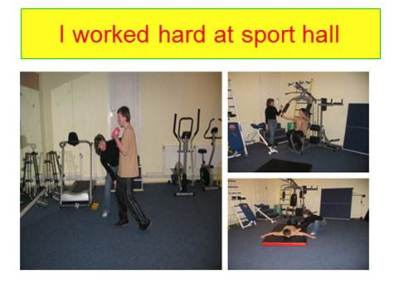
Slides that follow show Sasha's story as prepared by Sasha of living in a basement with other MARA until the Way Home organisation took him to a shelter with services of education, fitness, and lifeskills. Sasha, though he identifies himself as handicapped, nonetheless pictures himself and his wife and baby and recommends that everyone, as quoted above, "find their Way Home". Nina Ferencic recommends the following programming responses for MARA:
- "Revised age-related policies
- Removing document and pay requirements
- Provider capacity building
- Building trust and “low threshold” services
- Better linkages between government youth friendly services and civil society organisations
- Linkages between health, social & CP systems
- Local solutions in accordance to local contexts
- Child rights and human rights driven approaches"
The Regional United Nations Development Group (R/UNDG) Capacity Building Workshop on Programming for Young People in the Arab States/ MENA Region Istanbul, Turkey, December 3-7 2012.
- Log in to post comments