










































Power Within Activity Toolkit for Adolescents and Youth
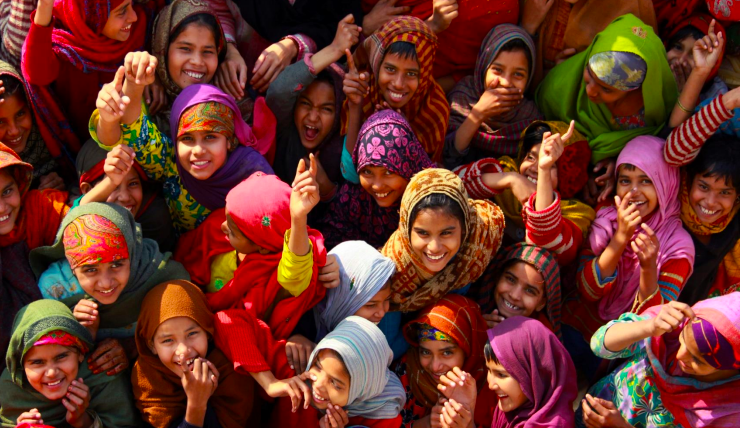
"Self-value, or self-esteem, is the belief in one's inherent worth, regardless of circumstances."
The Power Within activity toolkit is designed to be a resource for designing and implementing programmes for adolescents and young adults. It is based on CARE International's Power Within (PW) model, a competency-based framework to support young people in building essential life skills as they grow from children into young adults. The model includes three competency domains - strong self-image, strong mind, and strong voice - and a fourth, foundational domain of well-being. The toolkit is intended to be used together with the 2024 Power Within Competency Framework for Adolescents and Youth (see Related Summaries, below), which offers a full introduction to the model, including in-depth information about each competency, the theory of change, and how the model relates to other similar approaches.
The activities described in the toolkit are structured according to the three PW competency domains - strong self-image, strong mind, and strong voice - and a fourth,
foundational domain: well-being. For each domain, the toolkit outlines certain competencies that are sequenced and build upon each other and offers a menu of group activities and exercises for developing those competencies. The activities are designed to be borrowed and adapted to the needs of participant groups, the contexts in which they live, and the topical focus of a particular programme. For example, planning activities for adolescents 10-14 years old and planning activities for youth 20-24 years old will require different approaches and activities.
The domains and sequenced competencies are as follows:
Domain 1: Strong Self-image - This domain is primarily concerned with psychological empowerment, relating to a young person's positive self-concept and emotional resilience now and in the future. Adolescents with a strong self-image believe they have value. Their confidence in their worth and abilities provides the foundation for developing aspirations, envisioning possibilities in their futures, and persevering through difficulties. These adolescents are aware that they have a right to independent thoughts and opinions. The three competencies included under this domain are:
- Self-value
- Visioning
- Perseverance
Domain 2: A Strong Mind - This domain relates to cognitive empowerment and capabilities for higher-level thinking. Adolescents with a strong mind are aware of how they fit into their communities and societies, including: the impact of gender barriers and other forms of exclusion; stereotypes based on class, ethnicity, or ability; and power inequities. They know how to make the decisions that are right for them and exercise agency within options defined by their context, expanding those options when safe to do so. They think critically about new information and understand other people's motivations and biases. Activities and tools are provided to build the following competencies:
- Gender and power awareness
- Decision-making
- Critical thinking
Domain 3: Strong Voice - This domain primarily represents relational and social empowerment. The concept of "voice" captures dimensions of visibility, participation, assertiveness, and influence that can extend from individual personal relationships to collective movement building. It is therefore included as a suite of competencies rather than a single competency itself. Adolescents with a strong voice communicate what they need and express their thoughts. Combined with a strong self-image and a strong mind, these adolescents develop healthy patterns of communication with those around them, resolving conflicts respectfully. As they grow, they increasingly participate in shaping their communities, organising peers and adults as needed. Activities and tools are provided to build the following competencies:
- Self-advocacy
- Interpersonal communication
- Organisation
Domain 4: Well-being - This domain is different from the others in that well-being is a foundation and prerequisite of young people's psychological, physical, emotional, cognitive, and functional skills rather than competencies. The well-being domain also differs because it encompasses the enabling environment for healthy, holistic development. Communities, families, and governments have a duty to young people to provide basic needs, services, and protection. Activities here are related to mapping services for adolescents and stress management.
CARE International website on July 23 2024. Image credit: Sankalpa Acharya/CARE