










































Provider Behavior Ecosystem Map
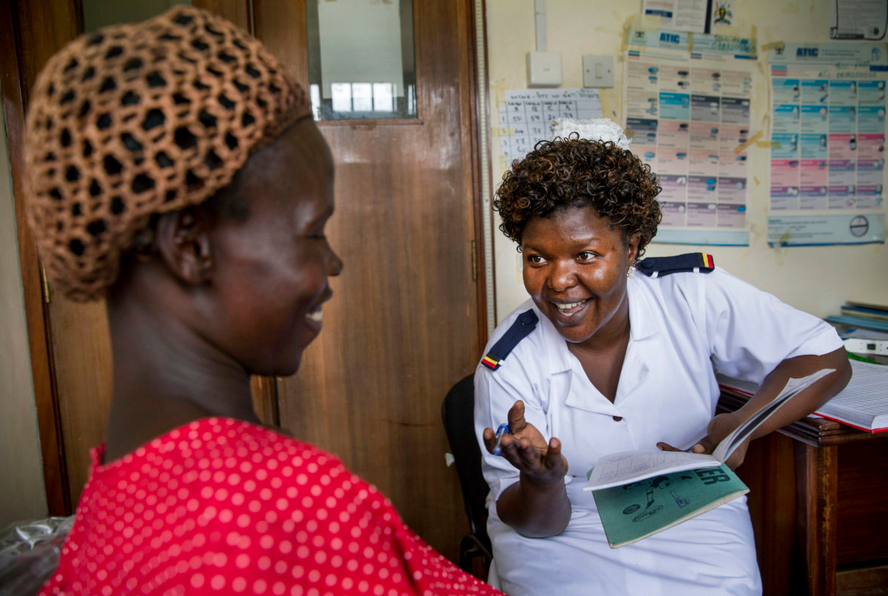
"Health care provider behavior is directly linked to quality of care and can influence client actions and related health outcomes. Thus, it is critical to understand both what influences provider behavior and what can be done to encourage and support positive behaviors."
Like all people, healthcare providers exist within a larger system that directly and indirectly impacts who they are and how they act. The system particular to providers is called the Provider Behavior Ecosystem. This Provider Behavior Ecosystem Map is designed to help social and behaviour change (SBC) and service delivery practitioners, donors, and researchers appreciate the wide-ranging factors that shape health facility-based provider behaviour so they can design and implement more effective, supportive provider behaviour change (PBC) initiatives.
PBC aims to positively shape and influence provider behaviour and can lead to increases/improvements in: job satisfaction for providers, quality of healthcare services, client experiences, trust in and use of healthcare services, adoption or maintenance of desired client behaviours, and behavioural and health outcomes among clients. Examples of PBC include the following: asking clients about their healthcare experiences and preferences, assessing health literacy of clients and tailoring communication and service delivery, screening clients for experiences of violence and providing necessary referrals, providing family planning (FP) counseling that includes information on how to correctly use the chosen FP method, and providing youth-friendly services on modern FP method use.
Using the ecosystem map is a first step in the design - or adjustment - of supportive PBC initiatives. As a thinking tool, the map emphasises the need for systemic thinking and supportive action when designing and implementing PBC programming. The map is organised around the provider at the centre and includes key actors and entities, influence factors, component groupings, and components. The degree to which these elements impact provider behaviour depends on context and requires further information gathering and analysis. An interactive web map and printable components cards are provided to enable users to explore each component and their interrelationships. 
This tool can be used across various stages and settings to deepen understanding of provider behaviour. For example, it can be used in work-planning or design sessions to explore and prioritise behavioural drivers to address. It can be used to advocate for broader support and additional resources for providers. It can prompt dialogue around what behavioural factors to include in monitoring and evaluation plans. Or it may inform formative research priorities and highlight gaps in provider behaviour data.
Editor's note: Click on the video above to learn how to navigate the Provider Behavior Ecosystem Map step by step.
- Log in to post comments