










































1 minute
Tchova Tchova Histórias de Vida (TTHV)
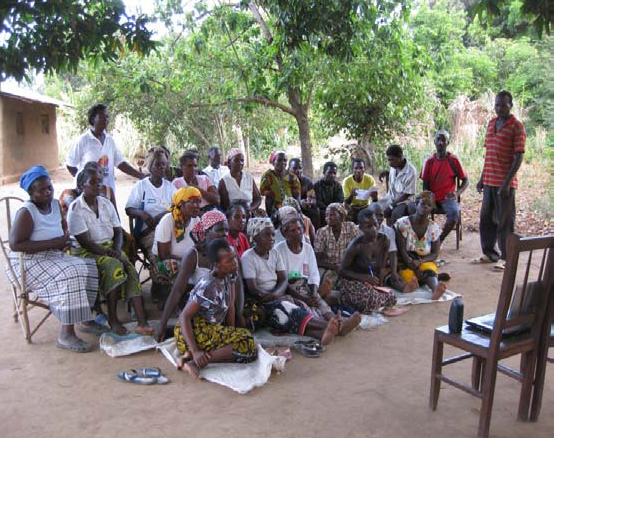
This methodology was designed for the Mozambican context to promote gender equity, HIV/AIDS prevention and treatment adherence, participatory development, and collective action. It was developed as part of a 3-year social and behaviour change communication (SBCC) campaign called Tchova Tchova, Juntos Vamos Mudar (Push, Push, Together We Are Going to Change), which was carried out by the Johns Hopkins Center for Communication Programs (JHUCCP) and partners in order to target one of the main drivers of the HIV/AIDS epidemic - multiple concurrent partnerships (MCP). TTHV applies a transformational approach to facilitate social and behavioral change through a process of community dialogue, in which women and men discuss and explore risk factors and critically examine how social and gender norms operate in their own lives, their families, and communities.
The TTHV toolkit includes 10 video and written profiles of Mozambican "positive deviant" men, women, and couples telling their stories of how they overcame gender, cultural, and social barriers to make positive changes in their lives with a specific focus on HIV treatment and prevention. An 11th session, "Building a cohesive community to solve problems" was created in an effort to develop group action plans to advocate for new social/gender norms and HIV preventive behaviours among community members. In addition to the video profiles, this resource includes a field activities monitoring and supervision guide, success stories, key points, facilitation guide, and written profiles. Also available is an evaluation report describing the process and outcomes of putting TTHV into practice [See the "Related Summaries" section, below, for access.]
JHUCCP website, October 31 2011.