










































Texting Disease Away
BBC World Service
From the broadcast Digital Planet of the BBC World Service, as reported on the BBC News website, this article describes an mHealth project by the United Nations-Vodafone Foundation for tracking disease outbreaks. The initiative, dubbed Alerta DISAMAR and originally developed for the purpose of combating malaria, has allowed doctors to report disease outbreaks and ask for help with treatment; and since it was set up in 2003, it has enabled epidemiologists to track the spread of diseases.
The United States Navy helped establish the product; and a firm called Voxiva developed the technical aspects, under advice from Ernesto Gozzer, a doctor who specialises in public health. Health practitioners may call a toll-free number, enter their personal identification number and password, and then send a report at the system's prompting. Diseases are reported by codes with specific data like patient age, gender, date of onset of symptoms, etc., which are logged in a database and can go to online specialists. It also triggers a short message service [SMS] notification so that even out-of-the-office doctors can receive messages.
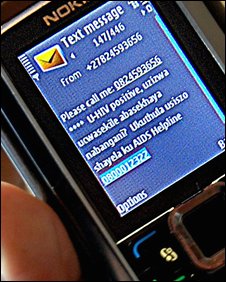
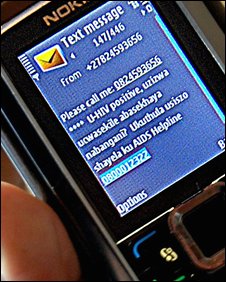
Alerta DISAMAR is among a growing group of mHealth initiatives. The United Nations Foundation / Vodafone Foundation partnership reports over 50 projects worldwide. For example: "[I]n South Africa..., the SIMpill project integrated a sensor-equipped medicine bottle with a SIM [Subscriber Identity Module] card, ensuring that healthcare workers were advised if patients were not taking their tuberculosis medicine. The percentage of people keeping up with their medicine rose from 22% to 90%. Another project called the Masiluleke SMS message campaign, sent millions of free texts to encourage people to be tested for HIV and AIDS, this resulted in a huge rise in numbers visiting health clinics."
mPulse: eNewsletter of the mHealth Alliance June 2009, Volume 1 Issue 2.
- Log in to post comments