










































What Is Public Engagement with Health Research?
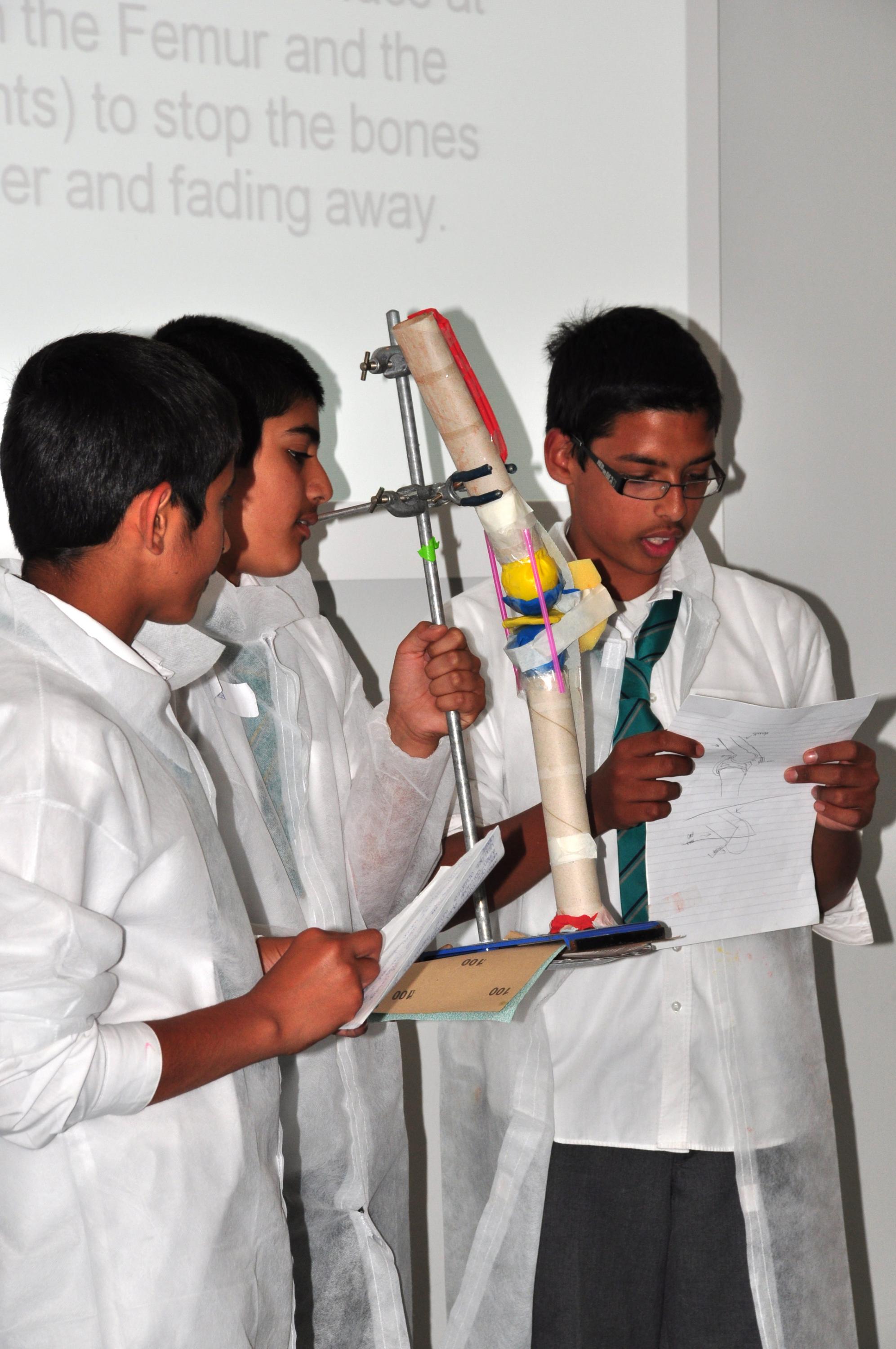
"Without engaging with the social, political and cultural fabric in which research is conducted and its results are to be implemented, health research can easily be seen as an endeavour of outsiders, unaccountable to society, misunderstood and mistrusted."
This article was an introduction to a Health Exchange special issue on the topic of engaging the public with health research. In it, Siân Aggett unpacks the concept of public engagement. She describes it as being driven by "a desire for open dialogue and debate between worlds that might not ordinarily have the channels to understand or speak to one another." From her perspective, "public engagement is not about getting public buy-in for a research programme or technology through lobbying or campaigning, and it is beyond simple health promotion. It is about really starting a two-way interaction between research and the worlds of public or policy." A major motivation for this open dialogue can be to ensure the transparency and accountability of health research and that the ethical principles of informed consent in research involving human subjects and beneficence (ensuring that good is done to participants) are achieved.
The article explores several examples of public engagement. In one project to combat bilharzia (schistosomiasis), a team of researchers and drama practitioners used story and narrative through drama workshops to engage young people in the science behind the parasitic disease and what it is like to live with the illness. According to Aggett, this demonstrates how "experiential learning, catalysed through the artistic process, can encourage not only the assimilation of scientific information, but also a real emotional understanding of the impact of such public health issues at an individual level."
Aggett contends that low- and middle-income countries should have the opportunity to capitalise on the economic benefits of an increasingly global industry just as much as any of the industrialised nations. She observes that low- and middle-income countries also face specific health challenges linked with poverty and inequity - such as those outlined in the Millennium Development Goals (MDGs) - towards which scientific research and innovation might offer insights and solutions. To ensure that health research on these issues delivers what it promises to those most in need, Aggett calls for mechanisms that embrace multiple voices and parties, such as business, universities, government, and civil society, with an emphasis on the inclusion of the voice of the economically poor and marginalised. Engagement activities are a critical component in making this happen. It can play a part in inspiring researchers of the future, fostering a scientifically literate and critical society, and inform research to ensure that it is well-targeted and ethically sound.
Aggett concludes that "[w]e ought to ensure that engagement does not become a token activity that is an add-on to the research process but that it infuses and informs the process of scientific endeavour, that it builds capacity for high-quality research, and that it empowers people and is conducted in the most ethical manner."
Author: Siân Aggett, International Engagement Project Manager, Wellcome Trust
Health Exchange, Issue 7, June 17 2010, and email from Siân Aggett to The Communication Initiative on December 11 2012. Image credit: Wellcome Trust