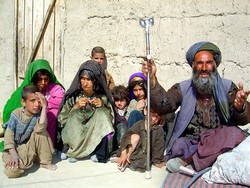
Veil of Tears: Afghans’ Stories of Loss in Childbirth
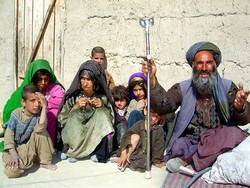
From the United Nations Office for the Coordination of Humanitarian Affairs Integrated Regional Information Networks (UN OCHA-IRIN), "Veil of Tears", a 60-page colour booklet created by IRIN Radio Afghanistan, contains a collection of transcribed personal testimonies of loss in childbirth, including maternal and infant mortality. The material was gathered, originally for radio broadcast, to reflect a number of the barriers to successful pregnancy and delivery facing Afghan women, including the physical demands of providing for a family when pregnant, the problems resulting from maternal opium addiction, the dangers of being unable to time pregnancy spacing to regain health, the lack of trained birth attendants in remote areas, the gender imbalance that prevents women from acting on decisions affecting their health, and the work of religious leaders to influence - positively or negatively - couples' decisions on the reproductive health of women. A film called "Losing Hope", available on the IRIN website, gives visual support to the radio and print versions of the situation of Afghan women's reproductive health.
The stories have been transcribed from radio interviews in the local languages of Dari and Pashto and translated to English. The booklet focuses on the voices of Afghans: women, men, and children. The collection intends to bear testament not only to Afghans’ suffering, but also to the strength of their desire for better health services, education, and infrastructure to be able to improve their lives and the future for their children. The following are some of the topics available to readers through the voices of those interviewed:
- the influence of religious leaders on men's decisionmaking about their wives' thinking on baby-spacing and pregnancy prevention, including an illustration of the effects of the strategy of working on reproductive health issues with the village-level religious leaders of Islam.
- the lack of and desire for midwifery training among villagers and health care workers in rural areas.
- the need to enforce a minimum age for marriage and the consequences of early marriage.
- the challenges of educating people to accept contraception and of protecting reproductive health workers from threats of violence against them.
- the need to include women in healthcare decisions, particularly encouraging family members to help women in labour access help in clinic and hospitals when needed.
"Facts and Figures", as listed at the conclusion of the interviews to confirm the circumstances behind the stories told:
- "One in every eight Afghan women will probably die in childbirth
- A woman in Afghanistan is 225 times more likely to die in pregnancy or childbirth than a woman in the UK [United Kingdom]
- Only 24 percent of births in Afghanistan are assisted by a skilled birth attendant
- Almost a quarter of Afghan children die before they reach the age of five
Most maternal deaths in Afghanistan are preventable:
- Bleeding after delivery accounts for 37 percent of maternal deaths
- Obstructed labour accounts for 25 percent of maternal deaths
- Hypertensive disorders (eclampsia and pre-eclampsia) lead to 10 percent of maternal deaths
Three primary reasons prevent Afghan women from getting the help they need in childbirth:
- Slow decision-making, monopolised by men
- Absence of roads and efficient transport
- Poor service provision in health facilities
Afghanistan has only:
- 12,976 active health workers for a population of 28 million
- 44 registered female doctors
- 2,167 trained midwives (less than half the number needed)
- 26 percent literacy rate (12 percent female, 39 percent male)"
Email from Louise Tunbridge to The Communication Initiative on January 11 2010.