










































Provider-Initiated HIV Testing for Paediatric Inpatients and their Caretakers is Feasible and Acceptable
Makerere University School of Public Health (Wanyenze), Mulago-Mbarara Teaching Hospitals’ Joint AIDS Program (Nawavvu, Ouma, Kamya), Mulago Hospital (Namale), Institute of Tropical Medicine (Colebunders), Makerere University School of Medicine (Kamya)
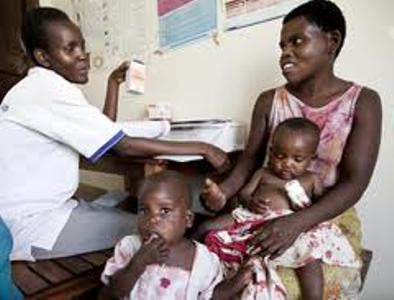
This research article discusses the analysis of routine programme data from Mulago teaching hospital in Uganda from an HIV counselling and testing (HCT) initiative for hospitalised children and caretakers who were tested between February 2005 and February 2008. It describes the initiative, its communication aspects, and the results of testing children who are hospitalised in order to achieve early diagnosis of HIV infection.
Provider initiated HIV testing and counselling (PITC) started with adult wards in 2004 and expanded to paediatric wards in 2005. By end of February 2008, the four paediatric inpatient wards (including three general wards and one nutrition ward) were providing PITC to children and their caretakers. The most common illnesses on the general paediatric wards include malaria, respiratory tract infections, and diarrhoea). PITC was provided by regular hospital personnel, including nurses and doctors. An additional counsellor was hired to support the medical team especially during very busy times (e.g. post-admission). For the majority of the children below 12 years of age, parents/caretakers were counselled and given results. Depending on the level of maturity of the child (usually for children above 6 years), the process of explaining about HIV infection and its diagnosis was initiated. HIV test results were also recorded in the inpatient files for use by the medical team. HIV care for infected children was initiated on the wards. Most HIV-infected children were referred to the paediatric outpatient HIV clinic within Mulago hospital, with orientation to the clinic before discharge, to continue with disclosure counselling and treatment, including anti-retroviral drug treatment (ART). Some children were referred to other clinics based on the preference of their parents. Children of HIV-infected women who tested HIV negative but were still breastfeeding were also referred to the clinics for follow-up and repeat testing to ensure early diagnosis.
Results showed that caretakers agreed to HIV testing for 92.8% of the 9,687 children who were offered HIV testing. Among the caretakers, 89.8% agreed to be tested. At the time of hospitalisation, 41.3% of the caretakers had previously tested for HIV. Although 313 parents (mothers and fathers) reported that they had previously tested HIV positive, only 113 (36.3%) of these had tested their children prior to hospitalisation. Overall HIV prevalence among caretakers was 16.7%. HIV prevalence among children was 12.4%, highest on the nutrition ward (30.8%).
The conclusion states that "HCT for hospitalised children and their caretakers identified a significant number of HIV infected children and caretakers. More than half of the children had advanced HIV disease. More intensive efforts are needed to ensure earlier diagnosis and linkage to care for HIV infected children."
Tropical Medicine & International Health, , Volume 15, Issue 1, pages 113–119, January 2010, accessed on September 21 2011.
- Log in to post comments