










































WHO Strategic Communications Framework for Effective Communications
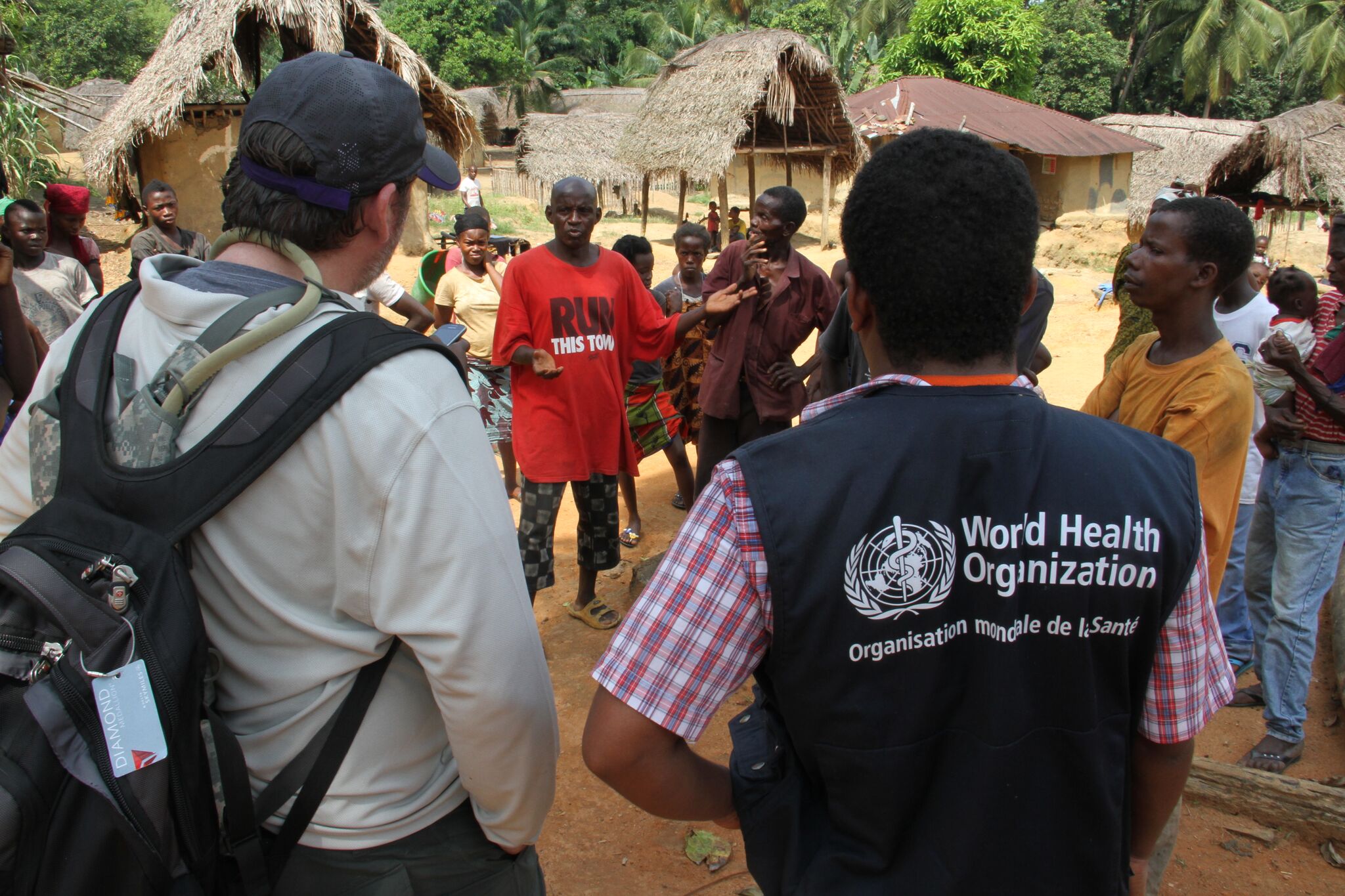
This Framework describes the World Health Organization (WHO)'s strategic approach for effectively communicating WHO information, advice, and guidance in an integrated and coordinated fashion across a broad range of health issues. Although techniques, audiences, and channels for WHO's communications products and activities differ, they all have the same goal: to provide information, advice, and guidance to prompt action that will protect the health of individuals, families, communities, and nations.
To meet that goal, WHO focuses on communicating to and with key audiences who are the health decision makers – those agents who use WHO communications products to make a range of health decisions.
The Framework is not designed to focus on a particular channel, disease, health observance, or geographic area. Instead, effective communications principles and tactics to achieve them can be used by communicators as resources to develop a range of effective and specific regional, disease-focused, or events-based strategies. WHO strives at all times to ensure these principles are at the core of its communication activities and are reflected in the full range of materials and activities. All communications functions practiced at WHO are detailed in a separate section of the Framework.
Six core principles for effective communications ensure that the WHO’s information, guidance, advice and engagement are:
Accessible
WHO's audiences rely on their ability to access the information they need to protect and improve their health. Identifying the most effective channels regarding different audiences, and using the right mix of communication channels, helps empower audiences with the information they need to make informed decisions. Other tactics for making WHO communications accessible are providing information online and ensuring people with disabilities can find and use information they need.
Actionable
WHO communicators work to understand intended audiences' knowledge, attitudes, and behaviours in order to create messages that address barriers and encourage decision-makers to take the recommended steps. A core tactic is to craft such communications that move audiences towards action. Another approach is designing behaviour change campaigns. WHO's information, guidance, advice, and engagements are also actionable when they encourage and enable action during health emergencies.
Credible and trusted
The more decision-makers trust WHO, the more likely they will believe, and act on, the information communicated. WHO communicators work to reinforce WHO's trustworthiness so that its health information and guidance become the basis for decisions. This is done by ensuring technical accuracy, with openness and honesty - WHO being transparent in its work and honest about what it knows, and what it does not know. WHO works with a growing number of organisations, including non-State actors, and hosted partnerships. When WHO and its partners coordinate to present messages with consistent information, people are more likely to trust the information and follow the advice. Consistent messaging, coordination among divisions, and good internal communications are part of any credible communication practice. Promoting the same WHO message from all channels also builds credibility and trust.
Relevant
To be relevant, WHO communications must help audiences see the health information, advice, or guidance as applicable specifically to them, their families, or others they care about. A core tactic is understanding the characteristics of each intended audience to design effective messages and strategies and to create materials that include examples from or references to the audience or other points of identification. Other tactics are: listening to the audience and to stakeholders; tailoring content and messages to meet the needs of the audience; and designing messages that would motivate audiences' readiness to take the appropriate action.
Timely
Across all health issues, WHO makes information, advice, and guidance available in a timely way, so audiences have the information they need when they need it to make appropriate health decisions. Some key tactics involve: making sure WHO's information is available to decision-makers as quickly as possible; timing communications to when decision-makers need to know and take action; and sequencing messages strategically, in order to build the conversation over time.
Understandable
WHO communicates with a wide variety of decision-makers. Many key audiences are not technical experts. They need information that is easy to understand in order to comprehend health risks and take appropriate actions. WHO employs tactics such as: using clear and plain language to explain global health issues and guidance; telling stories with a human dimension to make the issues real to those at risk; incorporating visual components that show and enhance WHO content; and communicating in multiple languages.
Evaluation
The Framework identifies evaluating communications as an important function at all WHO levels and across all activities. This is about assessing WHO messages, products, and engagements based on their effectiveness at reaching specified goals and principles. It is noted that: "Communication efforts should be measured on how well they contribute to health impact, as communications can alter levels of knowledge, influence attitudes, and increase knowledge. However, communication is not sufficient by itself to achieve health outcomes. To achieve its role, communication must be integrated with the larger planning efforts."
This Framework is available in all six WHO official languages: Arabic, Chinese, English, French, Russian, and Spanish.
Questions about the Framework? Send an email to:
Strategic_Comms_Framework@who.int
WHO website, May 4 2017, and email from Albena Arnaudova to The Communication Initiative on May 11 2017.
- Log in to post comments