










































Large-scale Influenza Vaccination Promotion on a Mobile App Platform: A Randomized Controlled Trial
Evidation Health (Lee, Stück, Kontym Foschini); Johns Hopkins University Bloomberg School of Public Health (Rivers); Humana (Brown, Zbikowski)
"Current mobile applications offer a platform for health improvement through the delivery of content, services, and messaging..."
Despite recommendations, influenza vaccination rates remain low in the United States (US). This randomised controlled trial (RCT) examined whether mobile applications (apps) may improve population vaccination rates through large-scale messaging combined with individualised incentives. The idea is that the combination of education, incentives, and increased access may collectively address misconceptions concerning risks, lower barriers, and remind people of the benefits of and opportunities for vaccinations.
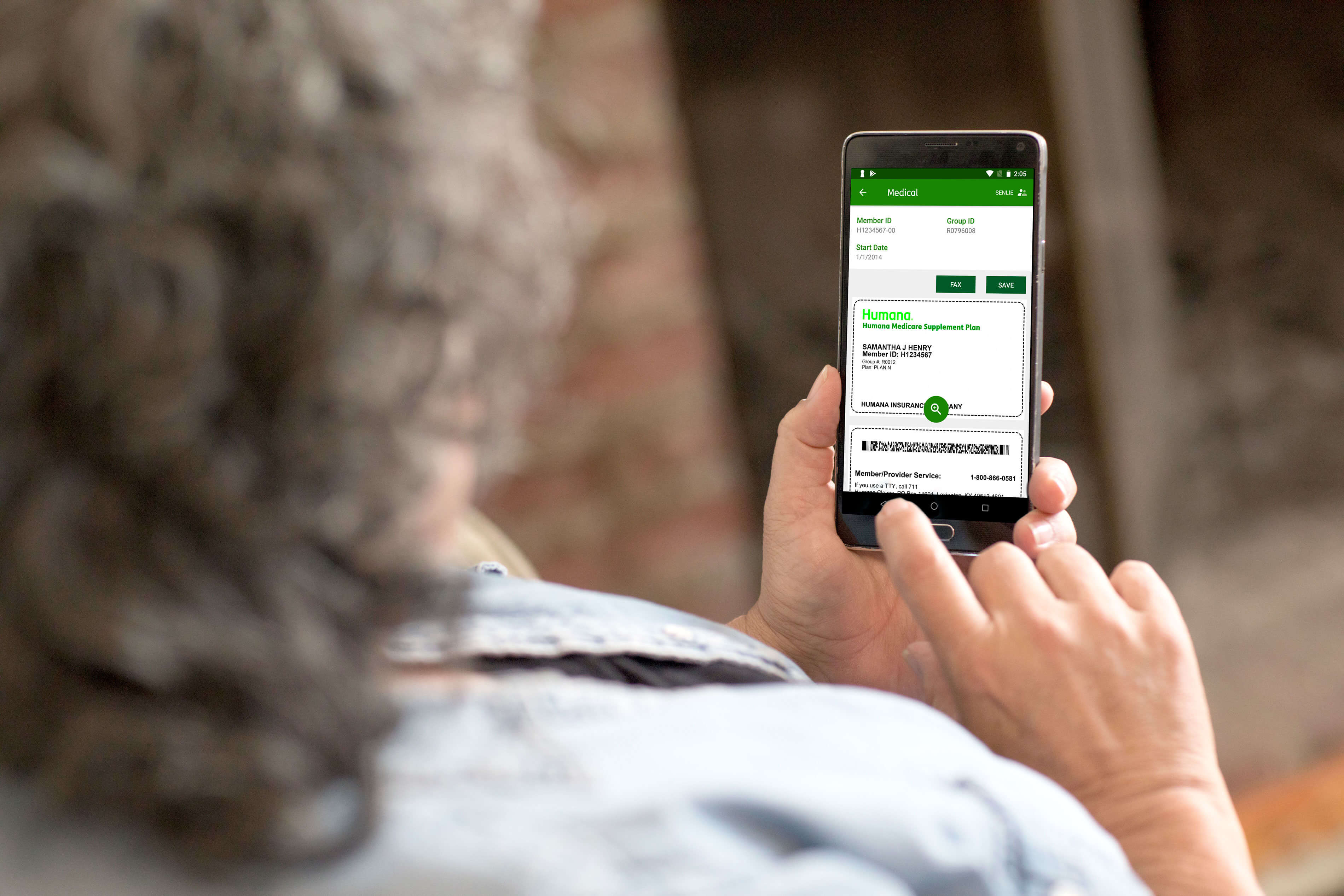
The researchers delivered messages regarding influenza vaccinations to 50,286 adults, aged 18 through 65, then compared the subsequent vaccination rate, the effectiveness of the message content, and the timing. As members of the Humana health plan, all participants were eligible to receive a flu vaccination at no cost. As part of its wellness programme, Humana offers a mobile app that encourages and rewards wellness activities (via points that can be exchanged to purchase items). Users who obtained and recorded an influenza vaccination with the mobile app earned points, regardless of their assigned intervention arms.
Multiple rounds of messaging occurred over a 7-week period during the 2016 flu season, after which vaccination rates were observed for one week. Participants were randomly assigned to one of 3 messaging approaches: conspicuous (highlighting the amount of rewards to be received for obtaining a flu shot); generic (promoting vaccinations with no mention of rewards); or no message (control group). Evidence of vaccination obtainment was indicated by medical and pharmacy claims, augmented by patients self-reporting through the mobile wellness app during the study period.
Of the people assigned to receive messaging, 23.2% obtained influenza vaccination, compared to 22.0% of people who obtained vaccination in the no-messaging control arm. This difference was statistically significant (p < 0.01). The US Centers for Disease Control and Prevention (CDC) estimates that even a 1% increase in influenza vaccination rates could avert 96,600 illnesses, 46,400 medical visits, and 1,390 hospitalisations.
The research revealed that messaging effectiveness decreased after each successive batch sent, suggesting that most participants responsive to messaging would become activated immediately after receiving one alert. There were no significant differences between conspicuous incentives and generic messaging, suggesting a potential area for future research.
Reflecting on the findings, the researchers suggest that consumer mobile technology has the potential to remove barriers outlined in the Theory of Planned Behavior by driving behavioural changes. Mobile technology may be particularly effective for the activation - or "ability to act" - dimension by moving beyond reminder messages and facilitating "nudging".
Given that the development costs of the cloud-based mobile patient portals have already been justified by most insurance companies and healthcare systems, implementing an add-on messaging app and providing targeted reminders would be relatively inexpensive, they say, and the downstream benefits of the increased vaccination rate would likely translate to substantial savings. Furthermore, this approach may have relevance to other population strategies for health behaviours.
Vaccine https://doi.org/10.1016/j.vaccine.2019.11.053. Image credit: Humana