










































Countering Stigmatization in the Humanitarian Response to COVID-19
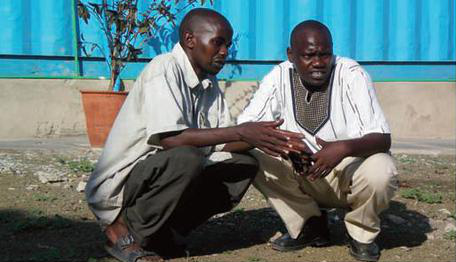
"Governments, humanitarian organizations, and other service providers must place affected people - especially the most marginalized - at the center of COVID-19 response and recovery efforts to counter stigma now and in the future."
As was evident during past Ebola outbreaks and the HIV/AIDS epidemic, societal stigma often takes root and proliferates during health crises. Indeed, humanitarians and other first responders have identified stigma as a key challenge in the global COVID-19 pandemic. Perhaps even more so in this crisis than in earlier ones, harmful rumours, hate speech, and false narratives are propagated rapidly and widely via social media and then reinforced via word of mouth. To address these issues, the Protection Working Group of InterAction, an alliance of non-governmental organisations (NGOs) working in over 100 countries, held a webinar and roundtable event in spring/summer 2020 featuring a panel of experts sharing their collective knowledge and expertise on how stigma is impacting the communities they serve during COVID-19. This report highlights key findings and recommendations from those exchanges.
The conceptualisation of stigma on which InterAction operates encapsulates 4 interacting elements, all of which are relevant in the context of COVID-19. Due to fear of being discriminated against, for example: people have avoided testing for COVID-19 (anticipated stigma); patients and their families have felt judged by others (perceived stigma); household and community members have excluded, isolated, or discriminated against infected or exposed persons (experienced stigma); and some patients have felt shame and self-rejection (internalised stigma). The risks of any or all of these elements of stigma are exacerbated for those belonging to a marginalised community or group, such as older people, persons with disabilities or mental health issues, women and girls, ethnic minorities, or displaced populations. In short, as InterAction outlines in this report through various examples, stigma can disproportionately affect people with intersecting vulnerabilities.
InterAction points out that, while the humanitarian ecosystem has widely recognised the phenomena of stigma, a more comprehensive effort is needed to address different manifestations and consequences of stigma at multiple levels. To that end, the report outlines some of the impacts and consequences of stigma through these lenses:
- Reduced access: Changes in health-seeking behaviour - For example, when people feel stigmatised or ostracised, they are less likely to seek out social services, humanitarian aid, or health care. In addition, access to stigmatised groups has become increasingly difficult due to pandemic-related restrictions.
- Marginalisation: Older people, persons with disabilities, and women - For example, participants in the roundtable shared examples of countries that have instituted harmful regulations targeting older people and people with disabilities under the guise of COVID-19 prevention.
- Isolation: Mental health and psycho-social distress - "In most contexts, the social stigma of mental health problems exists due to a lack of awareness or understanding of the complexities and realities of mental health problems and cultural norms, resulting in isolation, increased vulnerability, and lack of support for people with mental health problems. This stigma has been exacerbated during COVID-19, as more people may need mental health or psycho-social support but cannot access it due to the cessation of in-person services and limited remote care options."
- Communication barriers: Misinformation and language - Whether intentional or unintentional, misinformation can lead to the stigmatisation of patients, doctors, immigrants, and other affected communities, both in-person and online. As a result, for example, InterAction observes that the COVID-19 pandemic is strengthening xenophobia, with social media being used to stigmatise some groups of people and to orchestrate violence against them. Furthermore, marginalised language speakers in many locations have limited access to education and technology, meaning they are more likely to face barriers to accessing the information that could protect their physical and mental health.
- On this latter point, InterAction suggests working with both traditional actors within the community and non-traditional actors, such as YouTubers or other influencers. Technological innovations such as artificial intelligence (AI) or chatbots, can also help identify false content. On the positive front: "Messaging should provide factual information and seek to promote social cohesion and provide positive narratives that counter misinformation. Ultimately, the most effective way to provide accurate information is to root programming in client preferences regarding language, how information is shared, and online versus offline means of communication....Community-driven models based on dialogue, empathy, colloquialism, and trust ensure that positive outcomes spread further through effective two-way communication."
InterAction contends that successfully countering stigma and its impacts requires a whole-of-system approach - setting forth the following recommendations:
For operational organisations and other service providers:
- Ensure the engagement and full participation of older people, people with disabilities, women and girls, and displaced people throughout efforts to mitigate both the spread of COVID-19 and the negative effects of mitigation measures, including increased stigma.
- Collect, monitor, and analyse incidents and trends of discrimination and exclusion, and use this data to support early warning, timely action, and effective responses to widespread harm at local, country, regional, and global levels.
- Provide psycho-social support to people facing stigma as a result of COVID-19, prioritising collective and multi-sectoral approaches.
For actors engaged in strategic communication and community engagement:
- Ensure that community engagement practices are evidence-based and that affected communities play a central role by elevating local voices and involving people in their own care. Listen to affected people's needs and preferences related to communication and information flows to and from communities, and be responsive to changing needs. Harness technology such as multilingual messaging apps and hotlines to better engage less literate and less connected individuals.
- Work with civil society and community-based platforms and networks - including community-based protection networks, social media, radio, and television - to support digital literacy and two-way communication. Inform communities of their role in: preventing stigmatisation, mitigating the spread of disinformation and misinformation, building community trust, and ensuring frequent sharing of relevant and timely information.
- Offer health communication actors multilingual trainings in non-stigmatising communication, and ensure resources are available in languages of the most-affected countries. Support local influencers and capacities (e.g., trusted media outlets and grassroots groups) as key health communication actors. Support disabled persons' organisations (DPOs) to work with these stakeholders, so that messaging includes persons with disabilities, is accessible to them, and does not exacerbate existing stigma.
- Integrate stigma reduction messaging while disseminating clear and accurate information about COVID-19 that avoids inflammatory, dehumanising, or criminalising language. Encourage media outlets to explicitly resist repeating and amplifying misinformation and to adhere to high standards of ethical journalism.
- Conduct awareness-raising activities to reduce stigma, considering that, by (safely) bringing individuals together for community-level dialogue and local events, they can learn about marginalised groups' lived experiences and rethink their own misconceptions. Continually refine communication strategies to enhance overall awareness.
For all humanitarian actors, including donors, United Nations (UN) agencies, and NGOs:
- Continue to strengthen the overall public health infrastructure so as not to detract resources from other deadly diseases and life-saving health interventions.
- Prioritise information and accessible, community-driven, two-way communication activities as a key area of humanitarian aid. Provide funding directly to civil society organisations, such as DPOs, to ensure that reliable information is provided in accessible formats and that awareness is raised among otherwise-isolated populations.
- Promote social connectedness in delivery of services and information, particularly for people at greater risk of isolation, while taking necessary preventive measures to reduce the spread of COVID-19. Examples include creating and maintaining WhatsApp groups for vulnerable individuals or distributing phone credit to help vulnerable populations stay in touch with service providers and their social and community supports.
Click below to watch the video of the webinar, which featured inputs from Humanity & Inclusion, HelpAge International, Jesuit Refugee Service, Refugees International, Translators without Borders, Save the Children, War Child Canada, Syrian American Medical Society (SAMS), and InterNews.
"Countering Stigmatization in the Humanitarian Response to COVID-19", by Anna Jaffe, June 15 2020; and "Countering Stigmatization in the Humanitarian Response to COVID-19: An InterAction Protection Working Group Report", by Anna Jaffe, October 9 2020 - both accessed on October 20 2020. Image credit: Mazyar Asadi (licensed under the CC BY-NC 4.0 license)
- Log in to post comments