










































Addressing Comprehensive Needs of Adolescent Girls in India: A Potential for Creating Livelihoods
International Center for Research on Women (ICRW)
From the Executive Summary: "Strengthening and utilizing the economic potential of girls is a critical approach for economic development. Unfortunately there has been little analysis of programs that address the multiple needs of adolescent girls, including enhancing their livelihood potential by building their economic agency. This report highlights findings from a scoping study to understand the state of the field of adolescent programming in India and to inform the design of future comprehensive programs that address both the productive and reproductive dimensions of girls’ lives. The methodology included reviewing the literature, mapping organizations and programs for adolescent girls focused on livelihoods and/or sexual and reproductive health and rights, interviewing technical experts, and conducting field visits to select programs in Delhi, Bihar, Jharkhand and Maharashtra."
Among its findings, the study identifies the programme elements that need to be strengthened to meet adolescent (aged 10-19) girls' comprehensive needs, drawn from studying 3 broad types of programmes: sexual and reproductive health and rights (SRHR), sometimes including vocational training; livelihoods interventions; and programmes integrating both. Communication-related elements key to implementation include:
Community buy-in -"...[E]ngage with adolescent girls’ parents and family members to gain credibility so that the girls are able to participate in interventions and engage in the learning that is offered to them, unopposed."
Safe spaces for engagement - "Safe spaces are more than the creation of physical structures; they are strategies through which girls have access to collective learning and sharing platforms and avenues, and where they feel comfortable enough to articulate their voices."
Programming with a strong gender lens - Where programmes do not "challenge structural and power inequities that women and girls face, ...skills development for challenging socially accepted roles and expectations around sexuality, fertility or work are notably missing."
Responding to girls' aspirations and practical needs, recognising that specific groups have specific needs - "Adopting a more participatory approach in developing adolescent livelihood programs will enable programs to better meet girls’ aspirations...."
Expanding the scope of livelihoods beyond skill-building activities - "It is important to expand the scope of livelihoods programs beyond skills transfer to include job placement, and/or support to enable girls to become self-employed."
The report concludes with recommendations directed to practitioners, policymakers, and donors for catalysing comprehensive programming for adolescent girls. Among a number of recommendations for comprehensive programmes that are flexible and phased with both short-term and long-term outcomes are the following:
- "Develop effective indicators for measuring success for gender and vulnerabilities....
- Ensure programs are gender responsive and transformative....
- Foster information sharing, networking, and collaboration - Currently there is little exchange between organizations undertaking adolescent programming. The potential for cross learning is immense. Creating an inventory of vocational trainers, available government schemes and resources, corporate funding opportunities, possible partners for specific activities would be valuable. Also useful would be a web-based solution exchange forum or handbooks that are annually updated."
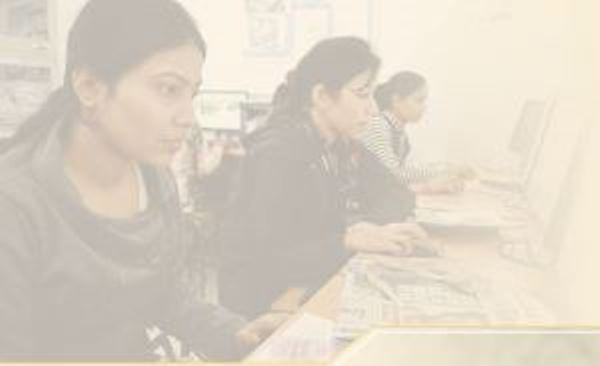
International Center for Research on Women (ICRW) website, accessed July 24 2013. Image credit: Kazimuddin (Kazu) Ahmed/ Panos South Asia
- Log in to post comments