










































Beliefs and Norms Associated with the Use of Ultra-Processed Commercial Milk Formulas for Pregnant Women in Vietnam
Alive & Thrive Southeast Asia, FHI 360 (Tuan T. Nguyen, Cashin, Ching, Weissman, Mathisen); Deakin University (Baker); Da Nang Hospital for Women and Children (Tran); Asia Pacific Regional Office, FHI 360 (Weissman); Hanoi University of Science and Technology (Thao T. Nguyen)
"These findings are unsurprising when we consider the aggressive tactics used to market CMF in Vietnam."
Commercial milk formula for pregnant women (CMF-PW) is an ultra-processed, high-sugar product marketed primarily in middle- and lower-middle-income countries (LMICs) through group meetings (e.g., prenatal classes), events, competitions, lucky draws, and one-on-one virtual consultations through social media. Although the consumption of CMF-PW may be linked to negative health outcomes, it is promoted as beneficial for pregnant women, lactating mothers, and their children. This analysis examines the association between the use of CMF-PW and related beliefs and social norms among pregnant women in Vietnam. To explore the links between pregnant women's perceptions of CMF-PW and the messages used to market them, the paper also discusses the contents of CMF-PW labels and promotional materials in Vietnam.
The researchers interviewed 268 pregnant women in their second and third trimesters from two provinces and one municipality representing diverse communities in Vietnam. Multinomial (polytomous) logistic regression, structural equation modeling (SEM), and propensity score matching (PSM) analysis were used to examine associations between beliefs and social norms related to CMF-PW and reported consumption, characterized as occasional, recent, and never during the current pregnancy.
Overall, 64.6% of pregnant women reported using CMF-PW during the current pregnancy, and 34.7% had consumed CMF-PW on the day prior to the interview. One-quarter of the pregnant women were exposed to a promotion for CMF-PW in the previous 30 days, and 29.1% correctly answered three questions on recommended timing for early, exclusive, and continued breastfeeding.
More than half (53.7%) of pregnant women believed or strongly believed that CMF-PW would make a child smart and healthy, and 70.9% agreed or strongly agreed that most of the pregnant women they knew consumed CMF-PW. These beliefs were associated with increased use on the previous day (beliefs: adjusted odds ratio (aOR): 3.56; 95% confidence interval (CI): 1.65, 7.71; p < 0.01 and social norms aOR: 2.29; 95% CI: 1.13, 4.66; p < 0.05). SEM and PSM analyses confirmed these findings for both occasional and regular CMF-PW use.
In fleshing out the findings, the researchers provide context, including:
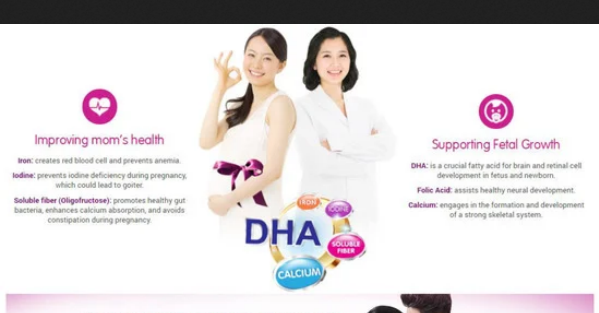
- The belief that using CMF-PW during pregnancy will make a child smart and healthy is aligned with the promotional messaging and claims of these products (e.g., see example above), which appeal to parents' emotions and aspirations, including child learning ability, brain development, and scholastic achievement. For instance, promotional materials for ColosBaby for Mum highlight ingredients such as a small portion of milk from cows that have just given birth, comparing the result to regular formula milk and claiming that the product will "bolster immunity" in mothers.
- The promotion of CMF-PW products reflects a market segmentation and cross-promotion strategy, whereby products include CMFs not only for pregnant women and lactating mothers but also for infants, children, adolescents, and the elderly. The goal is to create brand identity (and presumed brand loyalty), with the goal of continued CMF use after childbirth - and through the life course.
- The CMF industry promotes CMF-PW in health facilities, provides free samples, sponsors research, and engages in national policy development, all in violation of the International Code of Marketing of Breast-Milk Substitutes.
- In Vietnam, CMF producers sponsored studies on CMF-PW led by authors from the CMF industry (Abbott Nutrition), in collaboration with the government and research institutions. These studies, which have inherent conflicts of interest, reported a positive association between the use of a CMF-PW product sold by the company that sponsored the research and birth outcomes, child development, and successful breastfeeding. Using the findings from these studies, the CMF industry influenced the development of the "National Guideline on Nutrition for Pregnant Women and Lactating Mothers", launched by the Vietnamese Ministry of Health in 2017 through technical and financial support from Abbott Laboratories.
In short, this study "found that the prevalent use of CMF-PW in Vietnam is associated with the belief that these products make children smart and healthy and the perceived social norm that most pregnant women use these products. The study findings suggest that the CMF industry uses CMF-PW as an entry point to further promote other CMF products....They also influence CMF-PW norms through sponsorship of health worker training, research, and even national policy development... [- in the process], undermining breastfeeding."
The researchers suggest that regulations on the promotion of CMF-PW need to be strengthened, especially at health facilities, in public, on social media, and through sponsorship from CMF industry. They also call for stronger regulation on the labeling of CMF-PW, including the use of images, nutrition and health claims, cross-promotion with CMF for infants and toddlers, and the sugar content of these products. Finally, they urge that the potential harmful effects of using CMF-PW (e.g., excessive weight gain during pregnancy and increased risk of diabetes) must be communicated to pregnant women, mothers, and the health workers who counsel them.
Nutrients 2021, 13(11), 4143; https://doi.org/10.3390/nu13114143 - sourced from The MIYCN Update from Alive & Thrive, Fall 2021; and email from Tuan T. Nguyen to The Communication Initiative on November 23 2021.
- Log in to post comments