










































Determinants of Undervaccination of Routine Childhood Immunization in Argentina: A Cross-sectional Study
UT Southwestern Medical Center (Melchinger, Omer); Yale University (Winters, Christie); United Nations Children's Fund (UNICEF) Argentina (Arias, Lirman); UNICEF Headquarters (Abeyesekera); Irimi Company (Thomson)
"...study identified several key demographic, logistical, and attitudinal drivers of under-vaccination of children in Argentina. Taken together, they have the potential to inform interventions to improve uptake of childhood vaccines..."
In Argentina, there has been a decline in routine immunisation coverage since 2015, with very little evidence to date on underlying drivers of this steady decline. This study investigates determinants of undervaccination among parents with children under the age of 12 across Argentina.
Between July 1-25 2022, the researchers administered an online nationwide behavioural insights survey to 1,504 parents in Argentina. Of parents surveyed, 7% (n = 111) were categorised as having failed to vaccinate, or only partially vaccinated, their children. Participants gave several reasons related to access or acceptance. The most common reasons were that the time and/or effort it takes to get to the vaccination centre (14%) and the worry that too many vaccines are given at the same time (14%). Parents had also not fully vaccinated their children because they believed that vaccines were not safe (13%) or because they forgot to do so (12%). Lastly, 12% of parents mentioned that vaccines were not available in their vaccination centre.
The researchers found that a higher score on the Vaccine Hesitancy Scale was associated with parental undervaccination of children (adjusted odds ratio (aOR) 2.03, 95% confidence interval (CI) 1.50-2.74. Compared to the youngest parents (aged 18-24), older parents were less likely to undervaccinate their children (e.g., 30-34 year-old parents: aOR: 0.31, 95% CI 0.16-0.57). Parents who undervaccinated their children were more likely to take vaccination advice from parent and wellness social media influencers (parent influencers: aOR 2.51, 95% CI 1.46-4.31) and were less likely to trust the social media accounts of official health organisations (aOR 0.82, 95% CI 0.70-0.96). Parents who undervaccinated their children were more likely to report that they did not know enough about vaccines or the vaccination schedule to make a decision.
Perceived recommendations from influential stakeholders such as religious leaders, community leaders, close friends and family, and health workers were inversely associated with undervaccination of children by parents. For instance, those who thought religious and community leaders would want parents to vaccinate their children were less likely to undervaccinate their children (e.g., religious leaders: aOR 0.58, 95% CI 0.35-0.98). Perceived recommendations from close friends and family about childhood vaccines were not associated with undervaccination, while healthworker vaccine recommendations were inversely associated with undervaccination of children (aOR 0.34, 95% CI 0.19-0.59)
These results point to the importance of providing information about routine immunisation and designing campaigns that can reach undervaccinating parents through their trusted sources, which may include online influencers. At the same time, building trust in health providers and authorities may improve vaccine uptake among hesitant parents.
In conclusion: "These results offer important insights into parental concerns surrounding routine childhood immunization and suggest potential drivers of - and solutions to - the decline in routine immunization seen in Argentina since 2015."
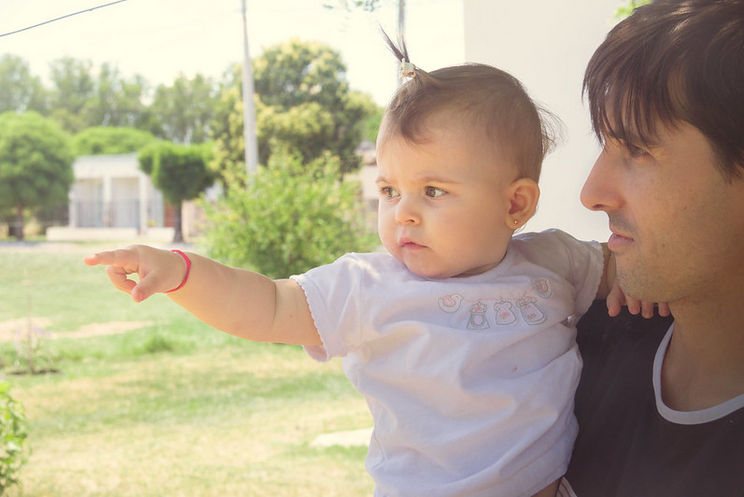
Vaccine. https://doi.org/10.1016/j.vaccine.2024.126235. Image credit: Juanedc via Flickr (CC BY 2.0)
- Log in to post comments