










































Friday Sermons, Family Planning and Gender Equity Attitudes and Actions: Evidence from Jordan
Bloomberg School of Public Health, Johns Hopkins University (Underwood); Johns Hopkins Center for Communication Programs (Kamhawi)
"In sum, the results indicate that the trained Imams, when they do disseminate information on these important topics, convey the messages more clearly and with greater effect due to their training..."
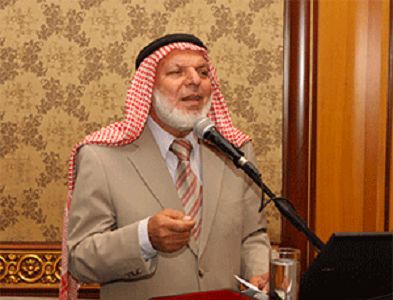
Jordan is among the countries where religious leaders (RLs) have been found to be key allies in improving family health by influencing a range of social norms and behaviours, including contraceptive use and HIV prevention. Cognisant of the link between contraceptive acceptance and gender norms and the potential importance of this untapped source, the Higher Population Council/Gender Secretariat (HPC/GS) together with the Jordan Health Communication Partnership (JHCP) initiated a communication-focused training programme whose aim was to improve RLs' knowledge and efficacy related to family health so they could take a more proactive role in promoting the welfare of the family. This article reports findings from 2 studies: a 2-part panel study conducted with RLs pre- and post-intervention (baseline and endline, respectively) in 2011, which assessed the direct effects of the training programme, and a companion study conducted in 2012 with mosque congregants to assess the secondary or indirect effects of the RL programme.
The article lays out the conceptual framework. For example, ideational theory, which posits that social norms and associated practices change when new ways of thinking are conveyed through conversation among homogenous groups, informed the survey instruments for both studies. It also describes the RL training in more detail. Guided by the Religious Leaders' Training Manual on Family Health, which was written by health communication specialists and RLs, the 2-day, 8-session training workshops were conducted with 20-25 RLs per workshop. Participants developed individual 6-month action plans regarding how they would deliver the information they had learned, whether through Friday sermons, religious lessons, or counseling sessions.
Programmatic effects on RLs were evaluated with a panel study design; 245 male and 145 female RLs participated in both baseline and endline surveys in 2011. To assess effects on mosque attendees, a nonequivalent, post-intervention only with control group design was utilised; 431 intervention and 426 control respondents were interviewed in 2012. Irbid city was the intervention study site and Jerash the control site. Approximately 90% of mosque attendees were men.
RLs at endline compared with baseline RLs reported a higher mean number of sermons or counseling on all 4 broad topic areas (with encouraging spousal communication as a cross-running theme): reproductive health, family planning (FP), gender equity, and population issues, as shown in Table 2 in the paper. These results suggest that the training did make a difference in family health advocacy of RLs. But, as the researchers point out, these findings beg the larger question of whether RLs' outreach made a difference in the minds and actions of their congregants.
In fact, their congregants were no more likely than control congregants to report having heard such messages over the previous 6-month period, contrary to the anticipated outcome. (Only about half of all respondents recalled messages about any of the mentioned topics. Forty-three percent recalled hearing messages about Islam's stance on gender equity. Less than one-fifth of respondents recalled hearing any of the remaining topics.)
However, intervention congregants compared with controls were more likely to take action related to the topics to which they were exposed. Bivariate analysis found that 81% of respondents in Irbid and 57% of respondents in Jerash who recalled any FP message took FP-related actions; similarly, in Irbid, significantly more respondents who recalled a gender equity message took action relating to that topic compared with those who did not recall that message (58% and 14%, respectively).
The authors hope that these findings, while not all anticipated, can contribute to better and more finely nuanced programmes that can contribute to better health outcomes and greater gender equity through faith-based programming.
Journal of Public Health, Volume 37, Issue 4, 1 December 2015, Pages 641-48, https://doi.org/10.1093/pubmed/fdu090. Image credit: Johns Hopkins Center for Communication Programs
- Log in to post comments