










































Global Diffusion of eHealth: Making Universal Health Coverage Achievable
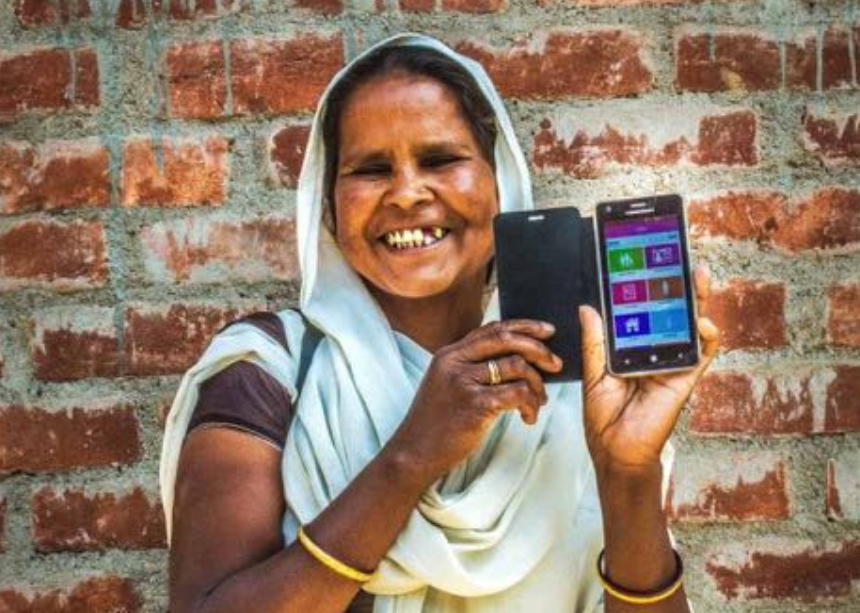
"...in the 21st century the delivery of health care and improvements of health systems must consider the contribution of ICT as an essential and central component, not an add-on. eHealth is now an integral part of delivering improvements in health."
This third global survey of the World Health Organization (WHO) Global Observatory for eHealth (GOe) investigated how eHealth can support universal health coverage (UHC) in Member States. The report considers eHealth foundations built through policy development, funding approaches, and capacity building in eHealth through the training of students and professionals. It then observes specific eHealth applications such as mHealth, telehealth, electronic health records (EHR) systems, and eLearning and how these contribute to the goals of UHC. One topic explored is the extent to which legal frameworks protect patient privacy in EHRs as health care systems move towards to delivering safer, more efficient, and more accessible health care. Finally, the rapidly emerging areas of social media for health care as well as big data for research and planning are reported.
The impetus for the global surveys on eHealth came from the increasing use of information and communication technologies (ICTs) in support of health services in both developed and developing countries since the early 2000s. "It has become increasingly clear that UHC cannot be achieved without the support of eHealth." UHC is part of the post-2015 agenda geared to meeting the Sustainable Development Goals (SDGs) adopted by the United Nations (UN) General Assembly in September 2015. Goal 3 in part aims to "achieve UHC, including financial risk protection, access to quality essential health-care services and access to safe, effective, quality and affordable essential medicines and vaccines for all" (Target 3.8).
A total of 125 countries participated in thehe GOe 2015 survey, which was divided into 8 thematic subjects: eHealth foundations, mHealth, telehealth, eLearning in health sciences, EHRs, legal frameworks for eHealth, social media, and big data. Each of these themes is discussed in the report and also explored in case studies that highlight examples of successful eHealth programmes, while Annex 1 details the methodology and limitations of the survey. Here are some selected findings:
- More than half of WHO Member States now have an eHealth strategy, and 90% of eHealth strategies reference the objectives of UHC or its key elements. It is becoming mainstream for countries to have policies for managing information.
- A large number of countries reported at least one mHealth initiative (83%). Despite the rapid growth, however, very few Member States reported evaluations of government-sponsored mHealth programmes, thereby limiting knowledge of what works well and what mistakes to avoid.
- By offering care at a distance, telehealth services enable greater equity in health coverage. The use of telehealth continues to grow, and teleradiology is the most widespread (77%). Other services, such as telepathology, remote patient monitoring, and teledermatology, are also in use in nearly half of countries.
- eLearning, which encompasses a variety of interventions in terms of tools, content, learning objectives, pedaegogical approaches, and setting of delivery, is used for medical students' and doctors' education in over 84% of countries. Implementation of eLearning is associated with a number of challenges. For example, there is a lack of robust and comprehensive health science eLearning evaluation standards, leading to haphazard evaluation and accreditation of eLearning programmes.
- National EHR systems are now reported in 47% of countries.
- In total, 78% of countries reported legislation protecting the privacy of personal information, and 54% reported legislation to protect the privacy of electronically held patient data.
- Nearly 80% of countries reported that health care organisations use social media for the promotion of health messages.
- 17% of countries already report having a national policy or strategy regulating "big data" use in the health sector.
One of the report's case studies examines Electronic Immunization Registries (EIR) in Latin America. This case study mentions that, to date, many countries in Latin America have been working toward implementing EIRs, seeking to improve immunisation data quality and facilitate better data availability at all levels of the immunisation programme. For instance: El Salvador is including vaccines doses administered at birth in its electronic birth records; Venezuela has begun the process with a platform to track yellow fever vaccinations; and Mexico is working on vaccination SMS (short message service) reminders and adding a near-field communication chip to the current paper-based national vaccination card, which is also supported by a mobile and web-based app. The report highlights the Improving Data Quality for Immunization (IDQi) Project, a Pan American Health Organization (PAHO) initiative to help countries decide whether, when, and how to introduce and/or expand EIRs. Best practices on EIR development and implementation, identified from various countries in the context of the IDQi initiative, include the following:
- Objectives and the scope of the EIR should be clearly established before development;
- Implementation of the EIR should be monitored in order to address problems as soon as possible;
- Data flow and processes should be clearly identified at the start of the project;
- An unique identifier should be used or created, as well as capturing the entire intended population;
- EIRs need to be flexible enough to accommodate new vaccines, new schedules, etc.; and
- EIRs require investments in time and financial commitments during their entire life cycle.
The survey touched on some developments that can be expected to have significant impact in the near future, such as the potential over the next 10 years for low-cost smartphones to enable virtually everyone everywhere to have access to audio-visual examples of best (global and local) practices for improving health behaviours. "As silo-based solutions are replaced with those that are more people-centred, the potential contributions of eHealth and UHC to achieving the SDGs (e.g. the development of sustainable cities and communities, goal 11) may become more evident. But progress will depend on learning, vision, sharing and comparing experiences. The results of this survey are a contribution to that process."
This report, which was supported by the United States Agency for International Development (USAID), complements the February 2016 Atlas of eHealth Country Profiles 2015 - The Use of eHealth in Support of Universal Health Coverage.
Global Immunization News, January 2017 [PDF] and WHO website - both accessed on February 1 2017. Image credit: © iStock photos
- Log in to post comments