










































The Lancet: Maternal and Child Nutrition
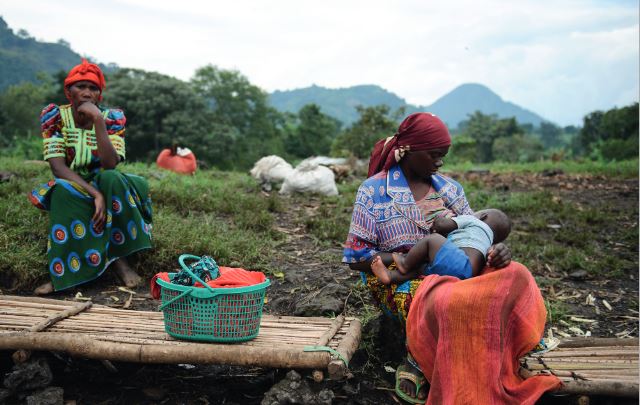
"Nutrition is crucial to both individual and national development. The evidence in this Series furthers the evidence base that good nutrition is a fundamental driver of a wide range of developmental goals. The post-2015 sustainable development agenda must put addressing all forms of malnutrition at the top of its goals."
Maternal and child undernutrition is the subject of this series of papers in The Lancet, following a 2008 series on the same topic. Five years after the initial series, this issue re-evaluates the problems of maternal and child undernutrition and also examines the growing problems of overweight and obesity for women and children and their consequences in low-income and middle-income countries (LMICs). From the Executive summary: "Many of these countries are said to have the double burden of malnutrition: continued stunting of growth and deficiencies of essential nutrients along with the emerging issue of obesity. We also assess national progress in nutrition programmes and international efforts toward previous recommendations....
The first paper examines the prevalence and consequences of nutritional conditions during the life course from adolescence (for girls) through pregnancy to childhood and discusses the implications for adult health. The second paper covers the evidence supporting nutrition-specific interventions and the health outcomes and cost of increasing their population coverage. The third paper examines nutrition-sensitive interventions and approaches and their potential to improve nutrition. The fourth paper discusses the features of an enabling environment that are needed to provide support for nutrition programmes, and how they can be favourably influenced. A set of Comments examine what is currently being done, and what should be done nationally and internationally to address nutritional and developmental needs of women and children in LMICs."
The issue is aimed to increase interest in and commitment to a framework to address undernutrition focused on the 1000 days during pregnancy and the first 2 years of life. As stated here: "One of the main drivers of this new international commitment is the Scaling Up Nutrition (SUN) movement. National commitment in LMICs is growing, donor funding is rising, and civil society and the private sector are increasingly engaged." Evidence of interventions is given along with a recommendation for use of community-based delivery systems. "These could also lead to potential integration of nutrition with maternal, newborn, and child health interventions, helping to achieve reductions in inequities."
Working with programmes in agriculture, social safety nets, early child development, and schooling is acknowledged for nutrition-sensitive programming, but evidence is unavailable on successful strategies. However: "Evidence suggests that targeted agricultural programmes are more successful when they incorporate strong behaviour change communications strategies and a gender-equity focus. Although firm conclusions have been hindered by a dearth of rigorous programme evaluations, weaknesses in programme design and implementation also contribute to the limited evidence of nutritional outcomes so far.... Parental schooling is consistently associated with improved nutrition outcomes and schools provide an opportunity, so far largely untapped, to include nutrition in school curricula for prevention and treatment of undernutrition or obesity. Nutrition-sensitive programmes also offer a unique opportunity to reach girls in adolescence (preconception) and possibly to achieve scale either through school-linked programmes with conditions or home-based programmes."
The summary also focuses on the launch of the SUN movement in 2010 and its potential to improve "stewardship of the global nutrition architecture. SUN brings together more than 100 entities across the organisational spectrum of the nutrition community. Up to now, more than 30 countries (representing 35% of the global child stunting burden) have joined SUN, committing to scaling-up direct nutrition interventions and advancing nutrition-sensitive development." Needs for commitment and accountability are recognised along with contention involving infant feeding policies and products. However: "Opportunities exist for collaboration around advocacy, monitoring, value chains, technical and scientific collaboration, and staple-food fortification that are uncontentious and deserve further exploration." The conclusion of the Executive summary is that the window of opportunity for scaling-up nutrition is now available.
Email from Marcia MacNeil to The Communication Initiative on June 7 2013.
- Log in to post comments