










































Malaria SBC Toolkit for Community and Faith Leaders
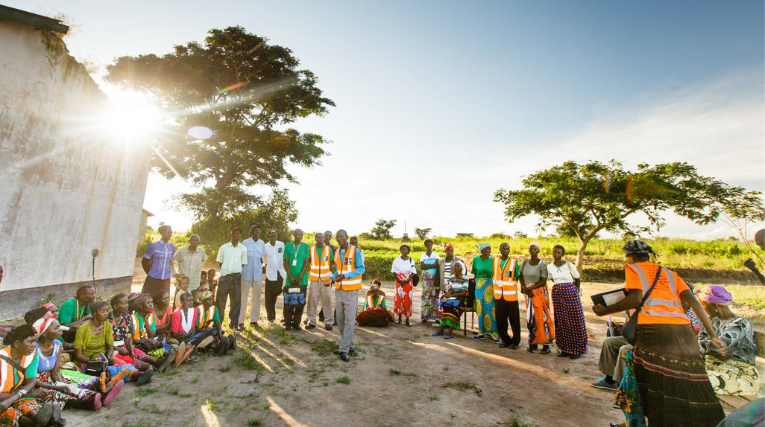
"To change their behaviors and prevent and treat malaria, community members must receive support from sources they know and trust and understand their needs and values. Community- and faith-based organizations provide this key connection and trust....Social and behavior change is grounded in community engagement and ownership and is shown to reduce malaria and save lives effectively."
Faith and community leaders have deep roots in local communities. Local leaders also play an important role in health issues around the world, including malaria. Developed by the United States President's Malaria Initiative (PMI) in partnership with Breakthrough ACTION, this toolkit guides faith and community organisations to use their own strengths, community connections, and resources to support malaria education, prevention, and treatment in local communities. Using the processes of social and behaviour change (SBC), the toolkit will help leaders influence communities' knowledge, attitudes, beliefs, and social norms to help people adopt key behaviours to prevent and treat malaria.
The toolkit features:
- Resources on how malaria is affecting your country or region;
- Key malaria messages you can use in your community;
- Tools for integrating these messages into community-based activities such as home visits, work with schools and children, and sermons and faith-based gatherings;
- Strategies for being malaria advocates;
- Guidance for partnerships with other local leaders to effect change; and
- Steps for tracking and monitoring malaria progress.
Four different content sections are offered, but leaders can access the content in any order:
- Context: Explains the importance of both community and faith-based organisations; emphasises the need to understand the malaria context of your country and community; provides resources for learning more about malaria in your country; and reviews what SBC is, why it is important for stopping malaria, and what the key elements of a successful SBC strategy are.
- Malaria Actions to Promote: Describes 8 behaviours to promote in your community to stop the spread of malaria illness and death.
- Using Malaria SBC in Your Work: Explains the 7 steps for planning a strategy to integrate malaria SBC into your existing work.
- Advocacy: Demonstrates how to use advocacy as a tool for overcoming barriers and demanding the resources and tools needed to enact behaviour change.
Users of this toolkit can find each other to compare experiences and get ideas by joining the Springboard for Social and Behavior Change online Group for Community and Faith Leaders (you will need to register for a free account).
Using the toolkit, the Malawi Interfaith AIDS Association and National Malaria Control Program trained 18 faith and community leaders from across the country to promote key malaria prevention behaviours during sermons and community gatherings. Key messages included statements like "every household member should sleep under an insecticide-treated net every night", "properly care for and maintain your insecticide-treated net", and "know the symptoms of malaria and seek care within 24 hours at a health facility or with a community health worker".
Editor's note: Below is a link to Part I of a 2-part webinar introducing the toolkit (click here to also access Part II links in English, French, and Portuguese). Featured presenters in the Part I webinar include: Dr. Raj Panjabi, U.S. Global Malaria Coordinator, PMI; Joy Phumaphi, Executive Secretary, African Leaders Malaria Alliance; Mariam Nabukenya Wamala, Co-Chair, Roll Back Malaria (RBM) Social and Behavior Change Working Group; Dr. Lamine Bangoura, Malaria Specialist - United States Agency for International Development (USAID), Guinea; Reverend Emmanuel Chikoya, General Secretary, Council of Churches in Zambia; Pascaline Umulisa, Executive Secretary, Girl Guides Association of Rwanda; and Anna McCartney-Melstad, Senior Program Officer II, Breakthrough ACTION, Johns Hopkins Center for Communication Programs.
Publishers
- Log in to post comments