










































The Night Is Another Country: Impunity and Violence against Transgender Women Human Rights Defenders in Latin America
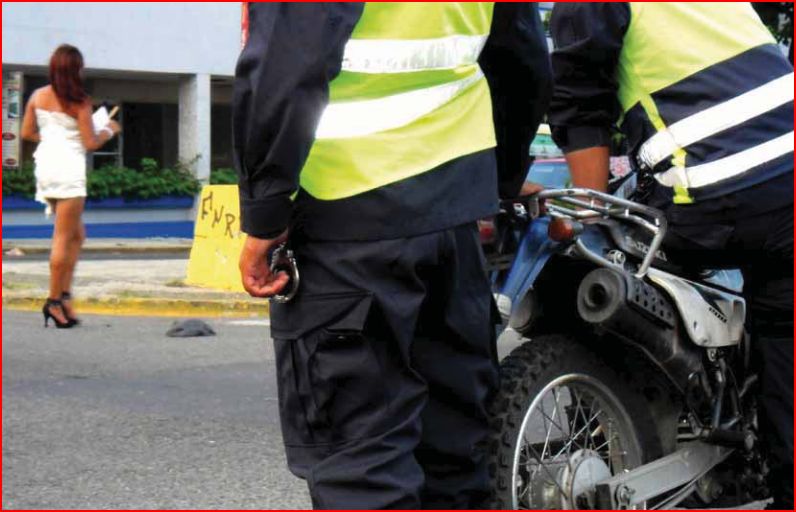
"The decision to produce this report was born from the need to expose the numerous cases of violence and murders unjustly suffered by transgender women in Latin America....Although this report focuses on physical violence, transgender women experience violence on many levels as a result of social exclusion and discrimination."
This report analyses the testimonies of transgender women human rights defenders and HIV activists in different Latin American countries, with a particular focus on Guatemala and Honduras. According to the Red Latinoamericana y del Caribe de Personas Trans (REDLACTRANS) report, which is supported by the International HIV/AIDS Alliance ("the Alliance") and What's Preventing Prevention, the transgender population is the most affected by the HIV epidemic in Latin America, with a prevalence rate of 35%. To put an end to the epidemic, the Alliance asserts that it is essential to ensure the fulfillment of human rights as well as access to health services that respect gender identity.
The report makes a holistic set of recommendations for stakeholders at the international, regional, and national levels. These include: calling for arrests and trials of those responsible for murders, hate crimes, and other human rights violations; providing legal recognition of gender identity; and extending comprehensive health services to the transgender community. The hope is that the evidence and recommendations included in this report "incite Latin American States to take immediate action to rectify this situation, and that they contribute to creating a political and legal environment that favours the true inclusion of transgender women in society. Only by putting the rhetoric into practice will we reduce the vulnerability of transgender women, not only to HIV but to any situation in which they are marginalised, targets of violence, or that prevents the full enjoyment of their human rights."
The research methodology of this report is qualitative, and it draws from both primary and secondary sources. Based on that data collection, the report presents 3 findings:
- The testimonies and events reveal "the systematic nature and scope of the human rights violations committed against transgender human rights defenders and other transgender women by State actors. These rights violations, which include extrajudicial executions, torture, cruel, inhuman and degrading treatment and arbitrary detentions, extend beyond both the heading of hate crime, the label under which such cases are usually categorized, and the context of widespread violence that exists in many countries of Latin America. Around 80 per cent of the transgender activists interviewed reported having been subjected to violence or threats to their physical integrity allegedly emanating from State actors."
- "[T]he penetration of transphobia, namely fear or hatred of transgender people, across State structures at every level, is facilitating a similarly systematic climate of impunity with regard to human rights violations committed against transgender activists and other transgender women. The report presents evidence of such impunity which manifests itself in a culture of silence that impedes the filing of complaints, a failure to adopt a differentiated approach when dealing with such cases, ineffectiveness in the justice system, the existence of discriminatory legislation and the absence of legislation on gender identity." According to civil society organisations (CSOs) that have provided data located by Colombian activists, 60 transgender women were murdered between 2005 and 2012 without a single person having been brought to justice. In the same period, 35 transgender people were murdered in Guatemala, with only one person brought to justice. In Honduras, in the cases of 61 killings of lesbian, gay, bisexual, transgender, and intersex (LGBTI) individuals reported between 2008 and 2011, only ten people were brought to trial, none for the death of transgender women, despite the fact that the latter accounted for two-thirds of the cases. "The analysis provided in this report shows that the impunity surrounding the violation of the rights of transgender activists and other transgender women is not solely due to the general impunity that exists in several Latin American countries but is largely motivated by transphobia."
- Transgender human rights defenders in Latin America are "at extreme risk of being subjected to human rights violations, a risk that is exponentially increased in the context of sex work. Ninety-five per cent of the transgender human rights defenders interviewed combine their activism with sex work. In about 90 per cent of the cases covered in this report, the violence reported is related to sex work. This happens when the police take direct action against defenders because of their activism, making use of the sex work context to take reprisals against them..." Transgender defenders also face discrimination from their families and the communities or ethnic groups to which they belong, as well as violence used by maras (street gangs active in Central America that are engaged in criminal activities) and organised crime.
According to the report: "These findings show that the national, regional and universal measures and mechanisms established to protect human rights are failing in the case of transgender women."
The report concludes that, in the context of the generalised stigmatisation, discrimination, and violence these groups face, "it is virtually impossible to provide an effective HIV response focused on the most-at-risk populations. In Latin America, the violence and intimidation to which transgender women are subjected and the impunity with which such crimes are committed, undermine efforts to ensure that HIV prevention, treatment, care and support services reach transgender women which, paradoxically, is the population with the highest HIV prevalence."
The report recommends that:
- State authorities in Latin America, the Organization of American States, the United Nations and its member States, and specialised agencies and CSOs join together to combat the "impunity, violence and discrimination suffered by transgender activists. It calls for all cases of human rights violations, hate crimes and discrimination allegedly committed against transgender women to be investigated, prosecuted and punished."
- The international community monitors the human rights of transgender women in Latin America and, within the framework of their respective mandates, publicly expresses their concerns and recommendations.
- CSOs work with transgender women's organisations to monitor and make this issue public by sharing their advocacy experiences, devising institutional strategies, and encouraging the establishment of partnerships to defend and promote the human rights of transgender women. Another suggestion is that CSOs engage with the media around the right to gender identity and related issues "in order to stop the degrading treatment of transgender women by the media."
Alliance website, May 9 2013.
- Log in to post comments