










































Rural Sanitation and Hygiene: Behavioral Study Vietnam 2016
PSI Vietnam
"This study highlights the continuing need for improved sanitation and hand‐washing with soap practices among rural families in Vietnam, and identified factors that need to be addressed in order to improve sanitation and hand‐washing practices"
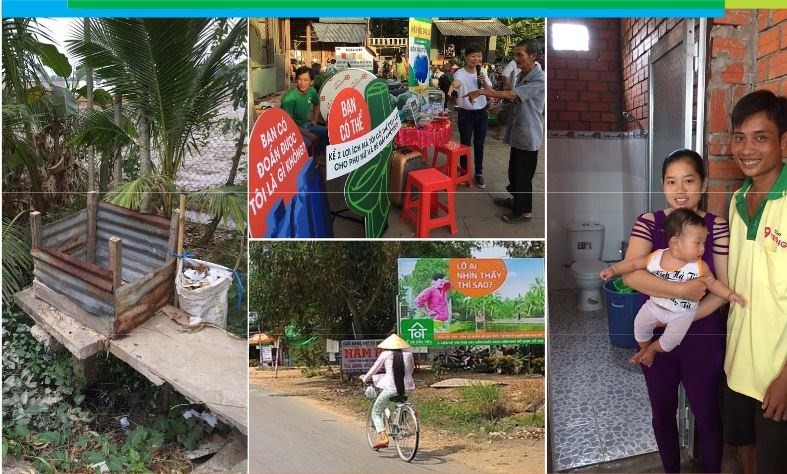
This study conducted in Vietnam examines behaviourial results of Population Services International (PSI)'s social marketing campaign on hygiene to promote handwashing with soap as well as hygienic latrines - water, sanitation and hygiene (WASH)-related behaviours - among households of the Mekong Delta. As stated in the research, in this area where an estimated 50% of households use hygienic sanitation and 23.5% of children under are stunted, "poor hygiene practices are leading causes of acute respiratory infection (ARI) and diarrheal diseases..."
"PSI Vietnam's WASH program started in 2008 with social marketing of safe household water treatment and hand ‐ washing with soap in multiple provinces of the Mekong Delta region. In 2015, PSI’s WASH program expanded to include a market‐based approach to improving sanitation...", aiming to address both supply- and demand-side barriers to rural family investment in hygienic sanitation through:
- "Expanding rural commercial access to quality, affordable sanitation products and services....
- Developing evidence‐based behavior change communication (BCC) campaigns to promote the benefits of hygienic sanitation and hand ‐ washing hygiene in terms that resonate with rural women, men and grandparents.... TOT campaign messages... to i) give women pride when visitors from other provinces come to her home, and ii) protect a man’s reputation as a husband who will ensure that his wife is not seen by others while defecating.
- Designing toilet sales seminars and product shows to increase retail and community....
- Using community engagement techniques to promote improved social norms relevant to sanitation, including commune competitions organized with support from Departments of Health."
This research aimed to assess: current WASH practices; exposure to the social marketing activities; and possible positive correlation to PSI programming, as well as identify priorities for future rural sanitation marketing. Participants were chosen from 12 districts through randomised, clustered sampling. "Logistic regression was used to identify factors associated with sanitation and hand ‐ washing with soap behaviors and to assess association between project exposure and improved sanitation behaviors....After slightly more than one year of implementation of PSI’s sanitation social marketing activities, 23% of rural households surveyed in Tien Giang province reported exposure to PSI's study highlights the continuing need for improved sanitation and hand ‐ washing with soap practices among rural families in Vietnam, and identified factors that need to be addressed in order to improve sanitation and handwashing practices."
Conclusions include the following:
- "Use of unhygienic latrines and open defecation practices are still common; associated factors should inform future programming even where hygienic latrines exist....
- Improved ventilation in latrine construction and related discussion with masons and clients about how ventilation can provide 'open‐air' benefits in an improved sanitation setting may motivate rural families to invest in sanitation....
- Perceived affordability of sanitation is barrier to installation....
- Increased exposure to evidence‐based sanitation messaging is likely to yield greater sanitation behavior change.....[Convenience at night and cleanliness were identified as preceived advantage.]
- Additional programming to promote hand washing with soap is needed among rural families in Mekong Delta."
PSI website, December 11 2018.
- Log in to post comments