










































Scaling-up Voluntary Medical Male Circumcision: What Have We Learned?
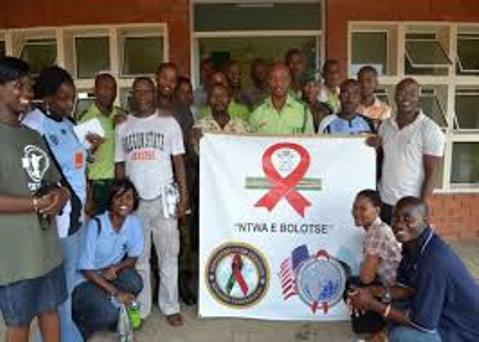
International Training and Education Center for Health, Botswana (Ledikwe, Nyanga, Grignon, Mpofu, Semo), Department of Global Health, University of Washington (Ledikwe, Hagon, Grignon, Semo)
"The purpose of this review article was to apply a systems thinking approach, using the [World Health Organization (WHO)] health systems building blocks as a framework to examine the factors influencing the scale-up of the [voluntary medical male circumcision (VMMC)] programs from 2008-2013."
The review analysed and summarised key findings from global peer-reviewed publications and donor and technical agency reports using the following: "1) leadership and governance; 2) health workforce; 3) health service delivery; 4) medical products, vaccines, and technologies; 5) health financing; and 6) health information. Facilitators that accelerated the VMMC program scale-up included: country ownership; sustained political will; service delivery efficiencies, such as task shifting and task sharing; use of outreach and mobile services; disposable, pre-packaged VMMC kits; external funding; and a standardized set of indicators for VMMC."
Communication aspects include:
1) Leadership and governance - National champions were engaged to promote policy, aided by designating a national programme focal person. Engagement at the community and facility level included involving key stakeholders: community members, implementing partners, politicians, and religious leaders.
2) Health workforce - As stated here, training of non-physician providers aided scale-up. However, a "...quality-of-care assessment in South Africa suggests that the rapid scale-up of the VMMC program has diluted human resources and had an adverse impact on health care delivery with declines in the provision of quality services...", and another data set suggested a concern that providers in some scenarios cannot follow patients from start to end of procedure.
3) Health service delivery - Campaign-style outreaches and mobile services need demand creation activities for specific segments of the population. "Demand creation messages need to be tailored particularly to those populations most at risk of HIV infection. Understanding barriers and motivating factors related to VMMC uptake is critical...", for example, peer-to-peer messaging for young people, or, in contrast, "data from Zimbabwe suggest older individuals may be more influenced by improved hygiene and perceived improved sexual performance." Culturally sensitive mobilisation and collaborating with traditional circumcisers were used with success in some circumstances. Male self-efficacy was found to be a predictor in others.
4) Medical products, vaccines, and technologies.
5) Health financing.
6) Health information (data collection for evidence-based decisionmaking).
Among the conclusions is the following: "Currently, the main barrier to the rapid scale-up of VMMC in the majority of the priority countries is demand creation. Understanding the contextual barriers and facilitators of VMMC for the most at-risk target population in each priority country is important in generating demand."
Dovepress HIV/AIDS - Research and Palliative Care of October 8 2014, accessed on March 11 2015, and AIDSFree Prevention Update: Analyzing Approaches & Revisiting Priorities of February 5 2015.
Image credit: Jhpeigo
- Log in to post comments