










































Skills for Life Programme
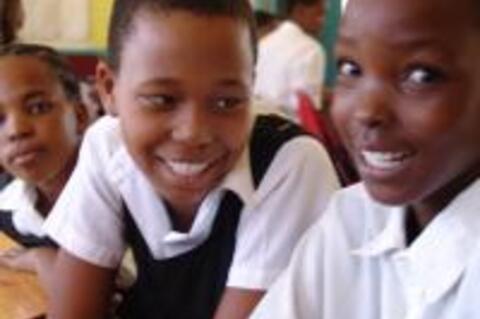
The concept for the programme came from the idea that although students may have knowledge about HIV, many lack the skills to protect themselves. In addition, organisers say that while many schools have HIV prevention material, they have no specific curriculum to guide them. The Skills for Life programme is designed to help teachers teach skills-based education and better integrate HIV prevention into their lessons.
The curriculum, called Living: Skills for Life, Botswana's Window of Hope, utilises the strong cultural theme of community connection and shared responsibility. It presents HIV prevention as a way to protect and strengthen families, relationships, and community life. The curriculum combines factual information about HIV and AIDS with realistic scenarios for group discussion. These scenarios, with fictitious characters facing real-life dilemmas, reappear at each grade level so that children can follow them, learn from them, and grow with them. Local language, names, concepts, and situations are incorporated to make them more meaningful to the students. Teacher's guides accompany all student materials, and each lesson's objective, methods, procedure, and conclusion are provided for the teacher's reference.
The curriculum also seeks to emphasise self-reflection and provide youth with opportunities to learn how to cope with stress and difficult emotions in a healthy way. It uses an interactive, participatory approach that often involves role plays, group discussions, and peer learning. According to the organisers, by September 2010, all 31,000 teachers in the primary and secondary school system will have received training on the curriculum, and will be prepared to use it in their classrooms, reaching 520,000 youth.
Click here to view excerpts from the curriculum materials in PDF format.
HIV/AIDS, Children, Youth
In the future, the organisers hope to bring the curriculum to the 10-20% of young people who do not regularly attend school in Botswana.
Education Development Center's Health and Human Development Division; Ministry of Education, Botswana; and World Health Organization. Funding from Global AIDS programme of the United States (U.S.) Centers for Disease Control and Prevention (CDC), the U.S. President's Emergency Plan for AIDS Relief (PEPFAR), and EnCompass.
EDC Health and Human Development Division website on March 14 2010 and January 10 2011.
- Log in to post comments