










































Vaccine Crisis Communication Manual: Step-by-Step Guidance for National Immunization Programmes
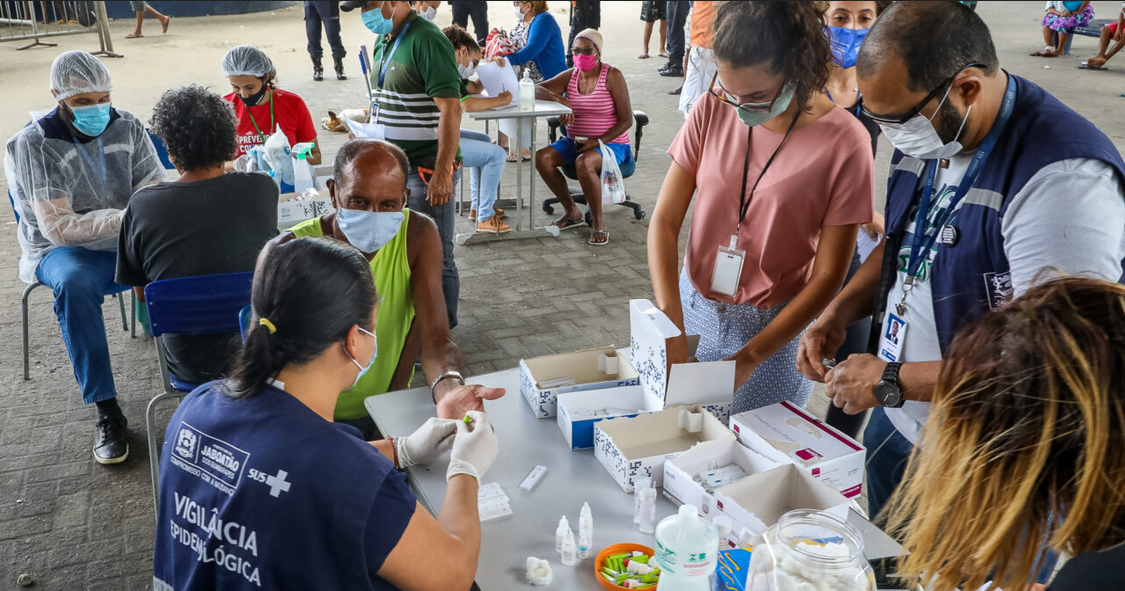
"Each crisis differs and thus requires a tailored, country-specific response."
This manual was developed to support countries in effectively responding to events that may erode the public's trust in vaccines and in the authorities who deliver them. Whether the event is a change in the routine immunisation schedule, the introduction of a new vaccine, a false vaccine-related rumour, or an untoward medical occurrence that follows immunisation, national immunisation programmes need to have a mechanism in place to respond and prevent evolution into a crisis while rebuilding trust in vaccines.
With the hope of benefiting all stakeholders directly involved in communications as part of vaccine crisis management, the manual was developed based on: World Health Organization (WHO) Regional Office for Europe guidance on vaccine safety and crisis communication; in-country training sessions on vaccine safety communication and new vaccine introduction; desktop research in the field of crisis, risk, and emergency communication; and discussions with participants of communication workshops focused on vaccine safety, crises, and adverse events following immunisation (AEFIs) held at the regional and national levels in the WHO European Region.
While this manual mainly focuses on communication actions related to the crisis response phase, it also covers how to best prepare for a potential crisis and provides some insights into conducting post-crisis assessments. For the response phase, step-by-step guidance is provided on how to manage the communication aspects of a vaccine crisis. Main steps include:
- Coordinate and engage
- Gather vaccine crisis coordination group
- Share information
- Design communication response
- Identify key audiences
- Define communication objectives and actions
- Prepare messages
- Choose communication channels
- Monitor public opinion and the media
- Inform the public
- Brief spokespersons
- Communicate with the public
- Communicate with the media
- Continue response
One annex features best practice case studies of medium- and high-impact vaccine crises - for example: "In country A it was announced that the largest national television channel would broadcast a special feature about a new anti-vaccination documentary featuring one of the country's main social media bloggers and influencers....To this end,...measures were undertaken to intensify preparedness efforts....Ultimately, the feature was not picked up by a wider audience and no further action was needed. Nevertheless, preparedness efforts were used to strengthen routine communication and manage a situation which could have easily developed into a high impact event."
32
WHO Institutional Repository for Information Sharing (IRIS), February 22 2022. Image credit: Chico Bezerra/Prefeitura Municipal do Jaboatão dos Guararapes - licensed under a Creative Commons license
- Log in to post comments