










































Pacific Youth Festival

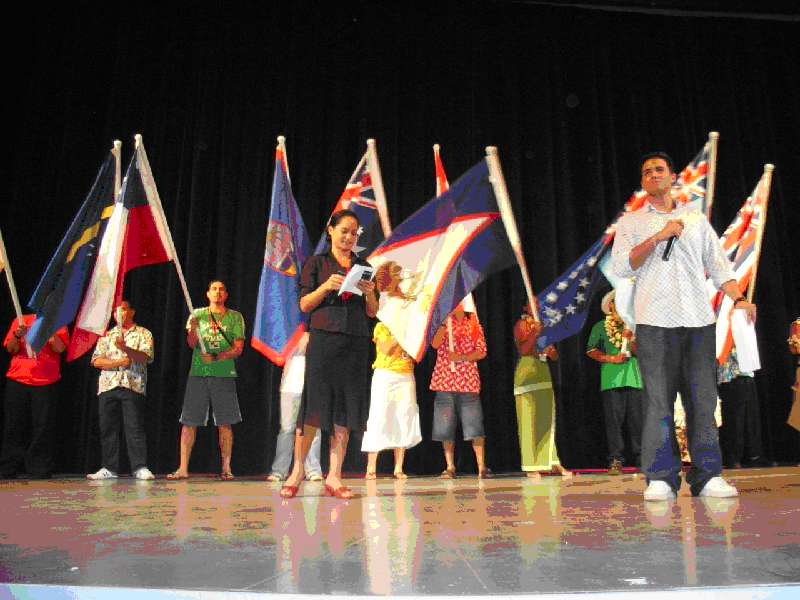
This initiative uses face-to-face interactions in an effort to empower youth with the means to communicate with each other and carry out advocacy based on their shared experiences, commitments, and convictions. The festival comprised a series of conference sessions and seminars and youth-led workshops which were structured around 9 major themes of particular concern to young people. These themes include education and training for all, social and professional integration, sustainable development, cultural diversity, health, equality, peace, active citizenship, and good governance.
The event was meant to provide a space for young people to reflect upon, exchange, and promote their concerns and visions related to the multiple dimensions of sustainable development, in particular. An intersectoral team comprising colleagues from UNESCO/Apia, UNESCO/Bangkok and Headquarters was present throughout the event and responsible for the organisation of 2 conference sessions and 7 workshops and seminars highlighting priorities and approaches pertaining to education for sustainable development, cultural diversity, national youth policies, and communication and networking. Additional skills-building sessions focused on UNESCO's "Youth Visioning for Island Living" initiative and provided an opportunity for young people to learn about the project and the possibility to submit applications for start-up support through the Youth Visioning project fund so that they might realise concrete projects promoting sustainable development in their communities. As a follow-up to the Festival, UNESCO will encourage the further development of communication networks between young people in the Pacific related to the Decade of Education for Sustainable Development and the 3 different themes of Youth Visioning for Island Living.
Technology was also a focus; UNESCO organised a seminar on Multimedia Youth Information Centres to explore young people's needs and ideas with a view to developing such a centre in the region. As a follow-up to this session, a network of young people committed to elaborating a project proposal for submission to UNESCO was established.
Adopted at the final day of the event, the Pacific Youth Charter reflects the discussions held and highlights a shared vision of young people for the development of the region. The Charter emphasises the role of youth participation in small island development. For example, the young writers note that there is a lack of engagement of young people in civic life throughout the region, saying that "We believe that this is primarily due to inadequate information for young people and misconceptions about the realities of political processes. However, we are also convinced that young people have the potential to play an important role in civic activities"; they call on young people to get involved in awareness raising and advocacy programmes in order to promote dialogue among peers. To cite another example, the writers describe challenges that young people of the Pacific face when seeking employment (even after finishing secondary and tertiary education); they call for strengthening of practical training and mentoring to assist in transition from school to the workplace - in part through non-formal education and vocational training.
As part of an effort to continue to promote dialogue and active collaboration between the young people of the region, all delegations committed to further developing the Charter in order to meet the specific needs and aspirations of young people at the national level.
Youth, Sustainable Development.
In July 2004, the Third World Youth Festival took place in Barcelona, Spain. Approximately 10,500 young people gathered for a 9-day forum in which youth platforms from different continents shared their projects, experiences, and views on major and current challenges youth face in today's world. Only a very few people from the Pacific region attended the event; the Pacific Youth Festival was developed as a response to this lack of participation/representation.
Ministry of Youth and Culture, SPC, UPJ, UNESCO.
Email from Jacqueline Groth to The Communication Initiative on August 7 2006; SPC website on September 13 2006; and UNESCO website, November 22 2010.
- Log in to post comments