










































A Four-Step Vaccination Counselling Guide for Health Care Providers
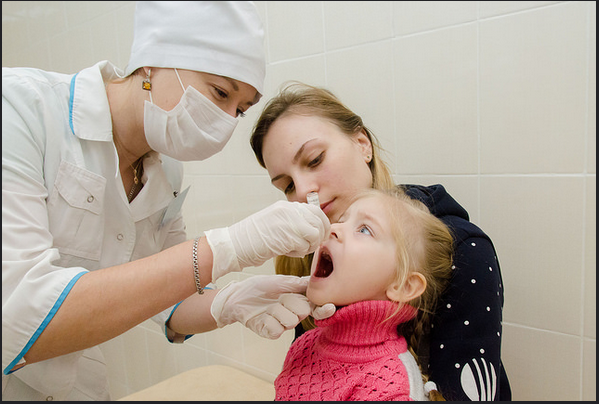
"Identifying parental views on immunization might help health care providers to communicate with parents appropriately. However, the general recommendations can be applied in any situation: establishing mutual trust, accepting questions and worries, and bringing the parent to the appropriate decision."
In the context of global concern about vaccine hesitancy, several studies have identified links between vaccine uptake rates and provider recommendations. That said, healthcare communication requires rapport, and clinical time is scarce. Public perceptions of vaccination information, which often varies by information source, also present communication challenges. This guide lists strategies for use by family doctors, paediatricians, nurses, and allied health professionals who are working to ease parent/patient concerns and barriers to vaccination.
The information presented here synthesises current knowledge on evidence-based vaccination practice, psychology, and behavioural sciences. For example, evidence suggests three primary considerations for those seeking to motivate vaccine uptake, as follows:
- Vaccination decisions are associated with parents' perceptions of risk of infectious diseases, and confidence in vaccines.
- Social norms influence vaccination behaviour.
- Drawing on positive intentions, whilst avoiding the need to focus on specific thoughts and feelings, such as default options, simplified procedures, and reminders, can be effective.
Therefore, building on psychology and behavioural science, this guide is designed to help healthcare professionals communicate effectively with patients through these four steps:
- Be prepared - e.g., Send information in advance.
- Listen - e.g., Connect to the situation of the particular patient/parent.
- Guide decisions through appropriate messaging - e.g., "Messages that stimulate feelings of anticipated regret are reported to be powerful in changing peoples' vaccine uptake, as this method is used to appeal to a feeling of 'lost opportunity' where a negative immunization-avoidance-related scenario occurs."
- Make a plan together with your patient - e.g., Schedule next visits to continue the discussion.
It features sample questions/messaging and do's and don'ts (e.g., in guiding versus directing approaches to pro-vaccine communication).
The guide was developed as part of the United Nations Children's Fund (UNICEF) Ukraine project Capacity Development and Community Engagement to Overcome Misinformation About Vaccination, which is supported by the United States Agency for International Development (USAID) in Ukraine (see Related Summaries, below).
English; Ukrainian
12
UNICEF Ukraine website, August 21 2020. Image credit: ©UNICEF
- Log in to post comments