










































International Technical Guidance on Sexuality Education: An Evidence-Informed Approach
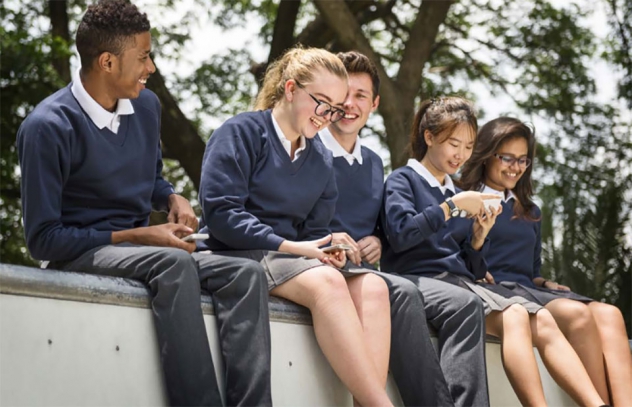
"Countries are increasingly acknowledging the importance of equipping young people with the knowledge and skills to make responsible choices in their lives, particularly in a context where they have greater exposure to sexually explicit material through the Internet and other media."
The United Nations Educational, Scientific and Cultural Organization (UNESCO) has developed this guidance on sexuality education to assist education, health, and other relevant authorities in the development and implementation of accurate and age-appropriate school-based and out-of-school comprehensive sexuality education (CSE) programmes and materials. It is designed for government education ministers and their professional staff, including curriculum developers, school principals, and teachers. Non-governmental organisations (NGOs), youth workers, and young people can also use the document as an advocacy or accountability tool - for example, by sharing it with decision-makers as a guide to best practices and/or for its integration within broader agendas, such as the Sustainable Development Goals (SDGs). It may also be useful for anyone involved in the design, delivery, and evaluation of sexuality education programmes both in and out of school, including stakeholders working on quality education, sexual and reproductive health (SRH), adolescent health, and/or gender equality, among other issues.
The document comprises seven sections. The first four sections provide the definition and rationale for CSE, together with the updated evidence base. The fifth section presents the key concepts and topics, together with learning objectives sequenced by age group. The final two sections provide guidance on building support for CSE and recommendations for delivering effective programmes.
In brief, the guide advocates quality CSE to promote health and well-being, respect for human rights, and gender equality, and aims to empower children and young people (aged 5 - 18+) in all countries design to lead healthy, safe, and productive lives. It promotes structured learning about sex and relationships in a manner that is positive, affirming, and centred on the best interest of the young person. Based on a review of the current status of sexuality education around the world and drawing on best practices in the various regions, the guidance demonstrates that CSE:
- can help young people reflect on social norms, cultural values, and traditional beliefs in order to better understand and manage their relationships with peers, parents, teachers, other adults, and their communities;
- helps young people become more responsible in their attitudes and behaviour regarding SRH;
- is essential to combat the school dropout of girls due to early or forced marriage, teenage pregnancy, and SRH issues;
- is necessary because in some parts of the world, two out of three girls reported having no idea of what was happening to them when they began menstruating, and pregnancy and childbirth complications are the second cause of death among 15- to 19-year-olds; and
- does not increase sexual activity, sexual risk-taking behaviour, or sexually transmitted infection (STI)/HIV infection rates. The guide also presents evidence showing that abstinence-only programmes fail to prevent early sexual initiation or reduce the frequency of sex and number of partners among the young.
Emphasised in the guide is the need for programmes that are informed by evidence, adapted to the local context, and logically designed to measure and address factors such as beliefs, values, attitudes, and skills which, in turn, may affect health and well-being in relation to sexuality. The guidance promotes a learner-centred approach to CSE and encourages collaborative learning strategies within the programmes. Such approaches are meant to allow learners to actively participate in learning processes and encourage distinctive learning styles. Also highlighted is the importance of addressing the reality and impact of sexuality on young people's lives, including some aspects that may be sensitive or difficult to discuss in certain communities. Using scientific evidence and rooting the content in gender equality and human rights standards and frameworks can help address sensitive issues.
The publication identifies an urgent need for quality CSE to:
- provide information and guidance to young people about the transition from childhood to adulthood and the physical, social, and emotional challenges they face;
- tackle the challenges posed by SRH issues, including access to contraception, early pregnancy, gender-based violence (GBV), and STIs and HIV and AIDS;
- raise awareness of HIV prevention and transmission, of which only 34% of young people around the world can demonstrate accurate knowledge; and
- complement or counter the large body of material of variable quality that young people find on the internet, and help them face increasingly common instances of cyberbullying.
Characteristics of an effective CSE curriculum are described as:
- Preparatory phase
- Involve experts on human sexuality, behaviour change, and related pedaegogical theory.
- Involve young people, parents/family members, and other community stakeholders.
- Assess the social, SRH needs, and behaviours of children and young people reached by the programme, based on their evolving capacities.
- Assess the resources (human, time, and financial) available to develop and implement the curricula.
- Content development
- Focus on clear goals, outcomes, and key learnings to determine the content, approach, and activities.
- Cover topics in a logical sequence.
- Design activities that are context-oriented and promote critical thinking.
- Address consent and life skills.
- Provide scientifically accurate information about HIV and AIDS and other STIs, pregnancy prevention, early and unintended pregnancy, and the effectiveness and availability of different methods of protection.
- Address how biological experiences, gender, and cultural norms affect the way children and young people experience and navigate their sexuality and their SRH in general.
- Address specific risk and protective factors that affect particular sexual behaviours.
- Address how to manage specific situations that might lead to HIV infection, other STIs, unwanted or unprotected sexual intercourse, or violence.
- Address individual attitudes and peer norms concerning condoms and the full range of contraceptives.
- Provide information about what services are available to address the health needs of children and young people, especially their SRH needs.
The first version of the guidance was published by UNESCO in 2009, in partnership with the Joint United Nations Programme on HIV and AIDS (UNAIDS), the United Nations Population Fund (UNFPA), United Nations Children's Fund (UNICEF), and the World Health Organization (WHO). Recognising that the field of CSE has evolved rapidly since the guidance was first published, UNESCO, in collaboration with the original UN partners as well as United Nations Entity for Gender Equality and the Empowerment of Women (UN Women) reviewed and updated the content.
Comments

EMPOWER YOUTHS!
Empowerment is what I think will contribute to this Summit in a mind blowing way. Too long society has been told what to do when it comes their own personal lives. If a person knows who they are and how they show up in the world then that’s a shift that could a lifetime. That’s Empowerment.
#SBCCSUMMIT
- Log in to post comments