










































Communication around HPV Vaccination for Adolescents in Low- and Middle-Income Countries: A Systematic Scoping Overview of Systematic Reviews
University of Oslo (Foss, Fretheim); Norwegian Institute of Public Health (Oldervoll, Fretheim, Glenton, Lewin ); South African Medical Research Council (Lewin)
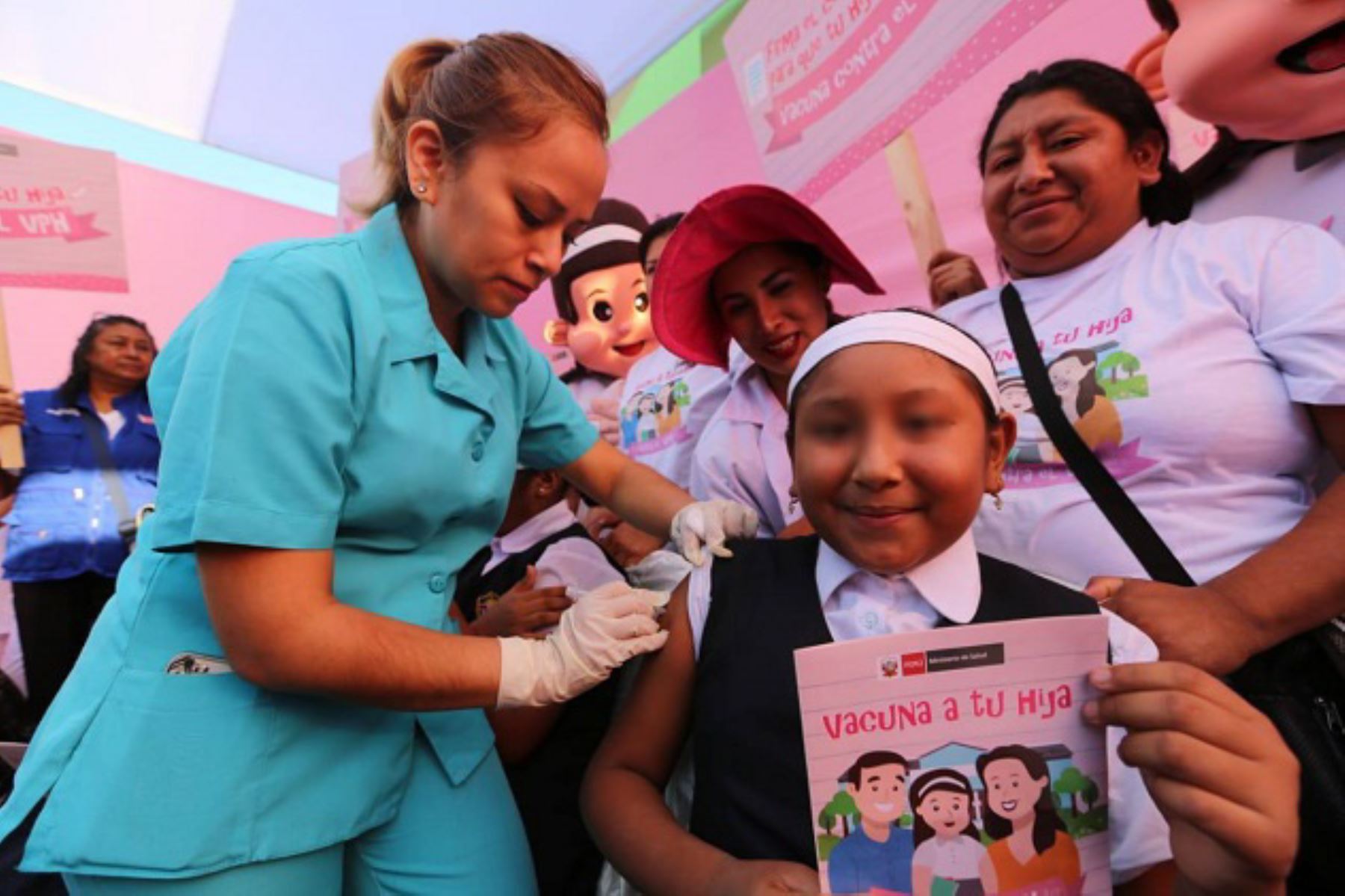
Communication interventions can impact how people think and feel about vaccination and can be used to address aspects or factors contributing to vaccine hesitancy. Understanding communication needs and gaps is especially important where the burden of cervical cancer and the need for implementation of human papillomavirus (HPV) vaccination are highest. This systematic scoping overview of reviews, commissioned to inform discussion at a meeting of stakeholders in the World Health Organization (WHO) Africa Region, therefore, focuses on low- and middle-income countries (LMICs), where more than 80% of those diagnosed with cervical cancer live.
The researchers conducted a systematic scoping overview of systematic reviews addressing a range of questions regarding communication around HPV vaccination. Twelve reviews, published between 2007 and 2018, were included in the overview. The number of included studies included in the reviews ranged from 5 to 79; the years of publication for studies included in the reviews ranged from 1996 to 2017. Nine reviews searched for studies from LMICs, but most found only a small number of studies from these countries.
As this was a scoping overview of reviews, the goal was not to synthesise the findings but, rather, to map the key concepts underpinning this research area and the main sources and types of evidence available. The available evidence from reviews could be organised into 2 groups:
- Assessments of the effectiveness of HPV vaccination communication interventions or strategies (4 reviews) - Nearly all of the interventions were intended to inform or educate, including written information fact sheets, house-to-house education, and radio. Other communication interventions intended to emind or recall and included reminder messages and education as well as DVD-based instructions with telephone reminders.
- Assessments of factors associated with vaccination uptake as part of stakeholders' views of HPV vaccination communication interventions or strategies, including communication-related factors such as whether the vaccine was recommended by a physician and people's knowledge regarding the vaccine, and factors affecting their implementation (e.g., HPV education, healthcare provider influence, and the perceived benefits of HPV vaccination) (8 reviews).
According to the researchers, the small number of studies identified from LMICs is of concern. For many reviews, there are likely to be differences in on-the-ground realities and constraints in LMICs that might alter the feasibility and acceptability of the intervention or raise questions about the applicability of the review findings. The scoping overview also found and excluded a number of reviews because of important methodological limitations, highlighting the need for future reviews to use appropriate methods.
The overview indicates areas in which further primary studies are needed on HPV vaccination communication in LMICs. There seem to be knowledge gaps, for example, in relation to educational interventions to increase HPV acceptance and studies of HPV vaccination for males. Future reviews could also focus on communication issues or problems identified by stakeholders, such as people's information needs and how they would like to receive that information, as well as the cost or cost-effectiveness of HPV vaccination communication interventions or strategies. These reviews may indicate areas in which further primary studies are needed on HPV vaccination communication in LMICs.
Systematic Reviews, vol. 8, no. 190 (2019) - sourced from an email from Simon Lewin to The Communication Initiative on August 2 2019. Image credit: Difusión
- Log in to post comments