










































Outside In - Inside Out. Creating Focus on the Patient - A Vaccine Company Perspective
GSK Vaccines
Online availability of information has enabled patients to move from being passive receivers of treatment to playing an active role in making informed healthcare decisions. The concept of patient centrality and engagement in health care is generating interest and action among a wide range of stakeholders, including pharmaceutical companies. The potential benefits of partnership with patients apply to companies that develop and distribute vaccines, such as GSK. This paper presents and discusses the conceptual framework behind GSK's Voice of the Patient initiative (VoP) and examines the impact of steps taken so far.
GSK's vaccines division (approximately 16,000 employees) developed VoP in 2014 to engage employees through an understanding that they are all themselves "vaccine patients" and that, through their work, they have an opportunity to make a difference to everyone's lives. In the context of prophylactic vaccination, the "patient" - i.e., the person who is being vaccinated - is most often a healthy person. Other people may play a part in, or be impacted by, an individual's decision to vaccinate or not. There is a sense, therefore, in which everybody is a "vaccine patient". The use of the term "patient" in the context of vaccination may not, however, be readily understood by employees of a vaccine manufacturer if they intuitively see "patients" as individuals seeking treatment.
In face-to-face interviews, 40 staff members were invited to identify barriers and enablers to patient focus in their work. The most frequently mentioned barrier was the distancing of employees from the patient's experience as a result of lack of direct contact with patients in daily work. Suggested enablers included sharing of patient testimonials and representing patients within the company through a culture of "speaking up for the patient" and understanding how work functions impact the patient. The interview feedback was used as a basis for a VoP charter.
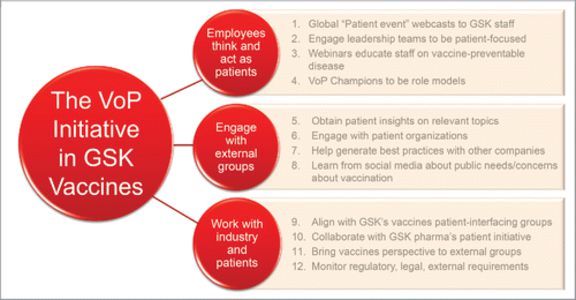
Figure 1 in the paper depicts VoP activities. To elaborate on a few:
- By the end of 2014, 122 staff members had volunteered to be "VoP Champions". These volunteers promote VoP within their departments through "patient conversations" integrated into existing meetings, supported by videos and slide sets. In 2016, VoP Champions initiated and held 31 sessions at which employees engaged in discussions on how their work impacts patients.
- Global VoP activities include broadcast panel discussions featuring experts and patients from within GSK and externally. Between 2016 and 2017, 23 live or online educational sessions were held on vaccine-preventable diseases (VPDs) in the context of patient focus, e.g., on vaccine hesitancy, reaching more than 2,500 employees.
- Twice-yearly "patient events" comprise a panel discussion between internal or external medical experts and a patient affected by a VPD. The events are shared with employees globally either on-site or via live webcast.
- The manufacturing department has sent small groups from its team to Chile and Thailand to meet healthcare professionals and patients. The visitors used social media and presentations to share their experiences overseas with their colleagues.
- GSK's vaccines publications team, which is accountable for the disclosure of results of clinical trials in peer-reviewed journals, has piloted a project involving the systematic production of a "Focus on the Patient" section to accompany manuscript submission, upon author input and approval. This is a brief text summarising, in an accessible way, the results of clinical relevance to healthcare professionals.
- A digest sharing published peer-reviewed research into patient engagement and media reports of patient-centric initiatives undertaken by other entities is available to all employees via an online workspace.
To assess the impact of the VoP initiative upon the company generally, a survey was sent to 2,652 employees of GSK's vaccines division. Analysis of the responses showed that 72% understand that the purpose of the VoP initiative at GSK is to think and act as a patient and for the patient. Sixty-five percent of respondents feel that GSK focus on patients has increased in the last 2 years; 90% say they know how their job impacts patients and that they demonstrate patient focus in their daily work; and 80% believe that the leaders at GSK Vaccines demonstrate patient focus at work. When asked for suggestions as to how the company could be more patient focused, the most frequent answer was to have more internal communication around the patient.
One of the key messages from the survey on VoP activities concerns the need to increase opportunities for involvement of larger numbers of employees who do not have a direct link with patients in order to bring them closer to the patient dimension (e.g., manufacturing). Alongside the VoP activities aiming to bring about change within the company, the newly established Patient Office will look outwards for opportunities for patient engagement, empowerment, and shared participation. Examples include identifying the elements needed for informed decisions on whether to participate in clinical trials and the development of lay summaries of clinical research results.
In conclusion, the authors contend that VoP is making a contribution by "promoting a culture in which patients are respected and involved at all levels, from research planning and design to the delivery of safer and improved products to meet end-user needs in line with the values of GSK - transparency, respect, integrity and patient focus. Further, it would be hoped that sharing the current strengths, limitations and planned developments of the VoP can contribute usefully to the evolution of partnership with patients in healthcare."
Human Vaccines & Immunotherapeutics, 14:6, 1509-1514, DOI: 10.1080/21645515.2018.1428510.
- Log in to post comments