










































The Missing Piece of the Puzzle: Getting from Vaccine Hesitancy to Acceptance
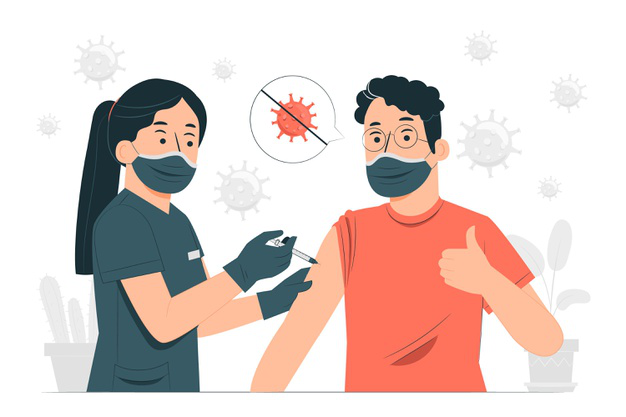
"To date, most efforts to combat vaccine hesitancy have been short-term or narrowly focused on a single vaccine. This hasn't paid off. The pandemic represents a tipping point when the world must finally invest and address vaccine hesitancy overall."
The success of the global COVID-19 vaccination effort requires widespread acceptance in the population and willingness to be vaccinated. However, in many countries around the world, fewer than 70% of the population plan to get themselves vaccinated, which is less than the threshold for herd immunity. From the Pandemic Action Network, this policy paper explores the issue of vaccine hesitancy - delay in acceptance or refusal of vaccines despite availability - in the context of the COVID-19 pandemic, offering a set of recommendations for a wide range of actors meant to ensure individuals can make decisions based on trustworthy and factual information.
After describing the value of vaccines and explaining how they work and are developed, the policy paper examines the threat of vaccine hesitancy, and its history. The survey data shared here underscores the point that vaccine hesitancy is complex, diverse, and context-specific. Due to this fact, research and experience indicates that "interventions must be tailored to specific populations, address community-specific concerns and misconceptions, take religious and philosophical beliefs into consideration, and identify locally trusted sources of information." The Pandemic Action Network cites the example of the oral polio vaccine (OPV) boycott in Northern Nigeria in 2003, where the power of the rumour that OPV causes sterility could only be fully appreciated in light of contextual circumstances unique to Northern Nigeria, such as socioeconomic marginalisation and religious and ethnic elements.
Despite the varied nature of vaccine hesitancy, some common factors seem particularly determinant in driving vaccine uptake or refusal:
- Trusted and vaccine-confident healthcare providers lead to improved uptake and confidence in vaccines.
- Exposure to conspiracy theories and general distrust in public authorities have fueled vaccine hesitancy.
- The spread of misinformation online is contributing to vaccine hesitancy.
- New factors are contributing to hesitancy toward COVID-19 vaccines, such as the speed of the vaccine development process and the politicisation of the crisis.
In light of the analysis presented, the policy paper outlines a series of recommendations; below are just two examples from each of the categories - see the report for the complete list(s):
- Governments should:
- Where appropriate, and with broad support, initiate an open and honest national conversation on the importance of vaccines, ensuring that broad segments of communities are given a voice and can express concerns and fears.
- Invest in communication systems, including digital platforms where possible, using research on how to talk to different audiences to deliver more effective, targeted messages - applying communication for development (C4D) strategies to achieve social and behavioural change with regard to vaccine confidence and acceptance.
- International health organisations should:
- Use the pandemic to initiate a global, integrated campaign that promotes a renewed understanding of the threat of infectious diseases to humanity and that presents immunisation as an act of global solidarity.
- Build capacity in low- and middle-income countries (LMICs) for vaccine hesitancy research, including polling, to understand the drivers of vaccine hesitancy in these settings.
- Social media platforms and search engines should:
- Stop people from sharing content labeled as false, redirect them to content from trusted sources debunking these false claims, and label content that has successfully passed independent fact-checks as trusted.
- Work with international and national health authorities on vaccine education campaigns, and train them to use their platforms to reach as many people as possible.
- Legislators and regulators should:
- Increase social media companies and their executives' accountability over the content shared on their platforms through the adoption of a regulatory framework.
- Until a new regulatory framework is put in place, use existing regulatory powers available to regulate the spread of misinformation on social media.
- Vaccine developers and manufacturers should:
- Support and invest in third-party vaccine education campaigns to communicate why vaccines in general, and current and future COVID-19 vaccines specifically, are safe and effective.
- Explain how vaccines are being developed in order to reassure the public that despite record-breaking development timelines, COVID-19 vaccines manufacturers are not compromising on safety and efficacy - while being transparent about any associated risks or side effects.
- Schools should:
- Educate staff, parents, and caregivers about the importance of immunisation to allow a safe return to in-person learning.
- Provide students with media literacy skills and education, including on how to identify misinformation online.
- Employers should:
- Educate themselves and employees about the importance of immunisation for the safe return to normal operations.
- Offer paid time off to their employees to get themselves or their children vaccinated.
- Community leaders, opinion leaders, civil society groups, and citizens should:
- Help flatten the infodemic curve by choosing not to share posts containing misinformation and by denouncing social media posts based on fake information.
- Work to form a broad movement of organisations and citizens from different walks of life to help provide information on vaccination programmes - mobilising champions and influencers as spokespeople.
As implied by these recommendations: "No one actor can address vaccine hesitancy alone. The challenge of vaccine hesitancy demands collective global action for vaccine confidence and acceptance. A global and connected effort that makes meaning of insights, drives the right messages to the right audiences, rapidly responds to misinformation, and rallies a diverse set of stakeholders to action on vaccine hesitancy is what the world needs today."
Pandemic Action Network news release, December 15 2020 - accessed on April 23 2021. Image credit: Freepik
- Log in to post comments