










































Multiple Cohort HPV Vaccination in Zimbabwe: 2018-2019 Program Feasibility, Awareness, and Acceptability among Health, Education, and Community Stakeholders
CDC Foundation (Garon); ZIMSTAT (Mukavhi, Brennan); World Health Organization, or WHO (Rupfutse); Centers for Disease Control and Prevention, or CDC (Garon, Bright, An, Loharikar); Zimbabwe Ministry of Health and Child Care (Manangazira)
"Lessons, best practices, and challenges from the community-level can inform the programmatic success of Zimbabwe's HPV vaccination program in the future."
Evidence suggests that low hesitancy and good uptake of the human papillomavirus (HPV) vaccine has been observed in resource-constrained settings, where the burden of cervical cancer is often high and screening and treatment capabilities are limited. Zimbabwe introduced HPV vaccine nationally in May 2018, reaching girls aged 10-14 years through a school-based vaccination campaign. This paper details a study of programme feasibility, of HPV and HPV vaccine knowledge, and of community and stakeholder acceptability in order to inform improvements to maintain community demand and improve vaccine uptake.
Cross-sectional surveys were administered during interviews with 56 health workers, 55 school health coordinators, 55 village health workers, and 55 community leaders in January and February 2020, after two HPV vaccination campaigns were completed in Zimbabwe, in May 2018 and May 2019.
The campaigns reached large numbers of eligible girls, with 751,367 doses delivered in the 2018 campaign and 801,887 doses delivered in the 2019 campaign. The HPV vaccine introduction was considered a success by national-level stakeholders due to political commitment, strong collaborations, and careful preparation.
Almost all interviewees affirmed that the HPV infection can cause cervical cancer, and nearly all health workers and school health coordinators identified HPV vaccination as the primary method of cervical cancer prevention. Less than 20% of the respondents felt that cervical cancer was "not a problem", and almost all respondents "strongly agreed" that the HPV vaccine is important for girls; over 90% of health workers, school health coordinators, and village health workers felt "very comfortable" recommending the HPV vaccine. Almost all village health workers (95%) and community leaders (82%) reported the HPV vaccine was "very accepted" in their community.
Most respondents reported that parents and caregivers were the primary decision-maker for girls' receipt of the HPV vaccine. Some (36%) school health coordinators also mentioned girls as being the primary decision-maker. Word-of-mouth communication via teachers, village health workers, community leaders, and health workers was identified by respondents as being the most effective at reaching caregivers and girls. Almost all (96% of health workers, 96% of school health coordinators, 84% of village health workers, and 84% of community leaders) respondents felt prepared to answer questions from the community about the HPV vaccine. Thirty-six percent of health workers, 47% of school health coordinators, 56% of village health workers, and 29% of community leaders reported hearing rumours about the HPV vaccine, such as: "HPV vaccine will affect a girl's fertility", "HPV vaccine is not safe", "HPV vaccine is experimental", and "HPV vaccine will cause severe side effects".
All school health coordinators felt the HPV vaccine should be delivered in schools in the future. However, several programmatic challenges were identified by the respondents overall, including inadequate social mobilisation activities or materials (28%), insufficient transportation of staff and supplies (26%), and inadequate training (18%). Most respondents (93% of health workers, 76% of school health coordinators, 62% of village health workers, and 85% of community leaders) reported having received written materials on HPV. However, 23% of health workers, 62% of school health coordinators, 49% of village health workers, and 51% of community leaders indicated they were not informed about the HPV vaccine target eligibility for 2020.
Reflecting on the findings, the researchers note overall high coverage for the HPV vaccination in Zimbabwe, suggesting that rumours have not negatively impacted vaccine uptake thus far. However, Zimbabwe should monitor these rumors and work to maintain community acceptability, as vaccine hesitancy and rumours have derailed HPV vaccination programmes in other countries. Continued training and sensitisation around rumour management, "as well as maintenance of a risk communication plan will be important in the coming years, especially as access to the internet, social media, and other information sources become more widespread in Zimbabwe."
Thus, the findings demonstrate the presence of highly knowledgeable staff at health facilities and schools, strong community acceptance, and a school-based HPV programme considered feasible to implement in Zimbabwe. These findings suggest that "school-based HPV vaccination in similar low-resource settings is possible, provided necessary funding is available. Moving forward, reaching out-of-school girls through engagement with the community health workers or by using other strategies will ensure equity in the HPV vaccination program in Zimbabwe."
In conclusion: "Continued social mobilization efforts to maintain community demand and training on eligibility were recommended. Integration, partnerships, and resource mobilization are also needed to ensure program sustainability."
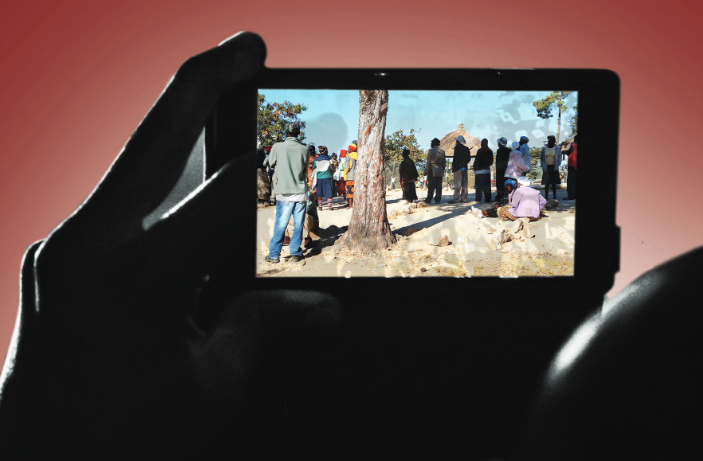
Vaccine, https://doi.org/10.1016/j.vaccine.2021.05.074. Image credit: Fidelis Manyange aka Manfidza via Wikimedia - licensed under the Creative Commons Attribution-Share Alike 4.0 International license)
- Log in to post comments