










































HIV-Related Knowledge, Attitudes, Behaviors, and Practices of Young People in Cross River State and Kogi State, Nigeria
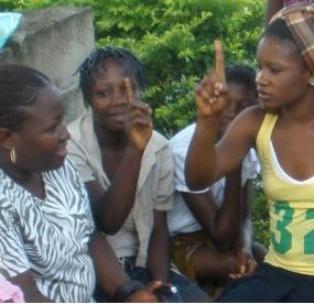
C-Change/Nigeria assessed and reported on the HIV-related knowledge, attitudes, beliefs, and practices (KAPB) of more than 1,200 youth ages 10–24 in Cross River State and Kogi State. Focus group discussions and in-depth interviews centred on youth lifestyles, risky behaviours, information, and misconceptions about HIV, media habits, and recall of youth-focused HIV prevention messages and programmes in the two states. The report makes note of risk factors that need to be addressed in communicating with youth about HIV and AIDS. This assessment comes from C-Change of FHI 360 and was funded by the United States Agency for international Development (USAID).
For this cross-sectional KAPB study, 14 focus group discussions (FGDs) were organised among three select groups of secondary, tertiary, and out-of-school youth, 7 with males and 7 with females. Individual in-depth interviews were also conducted with stakeholders in each state: policymakers, community opinion leaders, staff of USAID implementing partners, and school authorities. It found that respondents were generally knowledgeable about HIV transmission and prevention, but myths creating stigma persist. Respondents knew that getting an HIV test is the only way to determine a person’s HIV status, and they know where to go for a test. However, less than half of the respondents in Cross River and less than one third in Kogi have ever been tested. Many expressed fear that the test kits and testing processes might infect them with the HIV virus.
In addition to lack of engaging in HIV counselling and testing (HCT), the study found that youth rely on established media (radio, television, and newspapers) for health information. They were found to have good recall of overall health and HIV prevention and intervention programmes, but expressed concern about lack of youth perspectives in the design and implementation of these programmes.
The study indicates that though the results are not generalisable beyond young people in Cross River State and Kogi State, they confirm many facts that exist in other states and across the country. It includes the following communication-related recommendations:
- "...Increased and continuing SBCC [social behaviour change communication] campaigns [focusing on] young people should be launched in both states to convince them they are at high risk for HIV when they engage in unprotected sex, intergenerational sex, and multiple concurrent partnerships. Campaigns should emphasize the A and B of the ABC [abstinence, being faithful and using condoms] of HIV prevention. Evidence-based SBCC materials and tools need be used to effectively fill gaps in current behavior change interventions."
- "Youth SBCC interventions need to reach beyond urban areas and into rural communities in both states."
- "HIV prevention and SBCC interventions that [focus on] and resonate with students in tertiary institutions and out-of-school youth are needed. These messages must openly and honestly discuss issues that address the risks of unprotected sex, multiple and concurrent partnerships, and intergenerational and transactional sex....Most importantly, these groups must be engaged in the design and implementation of HIV prevention interventions that focus on their attitudes and behaviors."
- "An intensive SBCC campaign also needs to find ways to improve the ability of young women to say no to sex and negotiate condom use. Youth of both genders also must be convinced that condoms are accessible and effective and that condom use is a joint decision."
- "Radio and television, the most widely used media by youth in both states, should be consistently employed by SBCC campaigns to reach in-school as well as out-of-school youth."
- "An SBCC campaign needs to address stigma directed to PLHIV [people living with HIV/AIDS] and the barriers it presents to disclosure of serostatus and access to HCT services, care, and treatment."
- "HCT promotion also needs to debunk fears that an HIV test exposes clients to infection and that test results will not be kept confidential. Interventions need to be developed for healthcare workers that support these outcomes."
- "Public and private health facilities need to be made more youth-friendly to attract more clients from this age group."
- "In both states, opportunities should be taken to integrate HIV prevention messages for youth into seasonal and traditional festivals."
Interagency Youth Working Group (IYWG) Infonet newsletter, Sepetember 28 2011. Image: C-Change - A discussion group for out-of-school females in Ugep, Cross River State.
- Log in to post comments