










































Mobile Phone Diagnosis Approaches Field Trials
SciDev.Net
This news report highlights the fact that two devices that use modified mobile phone technology to diagnose disease have garnered funds for more research and field tests in developing countries. The "CelloPhone" and the "CellScope" - diagnostic imaging tools created from everyday camera phones - were winners of the Vodafone Americas Foundation Wireless Innovation Project prize, announced on April 8 2009.
CelloPhone works by interpreting the "shadows" of cells. CelloPhone loads samples of blood, urine, or other bodily fluids into a modified mobile phone. The images are captured using a special light source and the phone's camera, and then sent by multimedia message to a central station, from where a computer programme returns a diagnosis as a text message. The system could also record data for epidemiological studies. The device uses the phone's own electronics, so additional components would cost only around US$5-10 for each device. The CelloPhone team will use their share of the prize money to begin field trials later in 2009, using the existing networks of the University of California (UC), Los Angeles (in the United States) to test how accurately CelloPhone diagnoses diseases like malaria, HIV, and tuberculosis (TB) at large hospitals in Africa, South America, and South Asia.
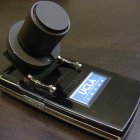
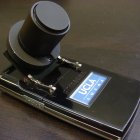
CellScope harnesses traditional optical microscopy, clipping a small microscope onto a camera phone, and then sending the captured image for diagnosis. The CellScope team, from UC, Berkeley, also intends to use their prize money to develop and test field-ready prototypes to diagnose malaria and TB.
Some celebrate these developments, pointing to the fact that rural medical clinics can ill-afford conventional microscopy or sending samples away for analysis. Furthermore, "the technologies are promising as mobile phone systems are so widespread in developing countries".
However, others quoted here stress that socioeconomic, cost control, and infrastructure issues may complicate progress. Challenges could surface in rolling out remote diagnosis in light of the fact that clinicians are accustomed to diagnosing patients in person; the devices must be field-tested against current "gold standards". One strategy proposed here is to ensure that researchers involve stakeholders at each step of the research process.
- Log in to post comments