










































OneVoice South Africa

OVSA works to raise awareness and prevent TB and HIV and other sexually transmitted infections through the following strategic approaches:
- designing and implementing age, gender, and culturally appropriate prevention programmes;
- combining education, information, and creative expression to engage young people;
- building involvement with parents/caregivers, families, peers, communities, schools, and workplaces;
- contributing to knowledge production through programme development by conducting high-quality monitoring and evaluation activities;
- raising public awareness by disseminating evidence and experience-based information to stakeholders; and
- creating a safe environment for young people’s voices to be heard.
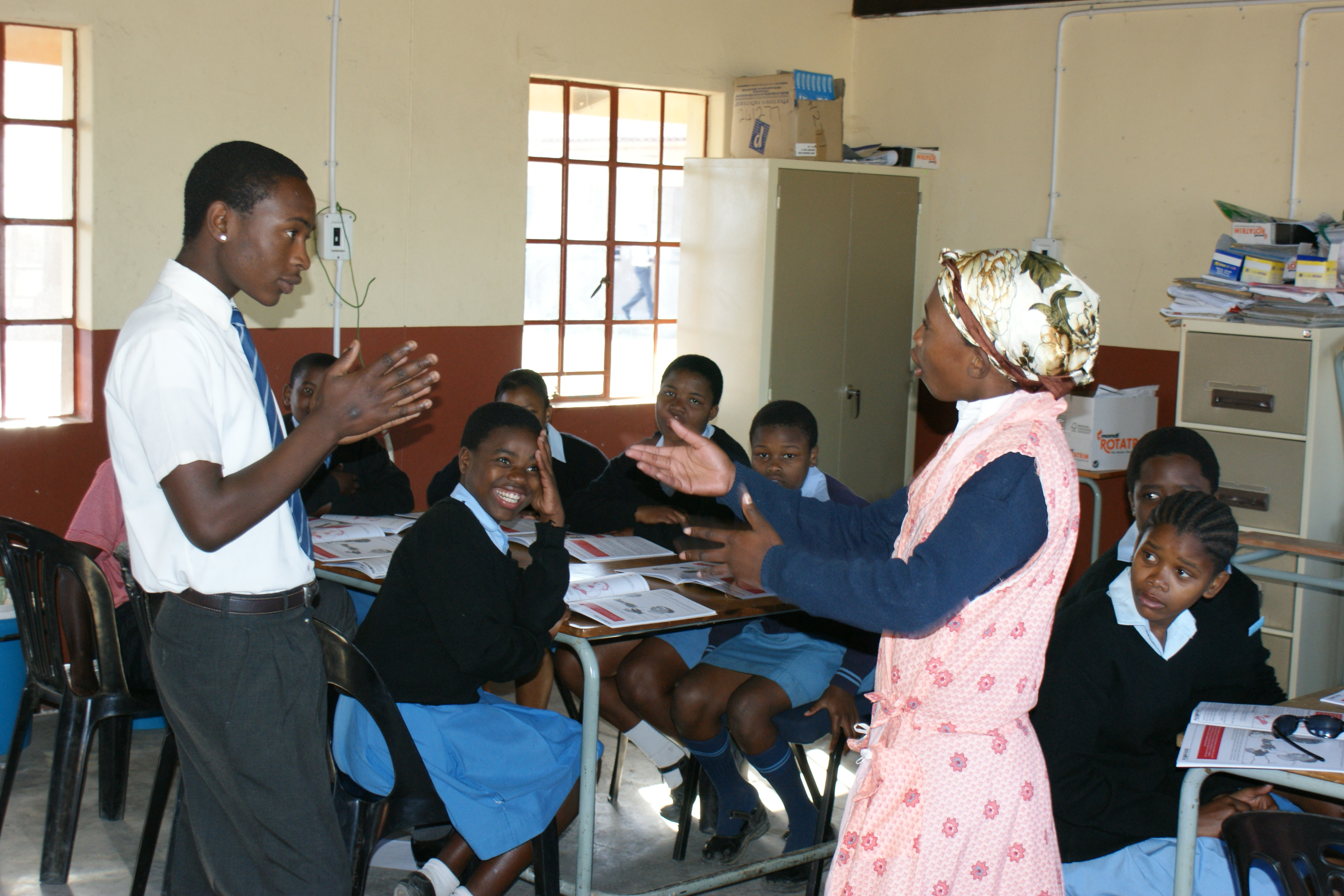
According to the organisers, the programme provides young people with a safe environment in which to address the current health issues which affect their day-to-day lives. The programme is presented to young people through an interactive series of 14 workshops in which young people learn more about life skills, gender roles, human rights, sexual and reproductive health, changes associated to puberty, healthy living, relationships, delaying sexual debut, as well as HIV and AIDS, and TB. Content also includes addressing issues around prevention, HIV/TB-related stigma, cross-generational relationships, and multiple concurrent partnerships.
OVSA's vision is designed to encourage learners to believe in their ability to positively influence their own futures and those of their loved ones, while forming part of the national HIV and TB response. The experience for young people is described by the organisation as a “high-energy, informative and connective experience” that provides young people with "skills on a range of sexual reproductive health issues, which they can apply to their lives on a daily basis. During, and at the end of the workshops, young people are encouraged to take action by planning, designing and developing an advocacy project related to what they learnt during the workshops. For example, writing a poem or a song, creating a dramatic play, becoming a volunteer, fundraising for a community project, or by simply spreading awareness within their school and/or community."
In the long term, OVSA intends to expand into other provinces and expand their programme scope to include more young people from different age groups. Furthermore, meaningful participation of young people will continue to be an integral part of the programme as illustrated by the Youth Advisory Board (YAB) in the Eastern Cape, which provides ongoing guidance and feedback on programme content. The OVSA Schools Programme, developed by role players and stakeholders (including educational experts, young people, parents/caregivers, and teachers), recognises the relationship between education and positive reproductive health behaviours. Supported with life skills tools and a platform to speak out, school learners actively engage on critical health issues. Their opinions and perceptions have provided the foundation to designing prevention programmes for young people.
Youth, HIV/AIDS, Tuberculosis, Reproductive Health and Rights, Gender.
According to OVSA, they are working with young people for the following reasons:
- most young people become sexually active between 13 and 24;
- most new infections are between 15 and 24, mainly among young women;
- young people’s minds are more receptive to creative and inclusive messaging; and
- young people are the future leaders and role models.
As of March 2012, this programme is reaching approximately 2,600 learners per year.
Interchurch Organisation for Development Co-operation (ICCO), Oxfam International through the Oxfam HIV and AIDS Program (OHAP), the D.G. Murray Trust and the Belgian Development Agency, South Africa Department of Education and Department of Health, Johns Hopkins Health and Education in South Africa (via United States Agency for International Development (USAID) and US President's Emergency Plan for AIDS Relief (PEPFAR), Children in Distress Network (CINDI), Caring Schools Network (CASNET), Mindset Health, DramAidE, Africaid’s WhizzKids United, Stop Aids Now!
Emails from Marlijn van Berne to The Communication Initiative on February 25 2009, November 30 2009, July 11 2011, February 2 2012, and March 30 2012; and a press release from OVSA on June 17 2011.
- Log in to post comments