










































Report on Study of Emerging Gender Issues among Women, Girls and Youth in Cambodia
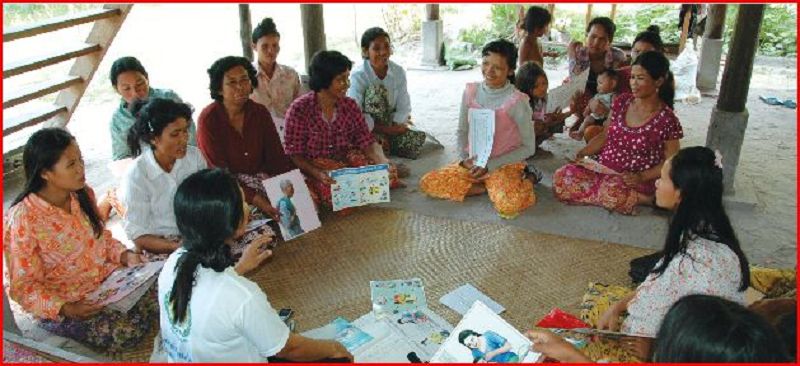
Launched during Plan International Cambodia's celebration on the inauguration of the International Day of the Girl, this report is an assessment of the current status of gender issues in Cambodia to identify emergency issues which need urgent intervention, with a special focus on those affecting young women and girls in terms of reproductive health, education, domestic violence, participation in local governance, and impact of natural disasters. Realising that a gender-equal society is one of the most important aspects of the development of Cambodia, the Ministry of Women's Affairs (MoWA) in collaboration with national and international organisations and development partners have made considerable efforts in order to promote the status of women in Cambodian society so that both men and women can equally participate in the development of the country and benefit from it.
The opening pages of the report feature specific facts and figures that emerged from the study. In short, the data show that, "[a]lthough steady progress has been made to improve the women's situation, the official statistics still show that women in Cambodia are not enjoying the same rights as men in every aspect of their lives." Later, key challenges and policy recommendations in each area of focus are outlined; selected communication-related elements include:
- In the area of gender and health, it is recommended that line ministries stengthen capacity of their staff related to health issues - for example, by setting up education and information in the form of, perhaps, communication campaigns as well as a centre for youth counselling related to gender, reproductive health, and HIV/AIDS at the commune/sankat level. Also highlighted is the importance of fostering an environment in which open conversations about sexual and reproductive health issues can flourish between mothers and their daughters and between elders and youth.
- In the area of gender and education: "There should be some positive behavioural change: how to make the community understand about the importance of girls' education including a respective change of their parent's attitude." Suggestions about specific policies related to the promotion of indigenous people's education, with a focus on girls - including the production of bilingual and indigenous educational materials - are provided.
- Noting that "[s]ome forms of violence against women are still widely accepted, justified and tolerated by women and men", the report recommends, for example, providing legal knowledge and capacity building on administrative orders to protect victims and facilitate reporting to the Commune Council for Women and Children (CWCC).
- In the area of women in decision-making, one of the challenges cited here is that both men and women "believe that women especially young women are less capable than male counterparts, less skilled and less suited to play a prominent role in politics and governance." Amongst the recommendations: introduce a programme for women and youth, with a focus on capacity development for leadership and management, gender mainstreaming, and monitoring skills.
- In the area of gender and disaster management, one suggestion is that "MoWA should develop projects/programmes on gender and climate change/Gender and Disaster management and provide some trainings to the Provincial Department of Women's Affairs and its staff to understand the risks and different impacts of climate change on women and men. Through the knowledge that they gain from the training, they will be able to support victims in case of a climate change-related natural disaster." Another recommendation is to integrate and increase the number of women participating in the National Disaster Risk Management and Climate Changes Committee.
Email from Nopporn Wong-Anan to The Communication Initiative on November 22 2012.
- Log in to post comments