










































Every Woman Every Child
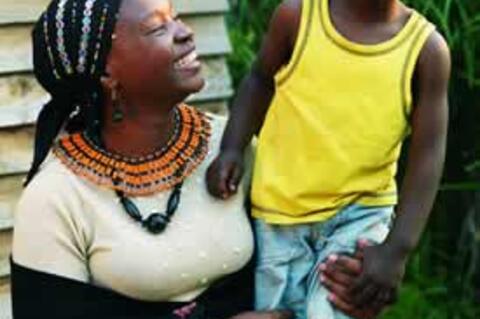
Launched by UN Secretary-General Ban Ki-moon during the United Nations Millennium Development Goals (MDGs) Summit in September 2010, Every Woman Every Child is a global advocacy campaign that aims to save the lives of 16 million women and children by 2015. It seeks to mobilise and intensify international and national action by governments, multilaterals, the private sector and civil society to address the major health challenges facing women and children around the world - such as by reducing under-5 mortality and infant mortality, maternal mortality, and mother-to-child transmission of HIV/AIDS, and by ensuring that more people are sleeping under a bed net and receiving immunisations.
This advocacy effort puts into action the Global Strategy for Women's and Children’s Health [PDF], which presents a roadmap on how to enhance financing, strengthen policy, and improve service on the ground for the most vulnerable women and children. Every Woman Every Child involves forging partnerships, such as amongst business sectors including information and communication technology (ICT)/mobile, media and communications, consumer goods, pharmaceuticals, diagnostics, healthcare delivery, and financial services. As an example of an activity carried out through the "commitments" garnered as part of the initiative, mobile health initiatives such as Cell-Life and the D-Tree are using SMS (text messaging) and mobile technology to help patients and health workers. To learn more and to access related resources, visit the Every Woman Every Child website
Maternal and Child Health.
According to organisers: "Women's and children's health is fundamental to our hopes for a more prosperous, peaceful and better future. Yet despite incredible advances in medical knowledge, millions of women and young children continue to die from diseases and conditions we know how to prevent and treat. Globally, over 21,000 children under five die every day and, every year, more than 350,000 women die from preventable complications related to pregnancy and birth."
The Every Woman Every Child effort brings together governments, philanthropic institutions and other funders, the United Nations and other multilateral organisations, civil society and non-governmental organisations, the business community, healthcare workers and professionals, and academic and research institutions from around the world.
Email from Lisa Russell to The Communication Initiative on September 19 2011; and Every Woman Every Child website, December 2 2011.
- Log in to post comments