










































A Guide for the Media on Communicating in Public Health Emergencies
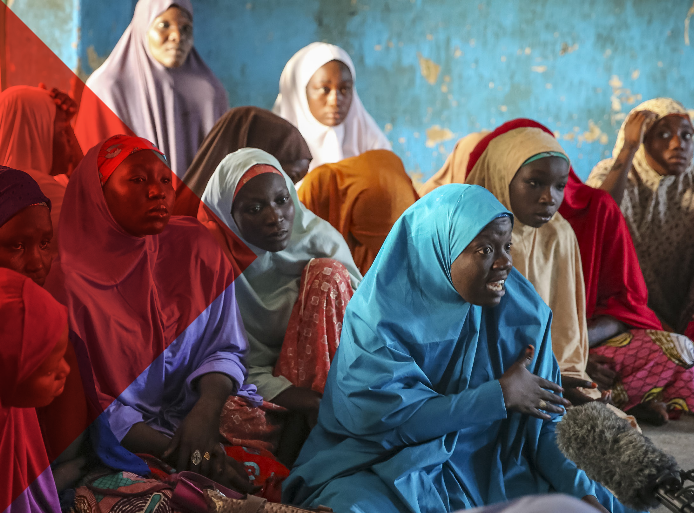
In a health crisis, effective communication can help to prevent or reduce the spread of disease, and guide those affected towards health services and treatment. Featuring case studies and links to various online resources, this manual provides tips for media practitioners on how to help audiences during health emergencies. It was created by BBC Media Action for the International Federation of Red Cross and Red Crescent Societies in the framework of the Community Epidemic and Pandemic Preparedness Programme.
Contents:
- Introduction to this guide
- How the media can make a difference
- What are public health emergencies?
- How to save lives: guidelines for communication
- Sources of further information
Section 4 provides many concrete suggestions for the media during health emergencies. Steps, in brief, include:
- Prepare.
- Do your research.
- Set goals - for example, reduce stigma towards people affected by health problems by helping audience members to: believe in the health facts rather than superstitions, and help to overcome taboos; feel empathy towards people affected by the emergency and understand what they are going through; and feel motivated to help those affected without causing further risks or harm.
- Coordinate.
- Offer practical, actionable information.
- Use trusted voices.
- Interact with audiences.
- Consider the most vulnerable people.
- Counter rumours.
- Communicate well - criteria described include: clear, accurate, trusted, consistent, solution-oriented, realistic, practical, empathetic, engaging, positive.
- Explore different formats.
- Ask the right people the right questions.
- Do no harm.
- Think of the bigger picture.
The manual can be read in conjunction with BBC Media Action's Lifeline Production Manual (see Related Summaries, below) which provides more general guidance on how to communicate with people affected by humanitarian crises in order to help save lives and reduce suffering.
32
IFRC website, November 14 2019. Image caption/credit: Women discuss polio immunisation during a Madubi Live Community Outreach event in Nigeria. Credit: BBC Media Action
- Log in to post comments